
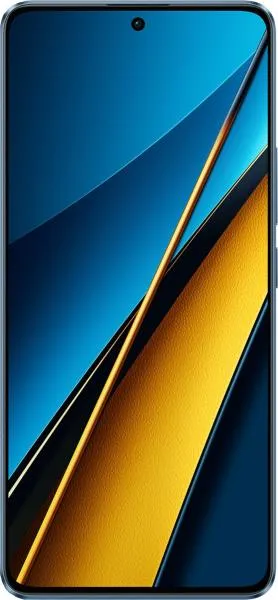
Let's dive into a comparative analysis of the Google Pixel 8 and the Xiaomi Poco X6, dissecting their specifications and uncovering what they truly offer users.
1. Specifications Breakdown
| Feature | Google Pixel 8 | Xiaomi Poco X6 | Real-World Implications |
|---|---|---|---|
| Design | |||
| Dimensions | 150.5x70.8x8.9mm | 161.2x74.3x8mm | Pixel 8 is noticeably smaller and slightly thicker. Poco X6's larger footprint might feel less pocketable for some. |
| Weight | 187g | 181g | Negligible weight difference; both feel substantial in hand. |
| Display | |||
| Size | 6.2" | 6.67" | Poco X6 offers a larger screen for more immersive media consumption. Pixel 8's smaller display promotes one-handed usability. |
| Type | OLED, 120Hz | AMOLED, 120Hz | Both offer smooth scrolling and vibrant colors. OLED generally boasts better blacks and power efficiency. |
| Peak Brightness | 2000 nits | 1800 nits | Pixel 8's superior peak brightness ensures better visibility in direct sunlight. |
| Resolution | 1080x2400 | 1220x2712 | Poco X6 boasts a sharper display due to higher resolution, though the difference might not be discernible to the naked eye at these screen sizes. |
| Performance | |||
| Chipset | Google Tensor G3 | Snapdragon 7s Gen 2 | Tensor G3 is Google's custom silicon, optimized for AI and machine learning tasks. Snapdragon 7s Gen 2 is a more conventional, widely used chip. |
| CPU | Nona-core | Octa-core | Core configuration differences are less crucial than real-world performance, which requires benchmarking. |
| GPU | Immortalis-G715s MC10 | Adreno 710 | Immortalis G715 MC10 is expected to deliver superior graphics performance compared to the Adreno 710 |
| RAM | 8GB | 12GB | Poco X6's larger RAM capacity allows for more apps to run in the background without reloading. |
| Storage | 256GB | 256/512GB | Poco X6 offers a 512GB option for users needing ample storage. |
| Battery Life | |||
| Capacity | 4575 mAh | 5100 mAh | Poco X6's larger battery suggests potentially longer battery life, though real-world usage varies significantly. |
2. Key Insights
- Performance: The Pixel 8, with its Tensor G3 chip, is likely to excel in AI-powered features, computational photography, and smooth overall performance. The Poco X6's Snapdragon 7s Gen 2, while capable, may not match the Tensor G3's specialized capabilities. The Poco X6 compensates with a significant 12GB of RAM, making multitasking smoother.
- Display: While both phones offer 120Hz refresh rates, the Pixel 8's brighter display (2000 nits peak) provides a clear advantage in outdoor visibility. The Poco X6 counters with a slightly sharper and larger display, better suited for media consumption.
- Software & Ecosystem: Pixel 8 runs on pure Android 14 with guaranteed updates, offering a clean and bloatware-free experience. The Poco X6 comes with MIUI, Xiaomi's custom Android skin, which offers additional features but may not appeal to everyone.
3. User Profiles and Recommendations
- Pixel 8: Ideal for users prioritizing a clean Android experience, frequent software updates, a compact form factor, and top-notch camera performance. Its AI capabilities are a bonus for those who utilize Google Assistant and other AI-driven features.
- Poco X6: Suited for users who value a large, sharp display for media consumption, extensive multitasking capabilities thanks to the 12GB RAM, and a potentially longer battery life. The more affordable price point also makes it attractive for budget-conscious buyers.
4. Buying Decision Framework
- Prioritize pure Android and compact size? Choose the Pixel 8.
- Need a large screen and extensive multitasking? Choose the Poco X6.
- Value a best-in-class camera and the latest Android features? Choose the Pixel 8.
My Choice: I would choose the Google Pixel 8. While the Poco X6 offers tempting features like a larger battery and more RAM, I prioritize the clean Android experience, guaranteed updates, compact form factor, and the superior camera performance expected from the Pixel line. The Tensor G3's AI capabilities also align with my interest in leveraging cutting-edge technology for enhanced productivity and user experience. I'm willing to compromise slightly on battery life and screen size for the overall package the Pixel 8 offers.
