
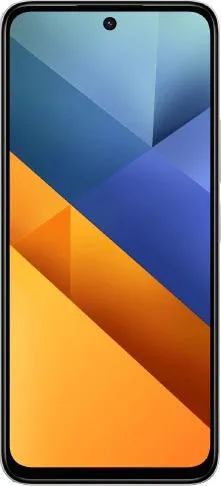
Google Pixel 8 vs. Xiaomi Poco M6 4G: A Deep Dive
Let's dissect the Google Pixel 8 and Xiaomi Poco M6 4G, two smartphones catering to different needs and budgets. We'll go beyond the spec sheet to understand what these differences mean for you.
1. Specifications Breakdown
| Feature | Google Pixel 8 | Xiaomi Poco M6 4G | Real-World Implications |
|---|---|---|---|
| Design | |||
| Dimensions | 150.5 x 70.8 x 8.9 mm | 168.6 x 76.3 x 8.3 mm | Pixel 8 is noticeably smaller and more pocketable. Poco M6 4G is larger, potentially better for media consumption. |
| Weight | 187g | 205g | Pixel 8 feels lighter in hand, reducing fatigue during extended use. |
| Display | |||
| Type | OLED, 120Hz, HDR10+ | IPS LCD, 90Hz | Pixel 8 offers deeper blacks, more vibrant colors, and smoother scrolling. Poco M6 4G has wider viewing angles. |
| Size | 6.2 inches | 6.79 inches | Poco M6 4G provides a larger screen for multimedia, Pixel 8 is more compact. |
| Resolution | 1080 x 2400 | 1080 x 2460 | Similar sharpness, but Pixel 8's OLED delivers superior contrast and clarity. |
| Peak Brightness | 2000 nits | 550 nits | Pixel 8's display remains visible even in direct sunlight, significantly brighter than the Poco M6 4G. |
| Performance | |||
| Chipset | Google Tensor G3 (4nm) | Mediatek Helio G91 Ultra (12nm) | Pixel 8 boasts significantly faster processing, smoother multitasking, and AI capabilities. |
| CPU | Nona-core (3.0 GHz Cortex-X3...) | Octa-core (2.0 GHz Cortex-A75...) | Pixel 8 handles demanding tasks with ease, while the Poco M6 4G is sufficient for everyday use. |
| GPU | Immortalis-G715s MC10 | Mali-G52 MC2 | Pixel 8 offers a substantial advantage in graphics performance, ideal for gaming and media editing. |
| RAM | 8GB | 8GB | Both phones offer ample RAM for smooth multitasking. |
| Storage | 256GB | 256GB | Both phones offer the same storage capacity. |
| Camera | Data Not Provided | Limited Data Provided | Insufficient data for in-depth camera comparison. Pixel traditionally excels in computational photography. |
| Battery Life | |||
| Capacity | 4575 mAh | 5030 mAh | Poco M6 4G has a larger battery, potentially lasting longer. Pixel 8's efficiency could offset this difference. |
2. Key Insights
The Pixel 8 excels in performance, display quality, and overall user experience, thanks to its powerful Tensor G3 chip and vibrant OLED screen. Its compact form factor adds to its premium feel. The Poco M6 4G prioritizes affordability and a large display. It's a capable device for everyday tasks, but its performance and display can't match the Pixel 8.
3. User Profiles and Recommendations
Pixel 8: Ideal for users who prioritize performance, a premium display, a compact design, and the latest Android features. Photographers and videographers will likely appreciate the advanced camera capabilities (though detailed specs weren't provided).
Poco M6 4G: Suitable for budget-conscious users who primarily use their phones for basic communication, social media, and light gaming. The large screen is a plus for media consumption.
4. Buying Decision Framework
- What is your budget? The Pixel 8 sits in a higher price bracket than the Poco M6 4G.
- What are your performance expectations? For demanding tasks and gaming, the Pixel 8 is the clear winner.
- Do you prioritize display quality or battery life? The Pixel 8 offers a superior display, while the Poco M6 4G likely offers longer battery life.
My Choice: Google Pixel 8
While the Poco M6 4G offers incredible value for its price, I would choose the Google Pixel 8. The superior processing power, stunning OLED display, and compact design are compelling. As someone who values a smooth user experience, responsiveness, and vibrant visuals, the Pixel 8 aligns perfectly with my needs. I'm willing to invest more for a device that delivers a noticeable uplift in daily use. Additionally, Google's commitment to timely software updates and AI-powered features further solidifies my decision. The Poco M6 4G is a strong contender in the budget segment, but the Pixel 8 offers a significant leap in overall quality and experience.
