
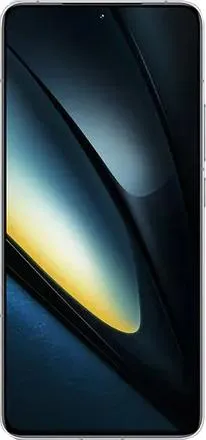
Google Pixel 8 vs. Xiaomi Poco F6 Pro: A Deep Dive
Let's dissect the Google Pixel 8 and the Xiaomi Poco F6 Pro, going beyond the spec sheet to understand what these phones offer in the real world.
1. Specifications Breakdown
| Feature | Google Pixel 8 | Xiaomi Poco F6 Pro | Real-World Implications |
|---|---|---|---|
| Design | |||
| Dimensions | 150.5x70.8x8.9mm | 160.9x75x8.2mm | Poco F6 Pro is noticeably larger; Pixel 8 is more pocketable. |
| Weight | 187g | 209g | Pixel 8 feels lighter and more comfortable for extended use. |
| Display | |||
| Size | 6.2" | 6.67" | Poco F6 Pro offers a larger screen for media consumption; Pixel 8 is more one-hand friendly. |
| Type | OLED, 120Hz | AMOLED, 120Hz | Both offer smooth scrolling and vibrant colors; AMOLED on Poco F6 Pro might have slightly deeper blacks. |
| Resolution | 1080 x 2400 | 1440 x 3200 | Poco F6 Pro boasts sharper visuals due to higher resolution. |
| Peak Brightness | 2000 nits | 4000 nits | Poco F6 Pro excels in outdoor visibility with significantly higher peak brightness. |
| Performance | |||
| Chipset | Google Tensor G3 | Snapdragon 8 Gen 2 | Snapdragon 8 Gen 2 generally benchmarks higher in raw performance, especially graphics. |
| CPU | Nona-core | Octa-core | Core configuration differences are less impactful than the architectural advantages of the 8 Gen 2. |
| GPU | Immortalis-G715s | Adreno 740 | Adreno 740 provides a more powerful gaming experience. |
| RAM | 8GB | 12/16GB | Poco F6 Pro offers more RAM for multitasking and demanding applications. |
| Storage | 256GB | 512GB/1TB | Poco F6 Pro provides significantly more storage. |
| Battery | |||
| Capacity | 4575 mAh | 5000 mAh | Poco F6 Pro likely offers longer battery life due to larger capacity and potentially better efficiency. |
| Software | |||
| OS | Android 14 | Android 14 | Both run the latest Android version; Pixel likely to receive faster and longer updates. |
2. Key Insights
Performance: The Poco F6 Pro, with its Snapdragon 8 Gen 2, is the clear performance champion. This translates to smoother gaming, faster app loading, and better handling of intensive tasks. The Pixel 8, while not a slouch, prioritizes AI and machine learning capabilities with its Tensor G3.
Display: Both phones offer excellent displays. The Poco F6 Pro wins in resolution and peak brightness, making it ideal for outdoor use and detail-oriented tasks. The Pixel 8's display, while smaller, is still incredibly vibrant and responsive.
Software and Updates: Pixel phones are known for their clean Android experience and timely updates. While the Poco F6 Pro also runs Android 14, the Pixel 8 is likely to receive faster and more consistent software and security updates directly from Google. The Tensor G3 also powers unique AI features exclusive to Pixel phones.
Size and Portability: The Pixel 8's smaller footprint makes it more comfortable for one-hand use and pocket portability. The Poco F6 Pro, while larger, provides a more immersive media experience.
3. User Profiles and Recommendations
Pixel 8: Ideal for users who prioritize a clean Android experience, timely updates, a compact form factor, and innovative AI features. Photographers will also appreciate Google's renowned camera processing.
Poco F6 Pro: Best suited for power users who demand top-tier performance for gaming, multitasking, and media consumption. The larger display and battery are also beneficial for extended use.
4. Buying Decision Framework
What is your budget and storage requirement? The Poco F6 Pro offers more storage options but might be priced slightly higher depending on the configuration.
Do you prioritize performance or software updates? Poco F6 Pro for performance; Pixel 8 for software updates and AI features.
What screen size and portability do you prefer? Pixel 8 for compact; Poco F6 Pro for immersive.
My Choice: The Google Pixel 8
While the Poco F6 Pro offers compelling specs, I'd choose the Google Pixel 8. My priorities are a smooth, uncluttered software experience with guaranteed timely updates, a compact and pocketable design, and the innovative AI features powered by the Tensor G3. I value the seamless integration with Google services and the promise of long-term software support. While the Poco F6 Pro boasts superior raw performance, my daily usage doesn't demand that level of power. I'm willing to trade some benchmark numbers for the refined experience and peace of mind that the Pixel 8 offers. The more manageable size and lighter weight also significantly contribute to my decision, as I prioritize comfort for everyday use.
