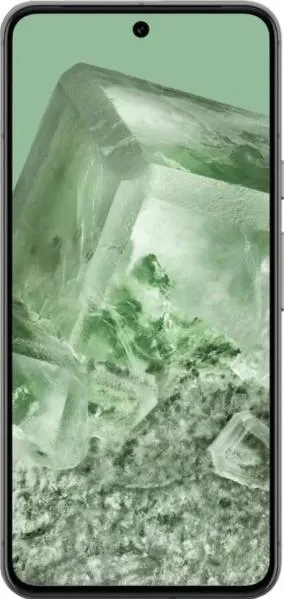
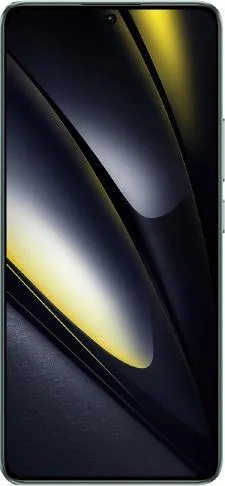
Let's dive into a comparative analysis of the Google Pixel 8 and the Xiaomi Poco F6, dissecting their specifications and uncovering what they truly offer users in the real world.
1. Specifications Breakdown
| Feature | Google Pixel 8 | Xiaomi Poco F6 | Real-World Implications |
|---|---|---|---|
| Design | |||
| Dimensions | 150.5 x 70.8 x 8.9 mm | 160.5 x 74.5 x 8 mm | Pixel 8 is noticeably smaller and slightly thicker; Poco F6 is larger and thinner. |
| Weight | 187g | 179g | Poco F6 is slightly lighter. |
| Display | |||
| Size | 6.2 inches | 6.67 inches | Poco F6 offers a larger screen for more immersive media consumption. |
| Type | OLED, 120Hz | AMOLED, 120Hz | Both offer smooth scrolling and vibrant colors; AMOLED on the Poco F6 might offer slightly deeper blacks. |
| Resolution | 1080 x 2400 | 1220 x 2712 | Poco F6 boasts a sharper display due to higher resolution and pixel density. |
| Peak Brightness | 2000 nits | 2400 nits | Poco F6 can get brighter, improving outdoor visibility. |
| Performance | |||
| Chipset | Google Tensor G3 | Snapdragon 8s Gen 3 | Both are powerful chips; Snapdragon benchmarks generally higher in raw performance, Tensor G3 excels in AI tasks. |
| CPU | Nona-core | Octa-core | Core configuration differences likely negligible for average users; both offer high performance. |
| GPU | Immortalis-G715s MC10 | Adreno 735 | Adreno 735 generally delivers strong gaming performance. Real-world GPU performance depends heavily on software optimization. |
| RAM | 8GB | 12GB | Poco F6 offers more RAM for smoother multitasking and potentially better performance with demanding apps. |
| Storage | 256GB | 512GB | Poco F6 offers significantly more storage. |
| Battery Life | |||
| Capacity | 4575 mAh | 5000 mAh | Poco F6 has a larger battery, potentially leading to longer battery life. |
| Other | |||
| OS | Android 14 | Android 14 | Both run the latest Android version. |
| Price Range | Medium | Medium | Similar price range indicates value-oriented offerings. |
2. Key Insights
- Performance: While benchmarks might favor the Snapdragon 8s Gen 3 in the Poco F6, the Tensor G3 in the Pixel 8 is optimized for AI and machine learning, potentially offering a smoother, more intuitive user experience, particularly within the Google ecosystem.
- Display: The Poco F6's larger, higher-resolution display with superior peak brightness offers a more immersive visual experience. The Pixel 8's OLED display, while smaller, still delivers vibrant colors and smooth 120Hz refresh rates.
- Battery: The Poco F6's larger 5000mAh battery likely translates to longer battery life. However, real-world battery performance depends on usage patterns and software optimization.
- Software Experience: The Pixel 8 offers a pure Android experience with faster updates directly from Google, often with unique AI-powered features. The Poco F6 has MIUI, Xiaomi's custom Android skin, which offers more customization options but might come with bloatware.
- Size and Build: The Pixel 8 is noticeably smaller and easier to handle one-handed, prioritizing portability. The Poco F6 is larger, catering to those who prefer a bigger screen for media consumption and gaming.
3. User Profiles and Recommendations
- Pixel 8: Ideal for users who value a compact, premium-feeling phone with a pure Android experience, timely updates, and innovative AI features. Photographers will also appreciate Google's renowned camera processing. Best for users embedded in the Google ecosystem.
- Poco F6: Suitable for users who prioritize performance, a large and vibrant display, ample storage, and long battery life. Gamers and heavy multimedia users will find the Poco F6 particularly appealing.
4. Buying Decision Framework
- What is your priority: pure Android or customization? Pixel 8 offers a clean, fast-updating Android experience, while Poco F6 allows for deeper customization with MIUI.
- How important is size and portability? The Pixel 8 is significantly more compact.
- What is your budget and storage needs? Consider the storage options and price differences when making your decision.
My Choice: As Alex Griffin, I would choose the Pixel 8. While the Poco F6 offers impressive specs on paper, I value the refined software experience, compact form factor, and consistent performance delivered by the Pixel line. The Tensor G3, despite not winning benchmark races, shines in real-world usage thanks to its AI capabilities. I prioritize seamless integration with Google services and the promise of timely updates. The slightly smaller battery is a trade-off I'm willing to make for a more pocketable device. Ultimately, the Pixel 8 aligns better with my personal preferences and priorities.
