
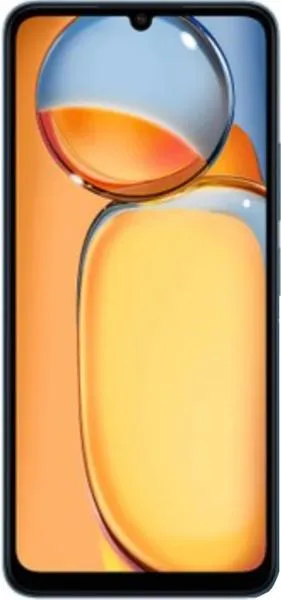
Google Pixel 8 vs. Xiaomi Poco C65: A Deep Dive
Let's dissect the Google Pixel 8 and the Xiaomi Poco C65, two smartphones targeting different segments of the market. My goal is to equip you with the knowledge to decide which phone best fits your needs.
1. Specifications Breakdown
| Feature | Google Pixel 8 | Xiaomi Poco C65 | Real-World Implications | |
|---|---|---|---|---|
| Design | ||||
| Dimensions | 150.5x70.8x8.9mm | 168x78x8.1mm | Pixel 8 is significantly more compact, easier for one-handed use and pocket portability. Poco C65 is larger, more cumbersome. | |
| Weight | 187g | 192g | Pixel 8 feels lighter in hand. | |
| Build Materials | Aluminum frame, Gorilla Glass Victus | Plastic frame | Pixel 8 offers a more premium feel and superior durability, better resisting scratches and drops. | |
| Display | ||||
| Display Type | OLED, 120Hz | IPS LCD, 90Hz | Pixel 8 delivers vibrant colors, deeper blacks, and smoother scrolling. Poco C65's LCD is less vibrant with limited viewing angles. | |
| Resolution | 1080x2400 | 720x1600 | Pixel 8's sharper display provides clearer text and images. | |
| Peak Brightness | 2000 nits | 600 nits (HBM) | Pixel 8 is vastly brighter, ensuring excellent outdoor visibility even in direct sunlight. | |
| Refresh Rate | 120 Hz | 90 Hz | Pixel 8 provides a smoother, more responsive user experience. | |
| Performance | ||||
| Chipset | Google Tensor G3 | Mediatek Helio G85 | Pixel 8 boasts significantly faster processing power, enabling seamless multitasking and demanding gaming. Poco C65 offers basic performance suitable for everyday tasks. | |
| CPU | Nona-core (3.0 GHz Cortex-X3...) | Octa-core (2.0 GHz Cortex-A75...) | Pixel 8's cutting edge CPU architecture ensures superior performance across all applications. The Poco C65 may struggle with demanding tasks. | |
| GPU | Immortalis-G715s MC10 | Mali-G52 MC2 | Pixel 8 offers much stronger graphics performance, crucial for smooth gaming and graphically intensive applications. | |
| RAM | 8GB | 8GB | Both phones offer sufficient RAM for multitasking, but the Pixel 8's superior processor will manage it more efficiently. | |
| Storage | 256GB | 256GB | Both phones offer ample storage. | |
| Camera | ||||
| Rear Camera | [Data Not Provided] | [Data Not Provided] | Insufficient data to compare. However, Pixel phones are renowned for their exceptional camera performance, leveraging Google's advanced image processing. | |
| Video | 4K@60fps, 1080p@240fps | 1080p@30fps | Pixel 8 offers significantly higher video resolution and frame rates, allowing for detailed and smooth video recording. | |
| Battery Life | ||||
| Battery Capacity | 4575 mAh | 5000 mAh | Poco C65 has a larger battery, but Pixel 8's more efficient processor may result in comparable real-world battery life. | |
| Charging | [Data Not Provided] | [Data Not Provided] | Insufficient data to compare charging speeds. |
2. Key Insights
The Pixel 8 is a clear flagship contender, offering a premium experience across the board. Its powerful Tensor G3 chip, stunning OLED display, and advanced camera capabilities position it in a different league than the Poco C65. The Poco C65, on the other hand, focuses on affordability, providing a large battery and ample storage for basic tasks.
3. User Profiles and Recommendations
Pixel 8: Ideal for users who prioritize performance, a premium display, a compact form factor, and cutting-edge camera technology. This includes professionals, content creators, gamers, and anyone seeking a top-tier smartphone experience.
Poco C65: Best suited for budget-conscious users who primarily use their phone for calling, texting, browsing, and light media consumption. Students, casual users, and those seeking a large-screen device without breaking the bank might find this appealing.
4. Buying Decision Framework
- What is your budget? The Pixel 8 falls in the medium price range, while the Poco C65 is a low-price option.
- What are your primary phone usage patterns? Heavy multitasking, gaming, and content creation demand the Pixel 8's power. Basic tasks can be easily handled by the Poco C65.
- Do you value a premium design and display? The Pixel 8 offers a more refined aesthetic and superior display quality.
My Choice: I would choose the Google Pixel 8. While significantly more expensive, the superior performance, stunning display, compact form factor, and expected excellent camera quality (based on Google's track record) outweigh the price difference for me. I prioritize a smooth, responsive user experience, excellent content consumption capabilities, and a device that can handle demanding tasks without breaking a sweat. The Poco C65, while offering great value for its price, simply doesn't meet my personal needs and preferences.
