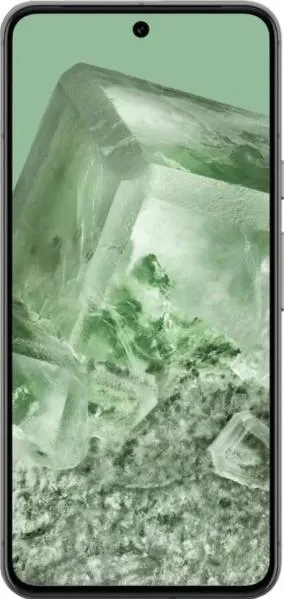
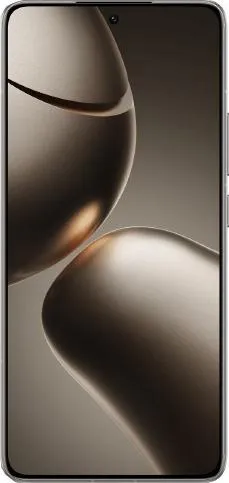
Google Pixel 8 vs. Xiaomi 14T Pro: A Deep Dive
Let's dissect the Google Pixel 8 and the Xiaomi 14T Pro, two compelling contenders in the mid-range smartphone arena. We'll go beyond the spec sheet to understand what these numbers mean for your daily life.
1. Specifications Breakdown
| Feature | Google Pixel 8 | Xiaomi 14T Pro | Real-World Implications |
|---|---|---|---|
| Design | |||
| Dimensions | 150.5x70.8x8.9mm | 160.4x75.1x8.4mm | Pixel 8 is noticeably smaller and potentially easier to handle one-handed. |
| Weight | 187g | 209g | Pixel 8 feels lighter in the pocket and during extended use. |
| Display | |||
| Size | 6.2" | 6.67" | 14T Pro offers a larger canvas for media consumption and multitasking. |
| Type | OLED, 120Hz | AMOLED, 144Hz | Both offer smooth scrolling and animations; 14T Pro's higher refresh rate might be subtly smoother. |
| Peak Brightness | 2000 nits | 4000 nits | 14T Pro boasts significantly higher peak brightness, ensuring excellent outdoor visibility. |
| Resolution | 1080x2400 | 1220x2712 | 14T Pro packs more pixels per inch (PPI), resulting in sharper text and images. |
| Performance | |||
| Chipset | Google Tensor G3 | Dimensity 9300+ | Both are powerful chips; real-world performance differences likely to be minimal in most tasks. |
| CPU | Nona-core | Octa-core | Core configuration differences are less crucial than overall chip optimization. |
| GPU | Immortalis-G715s MC10 | Immortalis-G720 MC12 | 14T Pro's GPU likely edges out in graphics-intensive tasks. |
| RAM | 8GB | 12GB | 14T Pro's extra RAM could provide better multitasking performance and app retention. |
| Storage | 256GB | 512GB | 14T Pro offers double the storage for apps, photos, and videos. |
| Battery | |||
| Capacity | 4575 mAh | 5000 mAh | 14T Pro's larger battery likely translates to longer usage time. |
| Camera | Not specified | Not specified | Detailed camera specs are missing, making a direct comparison impossible. |
2. Key Insights
- Size and Handling: The Pixel 8 prioritizes compactness and one-handed usability, while the 14T Pro offers a more immersive large-screen experience.
- Display Quality: Both excel, but the 14T Pro's superior brightness and resolution make it a winner for outdoor use and media consumption.
- Performance Powerhouse: While both phones pack a punch, the 14T Pro's extra RAM and potentially stronger GPU give it a slight edge for demanding tasks and multitasking.
- Battery Endurance: The 14T Pro's larger battery capacity suggests longer battery life, a crucial factor for power users.
3. User Profiles and Recommendations
- Pixel 8: Ideal for users who value a compact, lightweight phone with a smooth display and clean Android experience. Excellent for one-handed use and portability.
- Xiaomi 14T Pro: Suited for power users, gamers, and multimedia enthusiasts who demand a large, vibrant display, top-tier performance, and extended battery life.
4. Buying Decision Framework
- What screen size do you prefer? Compact and manageable or large and immersive?
- How important is battery life? If all-day endurance is crucial, the 14T Pro likely has the edge.
- What's your budget and storage needs? The 14T Pro offers double the storage but might come at a slightly higher price.
My Choice: As Alex Griffin, I'd lean towards the Xiaomi 14T Pro. While I appreciate the Pixel 8's compact form factor, the 14T Pro's combination of a stunning display, powerful performance (especially the extra RAM), larger battery, and ample storage aligns better with my workflow as a tech journalist. The ability to comfortably multitask, review high-resolution photos and videos, and rely on extended battery life is paramount. While camera performance remains an unknown variable, the 14T Pro's overall package is more compelling for my needs.
