
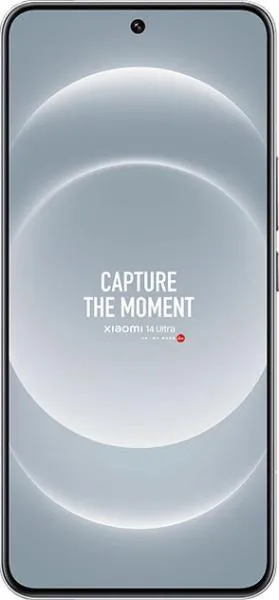
Google Pixel 8 vs. Xiaomi 14 Ultra: A Deep Dive
Let's dissect the Google Pixel 8 and the Xiaomi 14 Ultra, two powerful smartphones vying for your attention. We'll go beyond the spec sheet, translating the numbers into real-world experiences to help you decide which phone fits your lifestyle.
1. Specifications Breakdown
| Feature | Google Pixel 8 | Xiaomi 14 Ultra | Real-World Implications |
|---|---|---|---|
| Design | |||
| Dimensions | 150.5 x 70.8 x 8.9 mm | 161.4 x 75.3 x 9.2 mm | Pixel 8 is noticeably smaller and lighter, easier for one-handed use. |
| Weight | 187g | 229.5g | Xiaomi 14 Ultra's heft might be tiring for extended use. |
| Display | |||
| Size | 6.2" | 6.73" | Xiaomi offers a larger canvas for media consumption. |
| Type | OLED, 120Hz | LTPO AMOLED, 120Hz | Both offer smooth scrolling and vibrant colors. LTPO on Xiaomi allows for more granular refresh rate control, potentially saving battery. |
| Resolution | 1080 x 2400 | 1440 x 3200 | Xiaomi boasts sharper visuals due to higher pixel density. |
| Peak Brightness | 2000 nits | 3000 nits | Xiaomi will be significantly more readable in direct sunlight. |
| Performance | |||
| Chipset | Google Tensor G3 | Snapdragon 8 Gen 3 | Both are flagship chipsets, but Snapdragon generally benchmarks higher in raw performance. Tensor G3 prioritizes AI and machine learning tasks. |
| CPU | Nona-core | Octa-core | Core configuration differences are less impactful than overall chipset performance and optimization. |
| GPU | Immortalis-G715s MC10 | Adreno 750 | Adreno 750 typically delivers stronger gaming performance. |
| RAM | 8GB | 16GB | Xiaomi's doubled RAM allows for more aggressive multitasking and smoother performance with demanding apps. |
| Storage | 256GB | 512GB | Xiaomi offers double the storage for media hoarders. |
| Battery Life | |||
| Capacity | 4575 mAh | 5000 mAh | Xiaomi likely offers longer battery life due to larger capacity. Real-world usage will vary. |
2. Key Insights
Pixel 8: Focuses on a refined software experience, leveraging the Tensor G3 for AI-powered features, computational photography, and smooth performance in everyday tasks. Its compact size and lighter weight make it ideal for one-handed use.
Xiaomi 14 Ultra: Prioritizes raw power and cutting-edge hardware, boasting a larger, brighter display, significantly more RAM, and a larger battery. It's geared towards users who demand top-tier performance and multimedia capabilities.
3. User Profiles and Recommendations
Pixel 8: Best suited for users who value a clean Android experience, seamless integration with Google services, excellent camera performance, and a compact form factor. Ideal for those who prioritize software over sheer hardware specifications.
Xiaomi 14 Ultra: A compelling choice for power users, gamers, and multimedia enthusiasts who crave the best possible performance, a stunning display, and extended battery life. The extra RAM and storage are ideal for demanding workflows and large media libraries.
4. Buying Decision Framework
- What is your budget? While both are in the "medium price" range, the Xiaomi 14 Ultra will likely be positioned at the higher end.
- What is your priority: software experience or raw performance? The Pixel excels in the former, while the Xiaomi dominates the latter.
- How important is portability and one-handed use? The Pixel 8's smaller size makes it significantly more pocketable.
My Choice:
Personally, I'd lean towards the Pixel 8. While the Xiaomi 14 Ultra boasts impressive hardware, my workflow prioritizes a seamless software experience, excellent camera performance, and a compact form factor. The Pixel's integration with Google services, AI-powered features, and clean Android experience align more closely with my needs. The Xiaomi's extra power, while appealing, wouldn't be fully utilized in my daily usage and comes at the cost of increased size and weight, which I find less appealing. Furthermore, the Tensor G3's focus on AI and machine learning intrigues me from a technological perspective, and I appreciate Google's commitment to software innovation.
