
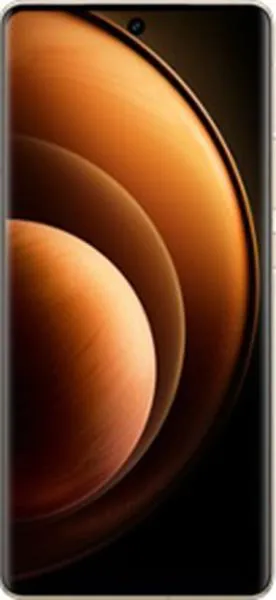
Let's dive into a comparative analysis of the Google Pixel 8 and the vivo X100, dissecting their specifications and translating them into real-world implications for you.
1. Specifications Breakdown
| Feature | Google Pixel 8 | vivo X100 | Real-World Implications |
|---|---|---|---|
| Design | |||
| Dimensions | 150.5 x 70.8 x 8.9 mm | 164.1 x 75.2 x 8.5 mm | Pixel 8 is noticeably smaller and might be more comfortable for one-handed use. X100 is larger, potentially offering a more immersive media experience but less pocketable. |
| Weight | 187g | 202g | Pixel 8 feels lighter in hand, reducing fatigue during extended use. |
| Display | |||
| Size | 6.2 inches | 6.78 inches | X100 provides a larger canvas for media consumption and multitasking. |
| Type | OLED, 120Hz | LTPO AMOLED, 120Hz | Both offer smooth scrolling and animations thanks to the 120Hz refresh rate. LTPO on the X100 allows for dynamic refresh rate adjustment, potentially saving battery. |
| Resolution | 1080 x 2400 | 1260 x 2800 | X100 boasts a sharper display with higher pixel density (452 ppi vs 428 ppi). |
| Peak Brightness | 2000 nits | 3000 nits | X100 should offer superior outdoor visibility in direct sunlight. |
| Performance | |||
| Chipset | Google Tensor G3 | Mediatek Dimensity 9300 | Both are powerful 4nm chips, but real-world performance will depend on optimization. Tensor G3 is known for its AI capabilities. Dimensity 9300 is expected to excel in raw processing power. |
| CPU | Nona-core | Octa-core | Core configuration differences are less significant than overall chip architecture and optimization for user experience. |
| GPU | Immortalis-G715s MC10 | Immortalis-G720 MC12 | X100 likely has a slight edge in graphics performance based on the GPU. |
| RAM | 8GB | 16GB | X100's 16GB RAM enables more aggressive multitasking and smoother performance with demanding applications. |
| Storage | 256GB | 256GB/512GB | X100 offers a 512GB option for users needing more storage space. |
| Battery Life | |||
| Capacity | 4575 mAh | 5000 mAh | X100 has a larger battery, potentially translating to longer usage time. However, real-world battery life depends on various factors including software optimization and display usage. |
| Other | |||
| OS | Android 14 | Android 14 | Both run the latest Android version, offering similar base software experiences. |
| USB | USB Type-C 3.2 | USB Type-C 2.0 | Pixel 8 offers faster data transfer speeds. |
2. Key Insights
- Performance: Both phones promise flagship-level performance, but the vivo X100, with its Dimensity 9300 and 16GB RAM, likely holds a slight edge in raw power and multitasking capabilities. The Pixel 8 leverages the Tensor G3 for AI-driven features and optimized performance within the Google ecosystem.
- Display: The vivo X100 impresses with a larger, sharper, and brighter display. Its LTPO panel dynamically adjusts the refresh rate, potentially conserving battery. The Pixel 8's display, while smaller, is still high-quality with vibrant colors and a smooth 120Hz refresh rate.
- Battery: The vivo X100 boasts a larger battery capacity, suggesting longer endurance. Real-world battery life will depend on usage patterns and software optimization.
- Software: Both devices run on Android 14, but the Pixel 8 will likely receive faster and longer software updates directly from Google. Vivo's update schedule might be less consistent.
- Size and Design: The Pixel 8 is significantly smaller and lighter, making it more pocketable and comfortable for one-handed use. The X100 prioritizes a larger display for immersive content consumption.
3. User Profiles and Recommendations
- Pixel 8: Ideal for users who value a compact and lightweight phone with a clean Android experience, timely software updates, and strong camera performance. Its AI-powered features and seamless integration with Google services are significant advantages.
- vivo X100: Best suited for users who prioritize a large, vibrant display, top-tier performance, ample RAM for heavy multitasking, and a longer-lasting battery.
4. Buying Decision Framework
- Prioritize compactness and software updates? Choose the Pixel 8.
- Need the largest, brightest display and maximum performance? Opt for the vivo X100.
- Value a balance of size, performance, and features? Consider your individual needs and preferences more closely, as both phones offer compelling features.
My Choice: I would personally choose the Pixel 8. While the vivo X100 boasts impressive specs on paper, especially the display and RAM, I prioritize the Pixel's more compact form factor, cleaner software experience with guaranteed updates, and the tight integration with the Google ecosystem. The Tensor G3, while perhaps not as powerful in benchmarks, excels in AI tasks and real-world performance optimization, which aligns with my usage patterns. I also value the faster USB standard for data transfer. The slightly smaller battery is a trade-off I'm willing to make for the overall package the Pixel 8 offers.
