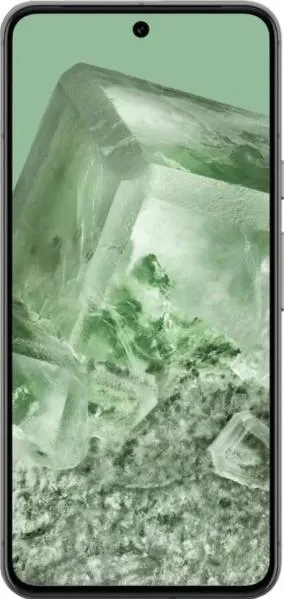
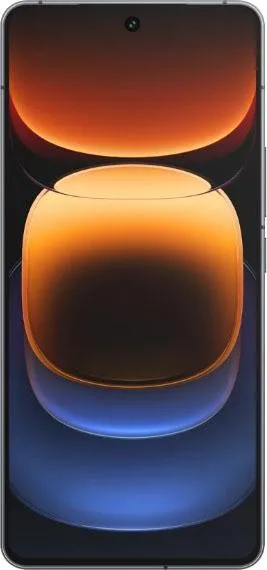
Google Pixel 8 vs. vivo iQOO 12: A Deep Dive
Let's dissect the Google Pixel 8 and the vivo iQOO 12, two intriguing contenders in the mid-range smartphone arena. We'll go beyond the spec sheet to uncover what these numbers truly mean for your daily life.
1. Specifications Breakdown
| Feature | Google Pixel 8 | vivo iQOO 12 | Real-World Implications |
|---|---|---|---|
| Design | |||
| Dimensions | 150.5 x 70.8 x 8.9 mm | 163.2 x 75.9 x 8.1 mm | Pixel 8: More compact, pocket-friendly. iQOO 12: Larger footprint. |
| Weight | 187g | 198.5g | Pixel 8: Noticeably lighter, reducing hand fatigue. |
| Display | |||
| Size | 6.2" | 6.78" | iQOO 12: More immersive for media consumption, gaming. Pixel 8: Easier one-handed use. |
| Type | OLED, 120Hz | LTPO AMOLED, 144Hz | Both offer smooth scrolling; iQOO 12 potentially more power efficient due to LTPO. Higher refresh rate might be noticeable in fast-paced games. |
| Resolution | 1080 x 2400 | 1260 x 2800 | iQOO 12: Sharper image quality due to higher resolution. |
| Peak Brightness | 2000 nits | 3000 nits | iQOO 12: Significantly brighter, enhancing outdoor visibility. |
| Performance | |||
| Chipset | Google Tensor G3 | Snapdragon 8 Gen 3 | iQOO 12: Expected to deliver superior raw performance in benchmarks and demanding tasks. Tensor G3: Optimized for AI and machine learning tasks, potentially offering a smoother user experience. |
| CPU | Nona-core | Octa-core | iQOO 12: Likely faster multi-core performance. Real-world differences might be subtle for average users. |
| GPU | Immortalis-G715s MC10 | Adreno 750 | iQOO 12: Expected to have a stronger GPU, benefiting gaming and graphics-intensive applications. |
| RAM | 8GB | 16GB | iQOO 12: Double the RAM, allowing for more efficient multitasking and smoother performance with numerous apps open. |
| Storage | 256GB | 512GB/1TB | iQOO 12: Offers significantly more storage for apps, photos, and videos. |
| Battery Life | |||
| Capacity | 4575 mAh | 5000 mAh | iQOO 12: Larger battery capacity suggests longer lasting battery life. Real-world usage will depend on software optimization and individual use patterns. |
| Camera | Pixel's historically strong computational photography capabilities are not reflected in the provided specifications, making a direct comparison incomplete. | ||
| Video Capabilities | Up to 4K@60fps, 1080p@240fps | Up to 8K@30fps, 1080p@240fps | Both offer a wide range of video recording options; iQOO 12 boasts 8K recording, though practical usage might be limited due to large file sizes. |
2. Key Insights
- Performance Powerhouse: The iQOO 12, with its Snapdragon 8 Gen 3 and ample RAM, is geared towards demanding users who prioritize raw power and speed. Expect top-tier gaming performance and seamless multitasking.
- Pixel's AI Prowess: While the Pixel 8 might not win in benchmark comparisons, the Tensor G3 chip excels in AI-driven tasks. This translates to features like enhanced photography, real-time translation, and a generally more intuitive user experience. Google's software optimization historically shines on Pixel devices.
- Display Differences: The iQOO 12 offers a larger, sharper, and brighter display, ideal for media consumption and gaming. However, the Pixel 8's smaller size might be preferred by users who value one-handed usability.
3. User Profiles and Recommendations
- Pixel 8: Best suited for users who prioritize a smooth, intuitive user experience, excellent camera performance (assuming Pixel's traditional strength in this area), and a compact form factor. Ideal for everyday tasks, photography enthusiasts, and those embedded in the Google ecosystem.
- iQOO 12: A great choice for power users, mobile gamers, and those who demand top-tier performance. The larger display and battery are also beneficial for media consumption and extended usage.
4. Buying Decision Framework
- What are your primary smartphone needs? (e.g., photography, gaming, productivity, general use)
- How important is battery life and screen size?
- What is your budget and what do you value most in a smartphone experience? (e.g., raw performance, software features, ease of use)
My Choice: The Google Pixel 8
While the iQOO 12 boasts impressive hardware, I'd choose the Google Pixel 8. My decision hinges on several factors: First, I prioritize a seamless and intuitive software experience, which Google consistently delivers on its Pixel devices. Second, the Pixel's historically superior camera performance, likely driven by the Tensor G3's AI capabilities (though not fully reflected in the provided specs), is a major draw for me. Finally, I prefer a more compact phone for easier one-handed use. The Pixel 8 strikes a balance between performance, user experience, and portability that aligns perfectly with my needs. The iQOO 12's raw power is tempting, but the Pixel's overall package is more compelling for my personal use case.
