
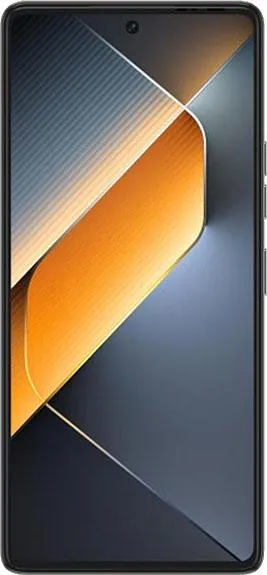
Let's dive into a comparative analysis of the Google Pixel 8 and the Tecno Pova 6 Pro, dissecting their specifications and uncovering what they truly offer users.
1. Specifications Breakdown
| Feature | Google Pixel 8 | Tecno Pova 6 Pro | Real-World Implications |
|---|---|---|---|
| Design | |||
| Dimensions | 150.5 x 70.8 x 8.9 mm | 165.5 x 76.1 x 7.9 mm | Pixel 8 is noticeably more compact, potentially easier for one-handed use. Pova 6 Pro is larger, slimmer. |
| Weight | 187g | 198g | Pixel 8 is lighter, contributing to better handling. |
| Display | |||
| Size | 6.2 inches | 6.78 inches | Pova 6 Pro offers a larger screen for more immersive media consumption. |
| Type | OLED, 120Hz | AMOLED, 120Hz | Both offer smooth scrolling and vibrant colors. OLED generally has better blacks and power efficiency. |
| Peak Brightness | 2000 nits | 1300 nits | Pixel 8's display will be significantly brighter in direct sunlight. |
| Resolution | 1080 x 2400 | 1080 x 2436 | Virtually identical pixel density; sharpness will be comparable. |
| Performance | |||
| Chipset | Google Tensor G3 (4nm) | Mediatek Dimensity 6080 (6nm) | Tensor G3, being newer and on a smaller node, is expected to offer significantly better performance and efficiency. |
| CPU | Nona-core | Octa-core | Tensor G3's architecture, including a powerful Cortex-X3 core, suggests a substantial performance advantage. |
| GPU | Immortalis-G715s MC10 | Mali-G57 MC2 | Immortalis-G715s MC10 should provide a much smoother gaming and graphics-intensive application experience. |
| RAM | 8GB | 12GB | More RAM in Pova 6 Pro allows for more apps to be held in memory, potentially reducing reloading. |
| Storage | 256GB | 256GB | Storage capacity is identical. |
| Camera (Partial) | |||
| Video Capabilities | Up to 4K@240fps | Up to 1440p@30fps | Pixel 8 offers significantly superior video recording capabilities, including higher resolution and frame rates, along with OIS/EIS. |
| Battery Life | |||
| Capacity | 4575 mAh | 6000 mAh | Pova 6 Pro has a much larger battery, likely translating into longer usage time. |
2. Key Insights
- Performance: The Pixel 8, powered by the Google Tensor G3, is expected to deliver a significantly smoother and faster experience compared to the Pova 6 Pro. This advantage extends to demanding tasks, gaming, and overall responsiveness.
- Display: While both phones offer 120Hz refresh rates, the Pixel 8's OLED display with a peak brightness of 2000 nits stands out. This means superior visibility outdoors and a more vibrant visual experience.
- Camera: While comprehensive camera specs aren't provided, the Pixel 8's superior video capabilities indicate a likely advantage in overall camera performance, especially given Google's renowned computational photography prowess.
- Battery Life: The Pova 6 Pro's massive 6000 mAh battery likely offers longer usage on a single charge. This is a significant advantage for users who prioritize all-day battery life.
- Software: Pixel phones receive faster and more consistent software updates directly from Google, ensuring access to the latest features and security patches.
3. User Profiles and Recommendations
- Pixel 8: Ideal for users who prioritize performance, a premium display, a compact form factor, consistent software updates, and expect a top-tier camera experience. Best suited for power users, photographers, and those who value a smooth and responsive user experience.
- Tecno Pova 6 Pro: A good option for users who primarily value long battery life and a large screen for media consumption. Its generous RAM is beneficial for multitasking, but users should be aware of the performance limitations compared to the Pixel 8. Suitable for budget-conscious users and those who prioritize battery endurance above all else.
4. Buying Decision Framework
- What is your budget and what do you prioritize most in a smartphone? If budget is tight and battery life is paramount, the Pova 6 Pro might be appealing. If you're willing to invest more for a smoother, more powerful, and feature-rich experience, the Pixel 8 is the better choice.
- How important is camera quality to you? If photography and videography are crucial, the Pixel 8's advanced capabilities likely make it the clear winner.
- Do you prefer a compact phone or a larger display? The Pixel 8 is significantly smaller and easier to handle, while the Pova 6 Pro offers a more immersive viewing experience.
My Choice: Google Pixel 8
While the Tecno Pova 6 Pro boasts a larger battery and more RAM, the Pixel 8's superior processor, brighter and higher-quality display, expected camera performance, compact form factor, and the promise of timely software updates make it the compelling choice for me. I prioritize a smooth, responsive user experience, a vibrant display, and the confidence of having the latest software and security patches. The Pixel 8's overall package aligns more closely with my needs and preferences, even with the trade-off of slightly shorter battery life. The performance gap between the Tensor G3 and the Dimensity 6080 is significant enough to sway me towards the Pixel 8, as it directly impacts daily usability and long-term satisfaction.
