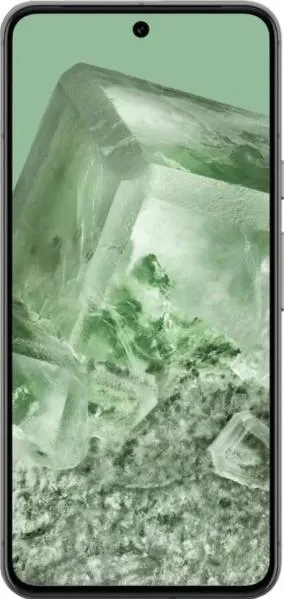
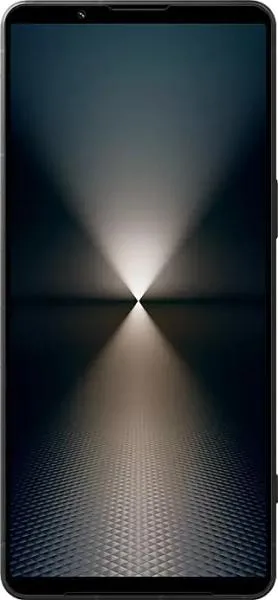
Let's dive into a comparative analysis of the Google Pixel 8 and the Sony Xperia 1 VI, dissecting their specifications and uncovering what they truly offer users.
1. Specifications Breakdown
| Feature | Google Pixel 8 | Sony Xperia 1 VI | Real-World Implications |
|---|---|---|---|
| Design | |||
| Dimensions | 150.5x70.8x8.9mm | 162x74x8.2mm | Xperia 1 VI is taller and thinner, Pixel 8 is slightly wider and heavier |
| Weight | 187g | 192g | Xperia is noticeably taller, but both should feel manageable in hand. |
| Display | |||
| Size | 6.2" | 6.5" | Xperia offers a larger viewing area. |
| Type | OLED, 120Hz | LTPO OLED, 120Hz | Both offer smooth scrolling and animations; LTPO can be more power efficient |
| Resolution | 1080x2400 | 1080x2340 | Similar sharpness; Xperia has a slightly taller aspect ratio. |
| Peak Brightness | 2000 nits | N/A | Pixel 8 excels in direct sunlight readability. |
| Performance | |||
| Chipset | Google Tensor G3 | Snapdragon 8 Gen 3 | Both are flagship chipsets, but 8 Gen 3 likely has a performance edge. |
| CPU | Nona-core | Octa-core | Core configuration differences may impact sustained performance. |
| RAM | 8GB | 12GB | Xperia's larger RAM enables better multitasking. |
| Storage | 256GB | 512GB | Xperia offers significantly more storage. |
| Battery Life | |||
| Capacity | 4575 mAh | 5000 mAh | Xperia likely offers longer battery life due to larger capacity. |
2. Key Insights
- Performance: While both phones boast powerful processors, the Snapdragon 8 Gen 3 in the Xperia 1 VI likely edges out the Tensor G3 in raw performance, particularly in graphically demanding tasks. The Xperia also benefits from a larger RAM capacity, enhancing multitasking capabilities.
- Display: Both feature 120Hz OLED displays for smooth visuals. However, the Pixel 8's significantly higher peak brightness ensures superior outdoor visibility. The Xperia 1 VI utilizes LTPO technology, potentially leading to better power efficiency.
- Battery: The Xperia 1 VI packs a larger battery, promising longer usage between charges.
- Software: Pixel phones typically receive faster and longer software updates directly from Google, while Sony's update track record has been less consistent.
- Camera: Specifications for the camera aren't provided, but historically, both brands have unique strengths. Pixel excels in computational photography, while Sony leverages its Alpha camera expertise.
3. User Profiles and Recommendations
- Pixel 8: Ideal for users prioritizing a clean Android experience, timely software updates, a bright display, and Google's AI-powered features. Excellent for photography enthusiasts who value ease of use and consistent results.
- Xperia 1 VI: Best suited for power users demanding top-tier performance, extensive storage, and a larger display for media consumption and multitasking. Also a strong contender for creative professionals who appreciate Sony's focus on video capabilities and manual controls.
4. Buying Decision Framework
- What is your budget and storage needs? The Xperia 1 VI commands a higher price due to its superior specs and storage.
- Do you prioritize pure performance or a polished software experience? The Xperia offers a performance edge, while the Pixel provides a cleaner, faster-updating Android experience.
- What are your primary use cases? The Xperia caters to power users and media consumption, while the Pixel excels in everyday tasks and photography.
My Choice: As a tech journalist who values both performance and software experience, I would lean towards the Pixel 8. While the Xperia 1 VI boasts impressive hardware, the Pixel's cleaner Android experience, guaranteed updates, and exceptional camera (assuming it maintains the Pixel standard) are more aligned with my priorities. The compact form factor and vibrant display also appeal to me. However, if I were a mobile gamer or someone heavily reliant on local storage, the Xperia's superior performance and 512GB storage would be compelling. Ultimately, both are excellent devices, and the best choice hinges on individual needs and preferences.
