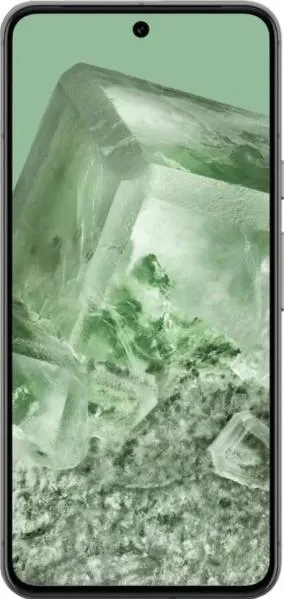
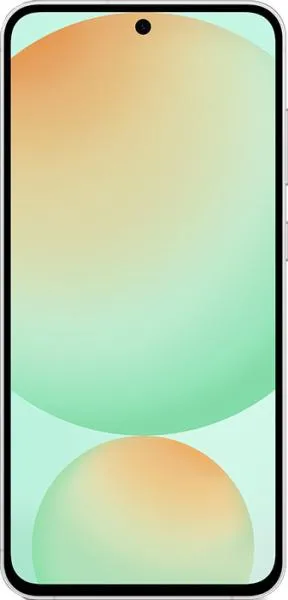
Let's dive into a comparative analysis of the Google Pixel 8 and the Samsung Galaxy S24 FE, dissecting their specifications and translating them into real-world implications for you.
1. Specifications Breakdown
| Feature | Google Pixel 8 | Samsung Galaxy S24 FE | Real-World Implications |
|---|---|---|---|
| Design | |||
| Dimensions | 150.5 x 70.8 x 8.9mm | 162 x 77.3 x 8mm | Pixel 8 is noticeably smaller and potentially more pocketable; S24 FE offers a larger canvas for content. |
| Weight | 187g | 213g | Pixel 8 is lighter, reducing hand fatigue during extended use. |
| Display | |||
| Size | 6.2" | 6.7" | S24 FE provides a more immersive viewing experience for media consumption. |
| Type | OLED, 120Hz | Dynamic AMOLED 2X, 120Hz | Both offer smooth scrolling and vibrant colors; AMOLED generally boasts deeper blacks and higher contrast. |
| Peak Brightness | 2000 nits | 1900 nits | Pixel 8 might offer slightly better visibility in direct sunlight. |
| Resolution | 1080 x 2400 | 1080 x 2340 | Pixel 8 has a slightly higher pixel density, but both are sharp enough for everyday use. |
| Performance | |||
| Chipset | Google Tensor G3 | Exynos 2400e | Tensor G3 is known for AI-powered features; Exynos 2400e aims for raw performance. |
| CPU | Nona-core | Deca-core | More cores on Exynos could theoretically handle multitasking better, real-world performance is key. |
| GPU | Immortalis-G715s MC10 | Xclipse 940 | Both GPUs should handle demanding games, benchmarks will reveal true differences. |
| RAM | 8GB | 8GB | Both offer ample RAM for smooth multitasking. |
| Storage | 256GB | 256/512GB | S24 FE offers a 512GB option for users needing more storage space. |
| Battery | |||
| Capacity | 4575 mAh | 4700 mAh | S24 FE has a slightly larger battery, potentially leading to longer battery life. |
| Other | |||
| OS | Android 14 | Android 14 | Both run the latest Android version, though Pixel likely offers faster updates. |
2. Key Insights
The Pixel 8 prioritizes a compact, lightweight design and leverages Google's Tensor G3 chip for AI-driven features. Its brighter display might be preferable for outdoor use. The S24 FE counters with a larger display, potentially longer battery life due to its higher capacity, and the Exynos 2400e which promises strong performance, especially in multitasking scenarios thanks to its Deca-core CPU. However, real-world benchmarks will be needed to confirm this.
3. User Profiles and Recommendations
Pixel 8: Best for users who value a compact phone with a clean Android experience, fast updates, and innovative AI features. Its superior brightness makes it ideal for outdoor enthusiasts.
S24 FE: Suited for those who prioritize a larger screen for media consumption, potentially longer battery life, and potentially stronger multi-core performance for demanding tasks. The extra storage option (512GB) caters to power users.
4. Buying Decision Framework
- What size phone do you prefer? Compact and pocketable (Pixel 8) or larger for immersive media (S24 FE)?
- How important is pure Android and fast updates? Pixel offers a stock experience and quicker updates.
- Do you prioritize AI features or raw performance and potential for larger storage? Tensor G3 excels in AI; Exynos 2400e aims for strong performance with a 512GB option available.
My Choice: Google Pixel 8
While the S24 FE boasts a larger display and battery, I'd personally choose the Pixel 8. The compact form factor appeals to me, and I highly value the clean Android experience with guaranteed fast updates. Google's focus on AI-powered features aligns with my interest in innovative technology. I find that in practice, optimized software often trumps raw specifications, and the Tensor G3's AI capabilities generally lead to a more refined and intuitive user experience. The slightly brighter display is a bonus for outdoor use. While battery life is important, I'm willing to trade a slight reduction in capacity for the Pixel's overall package. Finally, the slightly lower weight would make a noticeable difference in comfort during extended use.
