Google Pixel 8 vs. Samsung Galaxy A25: A Deep Dive for the Discerning User
The mid-range smartphone arena is heating up, with the Google Pixel 8 and Samsung Galaxy A25 vying for your attention. Both offer compelling features, but their strengths cater to different needs. Let's dissect these devices, translating technical jargon into real-world implications to help you make the right choice.
1. Specifications Breakdown
| Feature | Google Pixel 8 | Samsung Galaxy A25 | Real-World Implications |
|---|---|---|---|
| Design | |||
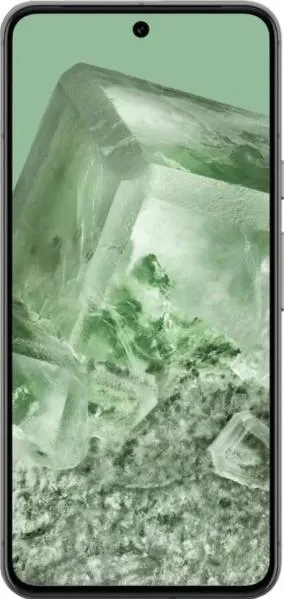
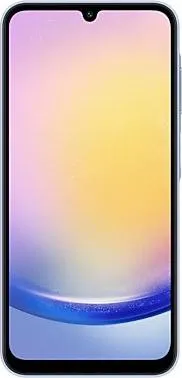
| Dimensions | 150.5 x 70.8 x 8.9 mm | 161 x 76.5 x 8.3 mm | Pixel 8 is noticeably more compact and pocketable. A25 is taller and wider. |
| Weight | 187g | 197g | Pixel 8 feels lighter in hand, reducing fatigue during extended use. |
| Build | Glass front/back, aluminum frame | Plastic frame | Pixel 8 offers a more premium feel and potentially better durability. |
| Display | |||
| Size | 6.2" | 6.5" | A25 provides a larger viewing area for media consumption; Pixel 8 prioritizes one-handed usability. |
| Type | OLED, 120Hz, HDR10+ | Super AMOLED, 120Hz | Both offer vibrant colors and smooth scrolling, but Pixel 8's HDR10+ support delivers superior dynamic range in compatible content. |
| Peak Brightness | 2000 nits | 1000 nits (HBM) | Pixel 8's screen is significantly brighter, ensuring excellent visibility even in direct sunlight. |
| Resolution | 1080 x 2400 | 1080 x 2340 | Pixel 8 has a slightly higher pixel density (428 ppi vs 396 ppi), resulting in crisper text and images. Difference is negligible in daily use. |
| Performance | |||
| Chipset | Google Tensor G3 (4nm) | Exynos 1280 (5nm) | Tensor G3 is expected to offer superior performance and AI capabilities, particularly in tasks like image processing and voice recognition. |
| CPU | Octa-core (1x3.0 GHz Cortex-X3 & 4x2.45 GHz Cortex-A715 & 4x2.15 GHz Cortex-A510) | Octa-core (2x2.4 GHz Cortex-A78 & 6x2.0 GHz Cortex-A55) | Pixel 8's more modern CPU architecture and higher clock speeds translate to faster app loading, smoother multitasking, and better gaming performance. |
| GPU | Immortalis-G715s MC10 | Mali-G68 | Pixel 8's GPU is expected to deliver significantly better graphics performance for demanding games and applications. |
| RAM | 8GB | 8GB | Both offer ample RAM for smooth multitasking. |
| Storage | 256GB | 256GB | Both offer the same storage capacity. |
| Battery | |||
| Capacity | 4575 mAh | 5000 mAh | A25 boasts a larger battery, potentially offering longer battery life. However, real-world usage will depend on software optimization and individual usage patterns. |
| Other | |||
| OS | Android 14 | Android 14 | Both run the latest Android version, but Pixel phones generally receive faster and longer software updates. |
| Charging | Not specified | Not Specified | A key factor missing from the provided data. Fast charging capabilities can significantly impact daily usage. |
| Camera | Not specified | Not Specified | Camera performance is a crucial factor for many users. This missing information hinders a complete comparison. |
2. Key Insights
The Pixel 8 clearly prioritizes performance and a premium user experience. Its more powerful Tensor G3 chip, brighter display, and more compact design position it as a flagship-lite device.
The Galaxy A25, on the other hand, emphasizes battery life and affordability. Its larger battery and lower price point make it appealing to users seeking all-day endurance without breaking the bank.
3. User Profiles and Recommendations
Pixel 8: Best suited for users who value performance, a premium design, a compact form factor, and a smooth, responsive user experience. Ideal for power users, gamers, and photography enthusiasts (assuming its camera lives up to the Pixel legacy).
Galaxy A25: Best for users who prioritize battery life, affordability, and a larger screen for media consumption. Suitable for casual users, students, and those who need a phone that can last all day on a single charge.
4. Buying Decision Framework
- What matters most: performance or battery life? If you need a powerful phone for demanding tasks, the Pixel 8 is the clear winner. If all-day battery life is paramount, the A25's larger battery capacity is more appealing.
- What's your budget? The A25 is likely to be more affordable, making it a better value proposition for budget-conscious buyers.
- Do you prefer a compact or larger phone? The Pixel 8's smaller size makes it easier to handle and pocket, while the A25 offers a larger screen for media consumption.
My Choice: I would choose the Pixel 8. While battery life is important, I prioritize performance, a refined user experience, and the promise of timely software updates. The Tensor G3's AI capabilities, the brighter, higher-quality display, and the more pocketable design align better with my usage patterns and preferences. I'm willing to invest in the superior performance and software experience that the Pixel 8 offers. The lack of camera specifications prevents a truly informed decision, but historically, Pixel phones have excelled in this area, further reinforcing my choice.
