
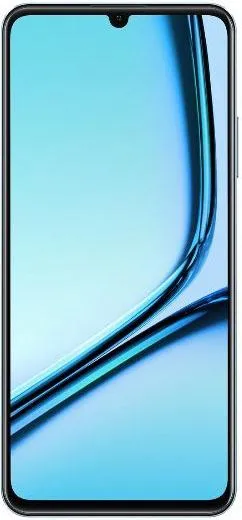
Google Pixel 8 vs. Realme Note 50: A Deep Dive
Let's dissect the Google Pixel 8 and Realme Note 50, translating their specs into real-world experiences to help you decide which phone fits your needs.
1. Specifications Breakdown
| Feature | Google Pixel 8 | Realme Note 50 | Real-World Implications |
|---|---|---|---|
| Design | |||
| Dimensions | 150.5x70.8x8.9mm | 167.2x76.7x8mm | Pixel 8 is noticeably smaller and slightly thicker; Note 50 is taller and wider. |
| Weight | 187g | 186g | Negligible weight difference; both feel substantial in hand. |
| Build Materials | N/A | N/A | Build quality and in-hand feel can't be assessed from specs alone. |
| Display | |||
| Display Type | OLED, 120Hz | IPS LCD, 90Hz | Pixel 8's OLED offers richer colors, deeper blacks, and smoother scrolling due to the higher refresh rate. |
| Resolution | 1080x2400 | 720x1600 | Pixel 8 boasts sharper visuals due to higher pixel density (428 ppi vs 260 ppi). |
| Peak Brightness | 2000 nits | 560 nits | Pixel 8's display is significantly brighter, ensuring excellent outdoor visibility. |
| Performance | |||
| Chipset | Google Tensor G3 | Unisoc Tiger T612 | Pixel 8's Tensor G3 promises significantly faster processing and AI capabilities. |
| CPU | Nona-core | Octa-core | Core configuration suggests Pixel 8 will handle demanding tasks more efficiently. |
| GPU | Immortalis-G715s MC10 | Mali-G57 | Pixel 8 will likely offer a superior gaming and graphics-intensive app experience. |
| RAM | 8GB | 4GB | Pixel 8's larger RAM enables smoother multitasking and app switching. |
| Storage | 256GB | 128GB | Pixel 8 offers double the storage. |
| Camera | |||
| Video Capabilities | 4K@60fps, etc. | 1080p@30fps | Pixel 8 offers vastly superior video recording capabilities with higher resolution and frame rates. |
| Battery Life | |||
| Battery Capacity | 4575 mAh | 5000 mAh | Note 50 has a slightly larger battery, but real-world battery life depends on optimization. |
| Other | |||
| OS | Android 14 | Android 13 | Pixel 8 runs the latest Android version with potential new features and longer software support. |
| NFC | Yes | No | Pixel 8 supports contactless payments and data transfer. |
| USB | USB Type-C 3.2 | USB Type-C 2.0 | Pixel 8 offers faster data transfer speeds. |
2. Key Insights
The Pixel 8 clearly outperforms the Realme Note 50 in almost every category. Its strengths lie in its vibrant display, powerful processor, advanced camera capabilities, and the latest Android software. The Tensor G3 chip should offer a noticeably smoother and more responsive experience, especially in demanding tasks and AI-powered features.
The Realme Note 50's primary advantage is its larger battery capacity and potentially lower price point (indicated by "low price" vs. "medium price"). However, its lower resolution display, less powerful processor, and older Android version position it as a budget-friendly device with compromises.
3. User Profiles and Recommendations
Pixel 8: Ideal for users who prioritize performance, a premium display, excellent camera capabilities, and the latest software features. Photographers, videographers, gamers, and power users will appreciate its capabilities.
Realme Note 50: Suitable for budget-conscious users who primarily use their phones for basic tasks like calling, texting, browsing, and social media. Its larger battery might appeal to users who need extended battery life.
4. Buying Decision Framework
- What is your budget? If price is a major constraint, the Realme Note 50 might be the more affordable option.
- What are your primary phone usage patterns? For demanding tasks and multimedia consumption, the Pixel 8 is superior. For basic usage, the Note 50 might suffice.
- How important are software updates and new features? The Pixel 8, running the latest Android version, will receive longer software support and access to newer features.
My Choice: Google Pixel 8
If I were choosing between these two phones, I would opt for the Google Pixel 8 without hesitation. While potentially more expensive, the Pixel 8 offers a significantly better overall experience. The superior display, powerful processor, advanced camera, and the latest Android software are crucial for my workflow as a tech journalist. The faster data transfer speeds and NFC capability also align with my needs for productivity and convenience. The Realme Note 50, while offering a larger battery, simply doesn't match the Pixel 8's comprehensive capabilities and future-proofing through software updates. The difference in user experience would be substantial enough to justify the price difference for me.
