
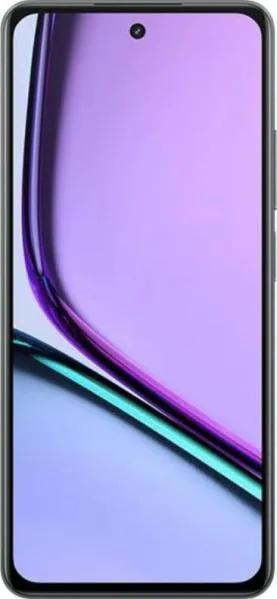
Google Pixel 8 vs. Realme C67: A Deep Dive for the Discerning User
The smartphone market offers a dizzying array of choices, and navigating this landscape requires a keen eye for detail and a solid understanding of what truly matters. Today, we'll dissect two intriguing contenders: the Google Pixel 8 and the Realme C67. While both occupy the "medium price" range, their underlying technologies and user experiences diverge significantly. Let's delve in.
1. Specifications Breakdown
| Feature | Google Pixel 8 | Realme C67 | Real-World Implications |
|---|---|---|---|
| Design | |||
| Dimensions | 150.5x70.8x8.9mm | 165.7x76x7.9mm | Pixel 8 is noticeably more compact, potentially easier for one-handed use. C67 is larger, thinner. |
| Weight | 187g | 190g | Negligible weight difference in practical use. |
| Build Materials | Glass/Aluminum | Plastic | Pixel 8 offers a more premium feel and potentially better durability. |
| Display | |||
| Size | 6.2" | 6.72" | C67 provides a larger viewing area for media consumption; Pixel 8 prioritizes portability. |
| Type | OLED, 120Hz | IPS LCD, 120Hz | Pixel 8's OLED offers deeper blacks, vibrant colors, and superior contrast. |
| Peak Brightness | 2000 nits | 680 nits | Pixel 8's display will be significantly brighter and more visible in direct sunlight. |
| Resolution | 1080x2400 | 1080x2400 | Comparable sharpness despite the size difference due to similar pixel density. |
| Performance | |||
| Chipset | Google Tensor G3 | Mediatek Dimensity 6100+ | Tensor G3 is expected to deliver significantly better AI performance and overall speed. |
| CPU | Nona-core | Octa-core | Core count isn't everything; Tensor G3's architecture and higher clock speeds give it an edge. |
| GPU | Immortalis-G715s MC10 | Mali-G57 MC2 | Pixel 8 will likely offer smoother gaming and graphics performance. |
| RAM | 8GB | 6GB | Pixel 8's larger RAM enables better multitasking and app switching. |
| Storage | 256GB | 128GB | Pixel 8 offers double the storage. |
| Camera | Data Missing | Data Missing | Insufficient data for meaningful comparison. |
| Battery Life | |||
| Capacity | 4575 mAh | 5000 mAh | C67 has a larger battery capacity, but real-world battery life depends on optimization. |
| Charging | Data Missing | Data Missing | Insufficient data to compare charging speeds. |
2. Key Insights
The Pixel 8 clearly targets a user who values a premium, compact experience. Its superior display, powerful processor, and larger RAM promise a fluid and responsive user interface. The emphasis on AI suggests a focus on intelligent features and personalized assistance.
The Realme C67, with its larger display and battery, prioritizes media consumption and potentially longer battery life. However, its less powerful processor and smaller RAM might lead to performance limitations compared to the Pixel 8.
3. User Profiles and Recommendations
Pixel 8: Ideal for users who prioritize performance, a premium user experience, and compact design. Power users, photographers (assuming superior camera capabilities based on Pixel history), and those heavily reliant on Google's ecosystem will find this phone compelling.
Realme C67: Suited for budget-conscious users who prioritize media consumption, battery life, and a large screen. Casual users, students, and those seeking an affordable device for everyday tasks will find this phone a viable option.
4. Buying Decision Framework
- What is your budget and what are your performance expectations? The Pixel 8 commands a higher price for its superior performance.
- How important is display quality and size to you? The C67's larger display is attractive for media, while the Pixel 8's OLED offers a richer visual experience.
- Do you value a compact phone or longer battery life? The Pixel 8 is more pocketable, while the C67 boasts a larger battery.
My Choice: Google Pixel 8
Given my focus on performance, software experience, and a premium feel, I would choose the Google Pixel 8. The Tensor G3's AI capabilities, combined with the vibrant OLED display and compact form factor, align perfectly with my needs. While the Realme C67 offers a larger battery and screen, the potential performance trade-offs and less premium build wouldn't satisfy my preferences. The Pixel's historical focus on camera excellence (although we lack specific data here) further solidifies my choice. I prioritize a device that seamlessly integrates into a productive workflow and offers a delightful user experience, even if it comes at a slightly higher price.
