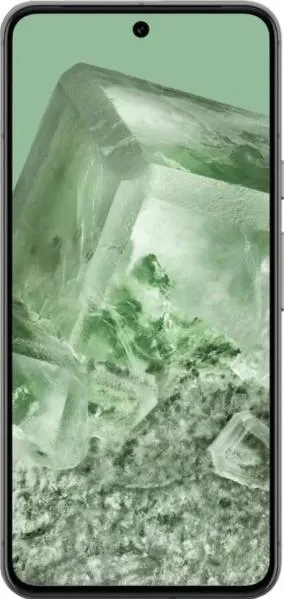
Let's dive into a comparative analysis of the Google Pixel 8 and the enigmatic "8" (presumably a placeholder name for a competitor phone, likely OnePlus 8).
1. Specifications Breakdown
| Feature | Google Pixel 8 | 8 | Real-World Implications |
|---|---|---|---|
| Design | |||
| Dimensions | 150.5x70.8x8.9mm | 162x75.1x8.7mm | Pixel 8 is noticeably smaller and potentially more pocketable. The "8" might feel bulkier in hand. |
| Weight | 187g | 191g | Negligible weight difference; both phones fall within a comfortable range. |
| Display | |||
| Size | 6.2" | 6.78" | The "8" offers a significantly larger screen for more immersive media consumption but might be less one-hand friendly. |
| Type | OLED, 120Hz | LTPO AMOLED, 120Hz | Both offer smooth scrolling and animations. LTPO on the "8" potentially allows for more granular refresh rate control, saving battery. |
| Peak Brightness | 2000 nits | 6000 nits | The "8" boasts exceptional peak brightness, ensuring superb outdoor visibility. |
| Resolution | 1080x2400 | 1264x2780 | The "8" has a sharper display due to higher resolution and pixel density. |
| Performance | |||
| Chipset | Google Tensor G3 | Snapdragon 7+ Gen 3 | Tensor G3 is optimized for AI and machine learning tasks. Snapdragon 7+ Gen 3 is generally known for strong performance and efficiency. |
| CPU | Nona-core | Octa-core | Core configuration differences are less impactful than real-world performance, which requires benchmarking. |
| GPU | Immortalis-G715s MC10 | Adreno 732 | GPU performance impacts gaming and graphics-intensive tasks; requires real-world testing for accurate comparison. |
| RAM | 8GB | 12GB | More RAM on the "8" allows for smoother multitasking and potentially better performance with demanding apps. |
| Storage | 256GB | 512GB | The "8" offers double the storage, beneficial for users who store lots of media or large files. |
| Battery Life | |||
| Capacity | 4575 mAh | 5500 mAh | The "8" has a significantly larger battery, suggesting potentially longer battery life. |
2. Key Insights
The Pixel 8 leverages Google's Tensor G3 chip, prioritizing AI-powered features and smooth performance. Its smaller size might appeal to users who prefer one-handed usability.
The "8" boasts a larger, sharper display with incredible peak brightness, more RAM, and significantly larger storage and battery. The Snapdragon 7+ Gen 3 should deliver excellent performance and efficiency.
3. User Profiles and Recommendations
Pixel 8: Suitable for users prioritizing a compact phone with a strong focus on AI capabilities, software integration, and a clean Android experience. Photographers might also gravitate toward the Pixel's renowned camera prowess (although specs weren't provided here).
"8": Ideal for power users who demand a large, vibrant display, ample storage, long battery life, and top-tier performance for gaming and multitasking.
4. Buying Decision Framework
- What screen size do you prefer? Compact or large and immersive?
- How important is AI and software integration versus raw performance and battery life?
- What's your budget and storage needs?
Personal Choice:
If I were choosing, I'd lean towards the "8". While the Pixel 8 offers a compelling software experience, the "8"'s combination of a larger, brighter, higher-resolution display, significantly larger battery and storage, and the powerful Snapdragon 7+ Gen 3 chip is very attractive. The potential for longer battery life and smoother multitasking with 12GB RAM outweighs the Pixel's advantages in my personal use case. However, I would need to see real-world camera comparisons and reviews before making a final decision.
