
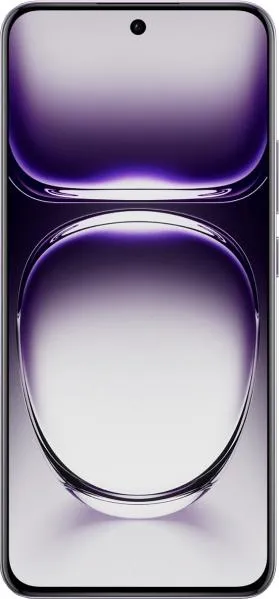
Let's dive into a comparative analysis of the Google Pixel 8 and the Oppo Reno12 Pro, dissecting their specifications and translating them into real-world implications for you.
1. Specifications Breakdown
| Feature | Google Pixel 8 | Oppo Reno12 Pro | Real-World Implications |
|---|---|---|---|
| Design | |||
| Dimensions | 150.5x70.8x8.9mm | 161.5x74.8x7.4mm | Pixel 8 is noticeably smaller and slightly thicker. Reno12 Pro is larger, thinner, and lighter. |
| Weight | 187g | 180g | Reno12 Pro offers a slightly lighter feel in hand. |
| Display | |||
| Size | 6.2" | 6.7" | Reno12 Pro boasts a significantly larger screen for more immersive content consumption. |
| Type | OLED, 120Hz | AMOLED, 120Hz | Both offer smooth scrolling and vibrant colors. Pixel 8's OLED might offer slightly deeper blacks. |
| Peak Brightness | 2000 nits | 1200 nits | Pixel 8's display will be significantly brighter in direct sunlight. |
| Resolution | 1080x2400 | 1080x2412 | Virtually identical pixel density, resulting in sharp visuals on both. |
| Performance | |||
| Chipset | Google Tensor G3 | Dimensity 7300 | Tensor G3 is expected to offer superior AI processing and overall performance. |
| CPU | Nona-core | Octa-core | Tensor G3's unique core configuration potentially provides better power efficiency and performance scaling. |
| GPU | Immortalis-G715s MC10 | Mali-G615 MC2 | Immortalis-G715s should deliver a noticeable advantage in graphics-intensive tasks and gaming. |
| RAM | 8GB | 12GB | Reno12 Pro's extra RAM allows for more apps to run in the background without reloading. |
| Storage | 256GB | 512GB | Reno12 Pro offers double the storage capacity. |
| Battery Life | |||
| Capacity | 4575 mAh | 5000 mAh | Reno12 Pro has a larger battery, potentially leading to longer usage time. |
| Other | |||
| OS | Android 14 | Android 14 | Both run the latest Android version, but long-term software updates favor the Pixel. |
| USB | USB Type-C 3.2 | USB Type-C 2.0 | Pixel 8 offers faster data transfer speeds. |
2. Key Insights
The Pixel 8 prioritizes performance and software, leveraging Google's Tensor G3 chip for AI prowess and a guaranteed longer software update cycle. Its brighter display is a standout feature for outdoor use. The Reno12 Pro counters with a larger display, bigger battery, and more RAM/storage, making it a multimedia and multitasking powerhouse.
3. User Profiles and Recommendations
- Pixel 8: Best for users who prioritize a smooth, powerful experience with the latest Android features and updates, excellent camera capabilities (not detailed here, but Pixel is known for its camera), and a compact form factor.
- Reno12 Pro: Ideal for users who value a large screen for media consumption, extensive multitasking capabilities, ample storage, and long battery life. Gamers might also prefer the Reno12 Pro for its larger display and higher RAM. However, the lack of information on the camera makes a complete recommendation difficult.
4. Buying Decision Framework
- How important is long-term software support and the purest Android experience? If crucial, the Pixel 8 is the winner.
- Do you prioritize a compact phone or a larger display for media consumption? Pixel 8 for portability, Reno12 Pro for immersive visuals.
- Is cutting-edge processing power or larger RAM and storage more important? Pixel 8 for raw performance, Reno12 Pro for multitasking and storage capacity.
My Choice: Google Pixel 8
While the Reno12 Pro offers tempting features like a larger battery and more RAM, I would choose the Google Pixel 8. My decision hinges on several factors:
- Superior Performance: The Tensor G3, with its focus on AI and machine learning, promises a more intelligent and responsive user experience. I value a phone that anticipates my needs and seamlessly integrates with Google's ecosystem.
- Guaranteed Updates: Google's commitment to long-term software updates ensures I'll have the latest features and security patches for years to come. This is crucial for both performance and peace of mind.
- Compact Form Factor: While a larger display is appealing, I prefer a more pocketable device that's easier to handle one-handed.
- Trust in Google's Ecosystem: As a tech journalist deeply embedded in the Android world, I trust Google's commitment to innovation and user experience. The Pixel line consistently delivers on this promise.
Ultimately, the Pixel 8 aligns better with my priorities: a powerful, compact, and future-proof device deeply integrated with the Google ecosystem. While the Reno12 Pro is a strong contender, the Pixel 8's unique strengths make it the more compelling choice for me.
