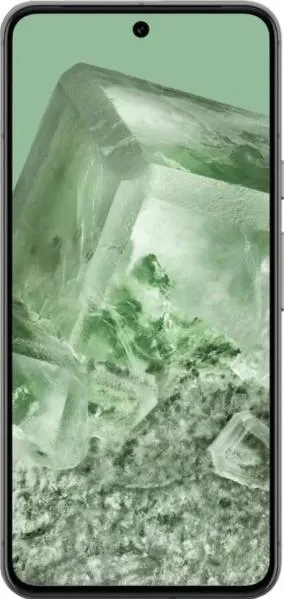
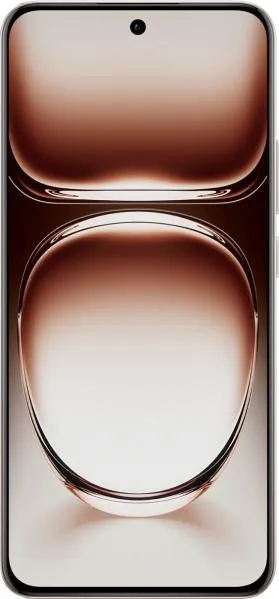
Google Pixel 8 vs. Oppo Reno12: A Deep Dive for the Discerning Smartphone User
The smartphone landscape is constantly evolving, with new contenders vying for your attention. Today, we dissect two compelling mid-range devices: the Google Pixel 8 and the Oppo Reno12. Let's move beyond the spec sheet and uncover what these phones offer in the real world.
1. Specifications Breakdown
| Feature | Google Pixel 8 | Oppo Reno12 | Real-World Implications |
|---|---|---|---|
| Design | |||
| Dimensions | 150.5 x 70.8 x 8.9 mm | 161.4 x 74.1 x 7.6 mm | Pixel 8 is noticeably smaller and slightly thicker; Reno12 is taller and wider but slimmer. Impacts one-handed use. |
| Weight | 187g | 177g | Reno12 is lighter, potentially more comfortable for extended use. |
| Display | |||
| Size | 6.2" | 6.7" | Reno12 offers a larger screen for more immersive media consumption. |
| Type | OLED, 120Hz | AMOLED, 120Hz | Both offer smooth scrolling and vibrant colors. OLED generally offers deeper blacks. |
| Peak Brightness | 2000 nits | 1200 nits | Pixel 8's significantly higher peak brightness ensures better outdoor visibility. |
| Resolution | 1080 x 2400 | 1080 x 2412 | Virtually identical pixel density; sharpness will be similar. |
| Performance | |||
| Chipset | Google Tensor G3 | Dimensity 7300 | Tensor G3 is generally expected to offer superior AI performance and processing power. |
| CPU | Nona-core | Octa-core | Core configuration suggests the Tensor G3 might handle demanding tasks more efficiently. |
| GPU | Immortalis-G715s MC10 | Mali-G615 MC2 | Immortalis-G715s MC10 should provide a significant advantage in graphics-intensive applications and gaming. |
| RAM | 8GB | 12GB | Reno12's larger RAM might allow for better multitasking and smoother performance with many apps open. |
| Storage | 256GB | 512GB | Reno12 offers double the storage, crucial for users who store lots of media or large files. |
| Battery Life | |||
| Capacity | 4575 mAh | 5000 mAh | Reno12 has a larger battery, suggesting potentially longer battery life. Real-world usage will vary. |
| Other | |||
| OS | Android 14 | Android 14 | Both run the latest Android version at launch. Note: Reno12's listed max OS version is significantly lower (Android 17). |
| USB | USB Type-C 3.2 | USB Type-C 2.0 | Pixel 8 offers faster data transfer speeds. |
2. Key Insights
The Pixel 8 prioritizes a premium user experience with its brighter display, potentially more powerful processor (Tensor G3), and faster USB standard. Google's focus on AI and computational photography suggests the Pixel 8 will excel in areas like image processing, voice assistance, and overall responsiveness.
The Reno12 counters with a larger display, bigger battery, and more RAM and storage. It caters to users who prioritize media consumption, multitasking, and ample storage space. The lower price point for the Reno 12, considering the increased RAM and Storage, makes it a value-driven option.
3. User Profiles and Recommendations
Pixel 8: Ideal for users who value a compact, powerful phone with a best-in-class camera and a smooth, AI-enhanced user experience. Photographers, power users, and those who prioritize software updates will appreciate the Pixel 8.
Reno12: Best suited for users who prioritize media consumption, multitasking, and ample storage. Gamers on a budget, heavy multimedia users, and those seeking a larger display will find the Reno12 appealing.
4. Buying Decision Framework
- What is your budget and storage needs? The Reno12 likely offers a lower price for more storage.
- Do you prioritize camera quality or screen size? Pixel 8 excels in camera technology; Reno12 offers a larger display.
- How important is raw processing power and software updates? The Pixel 8 with the Tensor G3 and Google's software support likely wins here.
My Choice: The Google Pixel 8
While the Reno12 offers compelling value with its larger battery and screen, I'd choose the Pixel 8. The Tensor G3's potential performance advantage, combined with Google's commitment to software updates and the superior display brightness, aligns better with my priorities. The compact form factor also appeals to me. Ultimately, the refined user experience and potential for future-proofing offered by the Pixel 8 outweigh the Reno12's advantages in storage and battery capacity for my personal use case.
