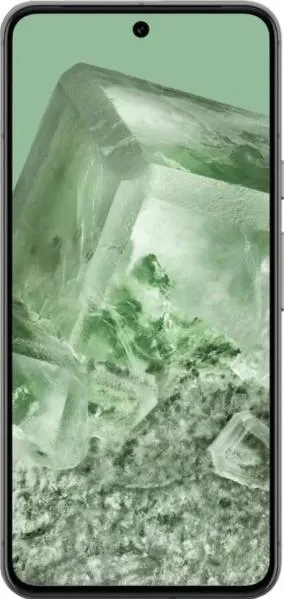
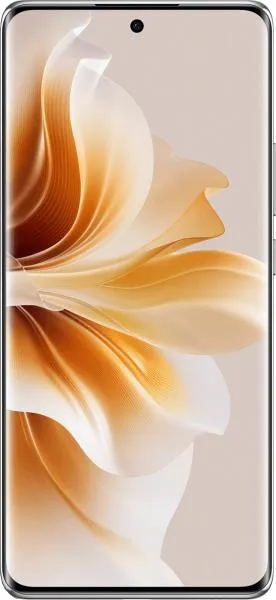
Let's dive into a comparative analysis of the Google Pixel 8 and the Oppo Reno11, dissecting their specifications and translating them into real-world implications for you.
1. Specifications Breakdown
| Feature | Google Pixel 8 | Oppo Reno11 | Real-World Implications |
|---|---|---|---|
| Design | |||
| Dimensions | 150.5 x 70.8 x 8.9 mm | 162.4 x 74.3 x 7.9 mm | Pixel 8 is noticeably more compact, potentially easier for one-handed use. Reno11 is taller and wider. |
| Weight | 187g | 182g | Negligible weight difference in practical use. |
| Build Materials | Not specified | Not specified | Build quality impacts durability and premium feel; information lacking here. |
| Display | |||
| Display Type | OLED, 120Hz, HDR10+ | AMOLED, 120Hz, HDR10+ | Both offer vibrant colors and smooth scrolling. OLED generally has deeper blacks. |
| Size | 6.2" | 6.7" | Reno11 provides a larger viewing area for media consumption. |
| Resolution | 1080 x 2400 | 1080 x 2412 | Virtually identical pixel density; sharpness will be similar. |
| Peak Brightness | 2000 nits | 950 nits | Pixel 8's significantly higher brightness ensures excellent outdoor visibility. |
| Performance | |||
| Chipset | Google Tensor G3 (4nm) | Mediatek Dimensity 7050 (6nm) | Tensor G3, being newer and built on a smaller process, is likely to offer superior performance and efficiency. |
| CPU | Nona-core (1x3.0 GHz Cortex-X3 & 4x2.45 GHz Cortex-A715 & 4x2.15 GHz Cortex-A510) | Octa-core (2x2.6 GHz Cortex-A78 & 6x2.0 GHz Cortex-A55) | Pixel 8's CPU configuration suggests a performance advantage, especially in demanding tasks. |
| GPU | Immortalis-G715s MC10 | Mali-G68 MC4 | Pixel 8's GPU is expected to deliver smoother gaming and faster graphics rendering. |
| RAM | 8GB | 12GB | Reno11 boasts more RAM, potentially benefiting multitasking and app switching, but the Pixel 8's superior processor may offset this in real-world use. |
| Storage | 256GB | 256GB | Storage capacity is equal on both devices. |
| Battery Life | |||
| Capacity | 4575 mAh | 5000 mAh | Reno11 has a larger battery, suggesting potentially longer battery life. However, real-world usage depends heavily on software optimization and chip efficiency. |
| Camera | Not specified in detail | Not specified in detail | Detailed camera specs (sensor size, aperture, features) are crucial for a comprehensive comparison. Based on available video capabilities, Pixel 8 offers more advanced video recording options (higher frame rates, HDR). |
| Other | |||
| OS | Android 14 | Android 14 | Both run the latest Android version, ensuring access to the newest features. Long-term software updates could differ. |
| USB | USB Type-C 3.2 | USB Type-C 2.0 | Pixel 8's faster USB standard allows for quicker data transfer and charging. |
2. Key Insights
- Performance: The Pixel 8, with its cutting-edge Tensor G3 chip, is poised to deliver a significant performance advantage over the Reno11. This translates to smoother gaming, faster app loading, and a more responsive overall experience.
- Display: While both phones offer 120Hz refresh rates, the Pixel 8's superior peak brightness makes it a clear winner for outdoor readability.
- Battery Life: The Reno11's larger battery capacity suggests longer endurance, but the Pixel 8's more efficient processor might close the gap in real-world usage. This is an area where hands-on testing would be crucial.
- Software: Both phones run Android 14, but Google's track record of timely software updates and Pixel-exclusive features gives the Pixel 8 an edge in the long run.
3. User Profiles and Recommendations
- Pixel 8: Best suited for users who prioritize performance, a compact form factor, a bright and vibrant display, and the latest Android updates. Ideal for power users, gamers, and those who frequently use their phones outdoors.
- Reno11: Potentially a good choice for users who prioritize battery life and a larger screen for media consumption. More information is needed on camera performance and pricing to solidify this recommendation.
4. Buying Decision Framework
- What matters most: Performance or battery life? If performance is paramount, the Pixel 8 is likely the better choice. If battery life is a top priority, the Reno11 might be more appealing, pending real-world battery tests.
- How important is display brightness? If you frequently use your phone outdoors, the Pixel 8's significantly brighter display will make a noticeable difference.
- What's your budget? Both are positioned in the mid-range, but the final pricing will heavily influence the value proposition.
My Choice: Based on the available information, I would choose the Google Pixel 8. The Tensor G3's performance advantage, coupled with the brighter display, compact design, and Google's commitment to software updates, makes it a compelling package. While the Reno11 offers a larger battery and more RAM, these advantages are likely outweighed by the Pixel 8's strengths in crucial areas. I value a smooth and responsive user experience above all else, and the Pixel 8 seems poised to deliver precisely that. However, I'd want to see real-world camera comparisons and firm pricing before making a final decision.
