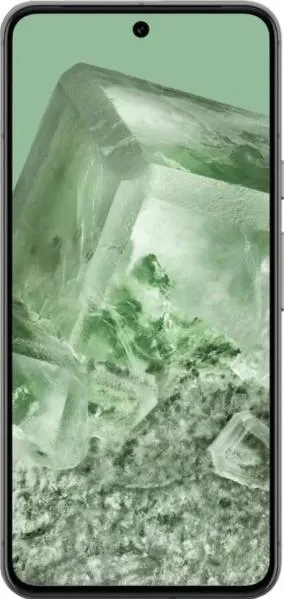
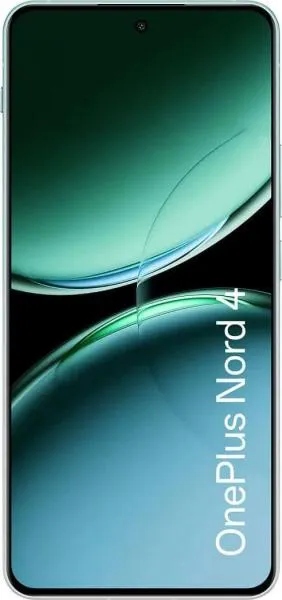
Let's dive into a comparative analysis of the Google Pixel 8 and the OnePlus Nord 4, dissecting their specifications and translating them into real-world implications for you.
1. Specifications Breakdown
| Feature | Google Pixel 8 | OnePlus Nord 4 | Real-World Implications |
|---|---|---|---|
| Design | |||
| Dimensions | 150.5x70.8x8.9mm | 162.6x75x8mm | Pixel 8 is noticeably more compact, potentially easier for one-handed use. Nord 4 is taller and slightly wider. |
| Weight | 187g | 199.5g | Pixel 8 is lighter, contributing to better handling and portability. |
| Display | |||
| Size | 6.2 inches | 6.74 inches | Nord 4 offers a larger screen for more immersive media consumption. Pixel 8 prioritizes portability. |
| Type | OLED, 120Hz | Fluid AMOLED, 120Hz | Both offer smooth scrolling and animations thanks to the 120Hz refresh rate. |
| Resolution | 1080x2400 | 1240x2772 | Nord 4 boasts a slightly sharper display due to its higher resolution. |
| Peak Brightness | 2000 nits | 2150 nits | Nord 4 might be slightly more visible in direct sunlight. |
| Performance | |||
| Chipset | Google Tensor G3 | Snapdragon 7+ Gen 3 | Both are powerful chips, but Tensor G3 is optimized for AI and machine learning tasks, potentially enhancing Pixel 8's user experience. |
| CPU | Nona-core | Octa-core | Core configuration differences are less significant than overall chip performance and optimization in real-world usage. |
| GPU | Immortalis-G715s MC10 | Adreno 732 | Both GPUs should handle demanding games, though benchmarks would provide a more precise comparison. |
| RAM | 8GB | 16GB | Nord 4's larger RAM capacity should enable better multitasking and app switching. |
| Storage | 256GB | 512GB | Nord 4 offers double the storage, catering to users with extensive media libraries. |
| Battery Life | |||
| Capacity | 4575 mAh | 5500 mAh | Nord 4's significantly larger battery suggests longer usage time between charges. |
| Other | |||
| OS | Android 14 | Android 14 | Both run the latest Android version at launch. Pixel 8 is likely to receive faster and longer OS and security updates. |
| USB | USB Type-C 3.2 | USB Type-C 2.0 | Pixel 8's faster USB standard allows for quicker data transfer and potentially faster charging. |
| Video Capabilities | Up to 4K@60fps, 1080p@240fps | Up to 4K@60fps, 1080p@120fps | Pixel 8 supports higher frame rate slow-motion video recording. |
2. Key Insights
- Pixel 8: Compact design, lighter weight, Google's AI-focused Tensor G3 chip, likely faster software updates, superior slow-motion video recording.
- Nord 4: Larger display, higher resolution, significantly larger battery, double the RAM and storage, potentially more affordable.
3. User Profiles and Recommendations
- Pixel 8: Best for users who prioritize a compact phone, value software updates and AI features, and prefer a clean Android experience. Photographers and videographers will also appreciate the superior camera features implied by the video capabilities.
- Nord 4: Ideal for users who want a large screen for media consumption, need ample storage and RAM for multitasking, and prioritize long battery life. Gamers might also find the Nord 4 appealing due to its larger RAM.
4. Buying Decision Framework
- What screen size do you prefer? Compact (Pixel 8) or large (Nord 4)?
- How important are software updates and AI features? Prioritize Pixel 8 if these are crucial.
- What's your budget and storage needs? Nord 4 potentially offers more value for the price with double the storage. If you're on a stricter budget, the Nord line is traditionally priced very competitively.
My Choice: As Alex Griffin, I would choose the Pixel 8. While the Nord 4 offers tempting specs like a larger battery and more storage, I prioritize the Pixel's more compact form factor, the promise of faster and longer software updates, the pure Android experience, and the potential advantages of the Tensor G3 chip for AI-powered features. I often use my phone one-handed and appreciate the clean software without bloatware. The superior slow-motion video capabilities also hint at more advanced camera features that I, as a tech journalist, would value.
