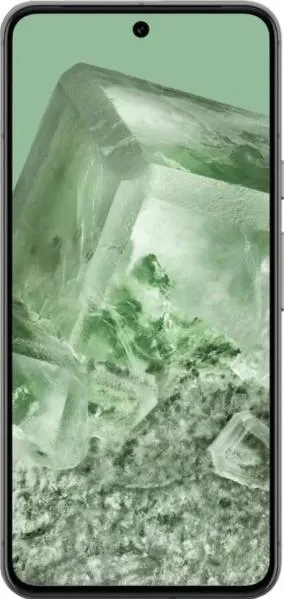
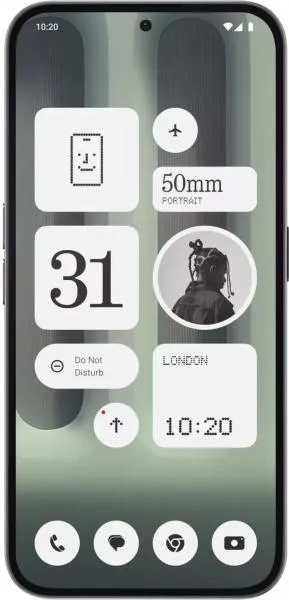
Let's dive into a comparative analysis of the Google Pixel 8 and the Nothing Phone (2a) Plus, dissecting their specifications and uncovering what they truly offer the everyday user.
1. Specifications Breakdown
| Feature | Google Pixel 8 | Nothing Phone (2a) Plus | Real-World Implications |
|---|---|---|---|
| Design | |||
| Dimensions | 150.5 x 70.8 x 8.9 mm | 161.7 x 76.3 x 8.5mm | Pixel 8 is noticeably smaller and potentially more pocketable. |
| Weight | 187g | 190g | Negligible weight difference in real-world usage. |
| Display | |||
| Size | 6.2" | 6.7" | Nothing Phone offers a larger screen for media consumption. |
| Type | OLED, 120Hz | AMOLED, 120Hz | Both offer smooth scrolling and vibrant colors. |
| Peak Brightness | 2000 nits | 1300 nits | Pixel 8 boasts significantly higher brightness for outdoor visibility. |
| Resolution | 1080 x 2400 | 1080 x 2412 | Virtually identical pixel density; sharpness will be comparable. |
| Performance | |||
| Chipset | Google Tensor G3 | Mediatek Dimensity 7350 Pro | Tensor G3 expected to deliver superior AI and overall performance. |
| CPU | Nona-core | Octa-core | Tensor G3's architecture likely provides better multitasking. |
| GPU | Immortalis-G715s MC10 | Mali-G610 MC4 | Pixel 8 expected to offer a smoother gaming experience. |
| RAM | 8GB | 12GB | Nothing Phone has more RAM, potentially benefiting heavy multitaskers. |
| Storage | 256GB | 256GB | Storage capacity is equal on both devices. |
| Camera (Partial) | |||
| Video Capabilities | Up to 4K@240fps | Up to 4K@30fps | Pixel 8 offers significantly more robust video recording options. |
| Battery Life | |||
| Capacity | 4575 mAh | 5000 mAh | Nothing Phone boasts a larger battery capacity, potentially longer lasting. |
2. Key Insights
The Pixel 8 leverages Google's custom Tensor G3 chip, promising superior AI processing, computational photography, and overall performance compared to the Nothing Phone (2a) Plus's Dimensity 7350 Pro. While the Nothing Phone counters with a larger display and battery, the Pixel 8 excels in peak brightness for better outdoor visibility and boasts more versatile video recording capabilities. The extra RAM in the Nothing Phone could be advantageous for power users who frequently juggle many apps.
3. User Profiles and Recommendations
- Pixel 8: Best suited for users prioritizing a compact form factor, a bright and vibrant display, top-tier performance (especially in AI and camera tasks), and a seamless software experience with faster Android updates directly from Google.
- Nothing Phone (2a) Plus: Ideal for users who prefer a larger display for media consumption, value longer battery life, and engage in heavy multitasking. The unique Glyph Interface might also appeal to those seeking a distinctive design element.
4. Buying Decision Framework
Questions to Ask Yourself:
- What size phone do you prefer? Compact (Pixel 8) or larger (Nothing Phone)?
- What's more important: raw performance and camera capabilities, or battery life and a unique design?
- How much do you value a clean Android experience with rapid updates?
Scenario-Based Recommendations:
- Frequent Traveler: Pixel 8 for its pocketability and superior camera.
- Heavy Multitasker: Nothing Phone for its larger RAM and battery.
- Media Enthusiast: Nothing Phone for its bigger display.
My Choice: Google Pixel 8
While the Nothing Phone (2a) Plus has its allure with the larger battery and display, I would choose the Google Pixel 8. The Tensor G3's expected performance advantage, particularly in AI and computational photography, is a major draw for me. I prioritize a smooth, responsive user experience, and the Pixel's clean Android software with guaranteed timely updates is a significant factor. The brighter display is crucial for outdoor use, and the compact form factor suits my preference. While battery life is important, I'm willing to compromise slightly for the Pixel's overall superior performance and user experience. The more advanced video recording capabilities are another deciding factor, as I frequently capture short video clips. Ultimately, the Pixel 8 aligns better with my needs and priorities as a tech enthusiast who values performance, a polished software experience, and cutting-edge camera technology.
