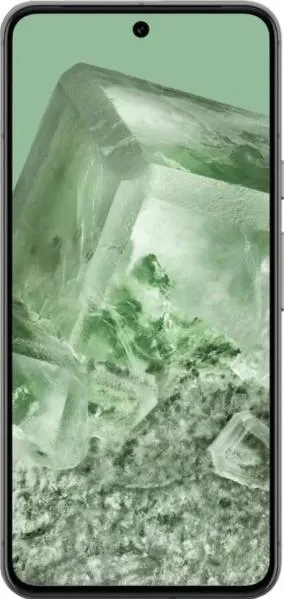
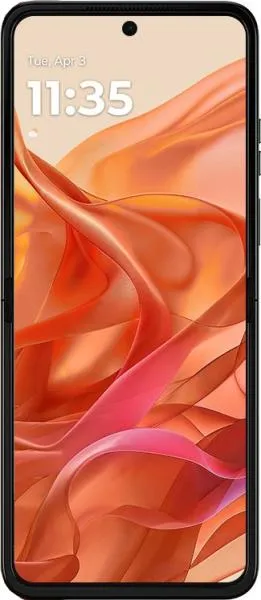
Let's dive into a comparative analysis of the Google Pixel 8 and the Motorola Razr 50, dissecting their technical specifications and translating them into real-world implications for you.
1. Specifications Breakdown
| Feature | Google Pixel 8 | Motorola Razr 50 | Real-World Implications |
|---|---|---|---|
| Design | |||
| Dimensions | 150.5x70.8x8.9mm | 171.3x74x7.3mm | Razr 50 is taller and wider when unfolded, but significantly thinner and more pocketable when folded. Pixel 8 offers a more traditional candybar form factor. |
| Weight | 187g | 188.4g | Negligible weight difference in practical use. |
| Foldable | No | Yes | Razr 50's foldable design offers unique portability and a compact form factor. |
| Display | |||
| Size | 6.2" | 6.9" | Razr 50 boasts a larger screen for immersive content consumption when unfolded. |
| Type | OLED, 120Hz | Foldable LTPO AMOLED, 120Hz | Both offer smooth scrolling and vibrant colors. Razr 50's LTPO panel might offer slightly better battery efficiency. |
| Resolution | 1080x2400 | 1080x2640 | Comparable sharpness; Razr 50 slightly taller aspect ratio. |
| Peak Brightness | 2000 nits | 3000 nits | Razr 50 should offer superior outdoor visibility. |
| Performance | |||
| Chipset | Google Tensor G3 | Mediatek Dimensity 7300X | Tensor G3 expected to offer superior AI processing and machine learning capabilities; Dimensity 7300X may provide stronger raw performance in certain tasks. |
| CPU | Nona-core | Octa-core | Both offer powerful multi-core performance, though architectural differences may lead to varied performance in specific applications. |
| GPU | Immortalis-G715s MC10 | Mali-G615 MC2 | Immortalis-G715s MC10 likely to offer better gaming and graphics performance. |
| RAM | 8GB | 12GB | Razr 50's larger RAM could provide smoother multitasking and better performance with memory-intensive apps. |
| Storage | 256GB | 512GB | Razr 50 offers double the storage. |
| Battery Life | |||
| Capacity | 4575 mAh | 4200 mAh | Pixel 8 has a slightly larger battery, but real-world battery life will depend on usage patterns and software optimization, especially with the Razr 50's folding display. |
| Other | |||
| OS | Android 14 | Android 14 | Both run the latest Android version. |
2. Key Insights
Google Pixel 8: This phone champions Google's pure Android experience, likely offering faster updates and tighter software integration. The Tensor G3 chip should excel in AI-driven tasks, photography, and voice commands. It’s a solid all-around device with a focus on software and user experience.
Motorola Razr 50: The standout feature is its foldable design, offering unparalleled portability. The larger display, when unfolded, provides an immersive experience. While its chipset might not match the Tensor G3 in specialized AI tasks, the larger RAM and storage provide a significant advantage for power users and multitaskers.
3. User Profiles and Recommendations
Pixel 8: Ideal for users who prioritize a clean Android experience, seamless Google integration, and reliable performance. Its strong camera capabilities and AI features make it excellent for photography enthusiasts and those who rely heavily on voice assistants.
Razr 50: Best suited for users who value portability and a unique form factor above all else. The foldable design is a conversation starter and perfect for those constantly on the move. The larger screen and ample RAM/storage also cater to power users and content creators.
4. Buying Decision Framework
- Is portability your top priority? If so, the Razr 50's foldable design is unmatched.
- Do you value a clean Android experience with a focus on AI and camera performance? The Pixel 8 excels in these areas.
- Do you need a large screen and ample storage for multitasking and demanding applications? The Razr 50's 6.9" display and 512GB storage offer a significant advantage.
My Choice
If I were choosing between these two, I'd lean towards the Google Pixel 8. While the Razr 50's foldable design is undeniably cool, I prioritize a seamless software experience, consistent performance, and a robust camera. The Pixel's Tensor G3, with its focus on AI and machine learning, aligns more closely with my usage patterns. I often leverage voice assistants, appreciate computational photography, and value the promise of timely software updates that come with a pure Google device. While the Razr 50 offers a larger display and more RAM, these advantages aren't compelling enough for me to sacrifice the cohesive software and AI capabilities of the Pixel. Plus, having a slightly larger battery in a more traditionally sized phone is a win for me.
