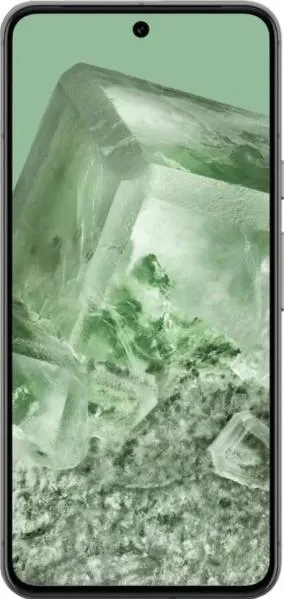
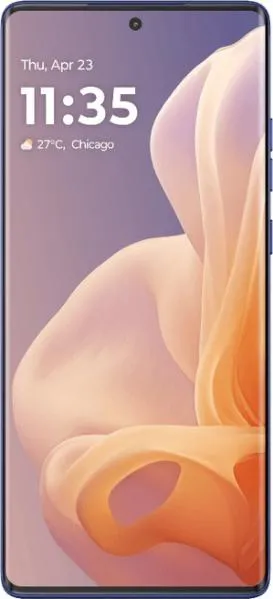
Google Pixel 8 vs. Motorola Moto G85: A Deep Dive
Let's dissect the Google Pixel 8 and the Motorola Moto G85, two intriguing contenders in the mid-range smartphone arena. We'll go beyond the spec sheet to uncover what these numbers truly mean for your daily life.
1. Specifications Breakdown
| Feature | Google Pixel 8 | Motorola Moto G85 | Real-World Implications |
|---|---|---|---|
| Design | |||
| Dimensions (mm) | 150.5 x 70.8 x 8.9 | 161.9 x 73.1 x 7.6 | Pixel 8 is more compact, potentially easier to handle; Moto G85 is slimmer. |
| Weight (g) | 187 | 171 | Moto G85 is noticeably lighter, reducing hand fatigue. |
| Display | |||
| Display Type | OLED, 120Hz | P-OLED, 120Hz | Both offer smooth scrolling and vibrant colors; OLED generally has better blacks. |
| Size (inches) | 6.2 | 6.67 | Moto G85 provides a larger viewing area for media consumption. |
| Resolution | 1080 x 2400 | 1080 x 2400 | Identical resolution; Pixel 8 has slightly higher pixel density due to smaller screen. |
| Peak Brightness (nits) | 2000 | 1600 | Pixel 8's display will be more visible in direct sunlight. |
| Performance | |||
| Chipset | Google Tensor G3 | Snapdragon 6s Gen 3 | Tensor G3 is expected to offer significantly better performance, especially in AI tasks. |
| CPU | Nona-core | Octa-core | Core configuration suggests Tensor G3 has a performance edge. |
| GPU | Immortalis-G715s MC10 | Adreno 619 | Immortalis-G715s MC10 offers a substantial advantage in graphics processing. |
| RAM | 8GB | 12GB | More RAM on the Moto G85 could improve multitasking, but Tensor G3's efficiency might offset this. |
| Storage | 256GB | 256GB | Both offer ample storage for apps and media. |
| Battery | |||
| Capacity (mAh) | 4575 | 5000 | Moto G85 has a larger battery, potentially leading to longer battery life. |
| Other | |||
| OS | Android 14 | Android 14 | Both run the latest Android version. |
| USB | USB Type-C 3.2 | USB Type-C 2.0 | Pixel 8 offers faster data transfer and charging speeds. |
| Video Capabilities | Up to 4K@240fps | Up to 1080p@60fps | Pixel 8 boasts significantly superior video recording capabilities. |
2. Key Insights
The Pixel 8, powered by the Google Tensor G3, is geared towards performance and AI-driven features. Its superior chipset and GPU translate to smoother gaming, faster app loading, and enhanced computational photography. The brighter display ensures excellent outdoor visibility.
The Moto G85 prioritizes battery life and a large display for media consumption. Its 12GB RAM might seem advantageous, but the Tensor G3's efficiency could make the Pixel 8 feel just as responsive in daily use. The Moto G85 makes trade-offs in processing power, graphics capabilities, and camera features.
3. User Profiles and Recommendations
Pixel 8: Ideal for users who value performance, a premium camera experience, and a compact form factor. Power users, photographers, and gamers would appreciate its capabilities.
Moto G85: Best suited for users who prioritize battery life, a large screen for entertainment, and a lighter device. Casual users, media consumers, and those on a tighter budget might find this a compelling option.
4. Buying Decision Framework
- What is your budget and what do you value most in a smartphone? If performance and camera quality are paramount, the Pixel 8 is worth the investment. If battery life and affordability are key, the Moto G85 is a strong contender.
- How important is gaming and media consumption? The Pixel 8's powerful GPU and brighter display deliver a superior gaming and video experience. The Moto G85's larger screen is better for extended viewing but lacks the Pixel's graphical prowess.
- Do you frequently use your phone for demanding tasks? The Pixel 8's Tensor G3 handles multitasking and resource-intensive apps with greater ease.
My Choice: I would choose the Google Pixel 8. While the Moto G85 offers a larger battery and more RAM, the Pixel 8's superior processing power, advanced camera features, brighter display, and faster USB connectivity are more compelling to me. I prioritize a smooth, responsive user experience and cutting-edge technology, and the Pixel 8 delivers on those fronts. The Tensor G3's AI capabilities also intrigue me, as they promise innovative features and personalized experiences. While battery life is important, I'm willing to sacrifice a bit of capacity for a significant boost in overall performance and functionality.
