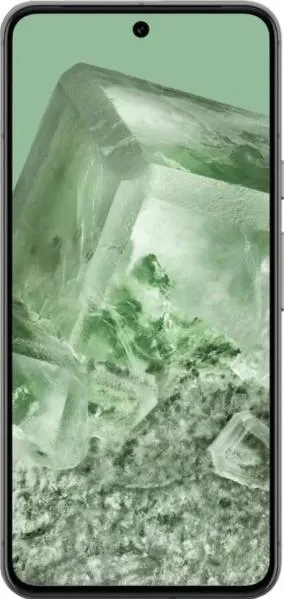
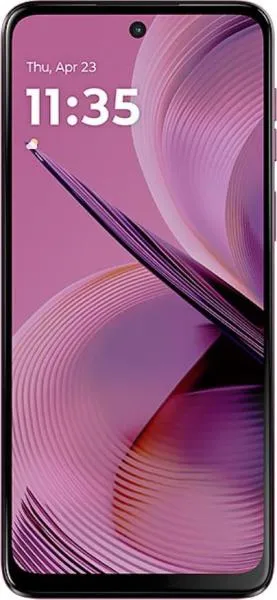
Google Pixel 8 vs. Motorola Moto G55: A Deep Dive
Let's dissect the Google Pixel 8 and the Motorola Moto G55, translating their spec sheets into real-world experiences. Both phones occupy the "medium price" range, but their strengths cater to different user priorities.
1. Specifications Breakdown
| Feature | Google Pixel 8 | Motorola Moto G55 | Real-World Implications |
|---|---|---|---|
| Design | |||
| Dimensions | 150.5x70.8x8.9mm | 161.6x73.8x8.1mm | Pixel 8 is noticeably more compact, potentially easier for one-handed use. Moto G55 is thinner. |
| Weight | 187g | 179g | Moto G55 is slightly lighter. |
| Build Materials | Glass/Aluminum | Plastic | Pixel 8 offers a more premium feel and potentially better durability. |
| Display | |||
| Display Type | OLED, 120Hz | IPS LCD, 120Hz | Pixel 8's OLED offers deeper blacks, richer colors, and better power efficiency. |
| Peak Brightness | 2000 nits | Not specified | Pixel 8 will be significantly brighter and more readable in direct sunlight. |
| Resolution | 1080x2400 | 1080x2400 | Similar sharpness on both devices due to comparable pixel density, but Pixel 8 has superior PPI |
| Performance | |||
| Chipset | Google Tensor G3 | Mediatek Dimensity 7025 | Pixel 8 boasts a more powerful, AI-optimized chip, promising smoother performance and advanced features. |
| CPU | Nona-core | Octa-core | Core count isn't everything; Tensor G3's architecture likely provides a performance advantage. |
| GPU | Immortalis-G715s MC10 | IMG BXM-8-256 | Pixel 8's GPU is considerably more powerful, ideal for gaming and demanding applications. |
| RAM | 8GB | 8GB | Both offer ample RAM for multitasking. |
| Storage | 256GB | 256GB | Equivalent storage capacity. |
| Camera | Not provided in spec sheet | Not provided in spec sheet | Insufficient data for comparison. Google's Pixel line is generally highly regarded for camera quality |
| Battery Life | |||
| Capacity | 4575 mAh | 5000 mAh | Moto G55 has a larger battery capacity, suggesting potentially longer battery life. |
| Charging | Not provided in spec sheet | Not provided in spec sheet | Fast charging capabilities are unknown for both devices. |
| Other | |||
| OS | Android 14 | Android 14 | Both run the latest Android version. |
| USB | USB Type-C 3.2 | USB Type-C 2.0 | Pixel 8 offers faster data transfer speeds. |
| NFC | Yes | Yes | Both support contactless payments and data transfer. |
2. Key Insights
The Pixel 8 clearly emphasizes a premium user experience. Its superior OLED display, powerful Tensor G3 chip, and faster USB standard point to a device geared towards demanding users who value performance, vibrant visuals, and a polished software experience. The Moto G55, with its larger battery and more affordable price point, prioritizes practicality and long-lasting usage.
3. User Profiles and Recommendations
- Pixel 8: Ideal for users who prioritize performance, a vibrant display, a compact form factor, and a premium feel. This includes mobile gamers, content creators, and those who heavily multitask.
- Moto G55: Suited for users who value battery life, affordability, and a large screen. This phone is a good option for those who primarily use their phones for communication, social media, and light browsing, and don't want to constantly worry about charging.
4. Buying Decision Framework
- What is your budget? The Pixel 8 will likely command a higher price due to its superior specs.
- What are your primary phone usage patterns? Heavy users will appreciate the Pixel 8's performance, while lighter users might find the Moto G55's battery life more appealing.
- Do you prioritize display quality and a premium feel? The Pixel 8's OLED and build quality significantly outshine the Moto G55 in this area.
My Choice: As Alex Griffin, I would choose the Pixel 8. While the Moto G55 offers a tempting larger battery, the Pixel 8's superior processing power, vibrant OLED display, compact form factor, and the promise of the Google software experience are more aligned with my needs as a tech journalist. I often push my devices to their limits with multitasking, content creation, and gaming, and I value a responsive and visually engaging experience. The faster USB standard is also crucial for quickly transferring large files. While battery life is important, I'm willing to prioritize performance and features in this case. The Pixel's historical emphasis on camera quality also heavily influences my decision, although we lack the specifics to compare in this instance.
