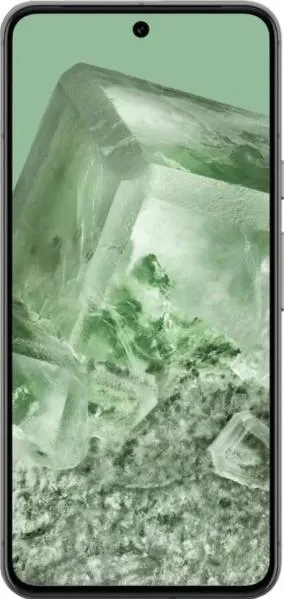
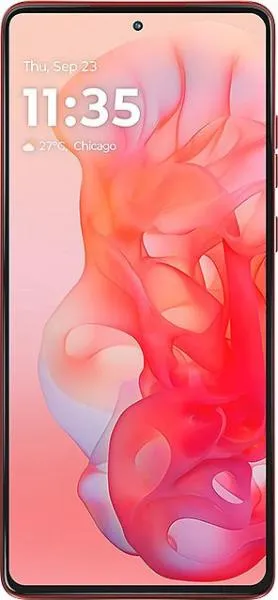
Let's dive into a comparative analysis of the Google Pixel 8 and the Motorola Moto G Stylus 5G (2024). Both phones occupy the "medium price" range, but their strengths and weaknesses cater to distinct user profiles.
1. Specifications Breakdown
| Feature | Google Pixel 8 | Motorola Moto G Stylus 5G (2024) | Real-World Implications |
|---|---|---|---|
| Design | |||
| Dimensions | 150.5 x 70.8 x 8.9 mm | 162.6 x 74.8 x 8.3 mm | Pixel 8 is more compact and pocketable; Moto G Stylus is larger, potentially better for media consumption but less one-hand friendly. |
| Weight | 187g | 190g | Negligible weight difference in real-world usage. |
| Display | |||
| Size | 6.2" | 6.7" | Moto G Stylus offers a larger screen for more immersive viewing; Pixel 8 is more compact. |
| Type | OLED, 120Hz | P-OLED, 120Hz | Both offer smooth scrolling and vibrant colors; OLED generally boasts better blacks and contrast. |
| Peak Brightness | 2000 nits | 1200 nits | Pixel 8 significantly brighter outdoors. |
| Resolution | 1080 x 2400 | 1080 x 2400 | Identical resolution; sharpness comparable given the size difference. |
| Performance | |||
| Chipset | Google Tensor G3 | Snapdragon 6 Gen 1 | Tensor G3 expected to be more powerful in AI tasks and overall performance. |
| CPU | Nona-core (1x3.0 GHz Cortex-X3 & 4x2.45 GHz Cortex-A715 & 4x2.15 GHz Cortex-A510) | Octa-core (4x2.2 GHz Cortex-A78 & 4x1.8 GHz Cortex-A55) | Pixel 8's CPU configuration suggests superior multi-core performance. |
| GPU | Immortalis-G715s MC10 | Adreno 710 | Immortalis-G715s MC10 likely provides a better gaming experience. |
| RAM | 8GB | 8GB | Equal RAM; both should handle multitasking reasonably well. |
| Storage | 256GB | 256GB | Equal storage capacity. |
| Battery | |||
| Capacity | 4575 mAh | 5000 mAh | Moto G Stylus boasts larger battery capacity, potentially longer battery life. |
| Other | |||
| Stylus | No | Yes | Moto G Stylus offers stylus functionality for note-taking and drawing. |
| OS Updates | Longer Commitment | Shorter Commitment | Pixel phones generally receive more years of OS and security updates. |
2. Key Insights
- Performance: The Pixel 8, powered by the Google Tensor G3, is expected to deliver superior overall performance, especially in AI-driven tasks and demanding applications. The Moto G Stylus 5G (2024) offers respectable performance for everyday use but might lag behind in intensive workloads.
- Display: While both phones feature 120Hz refresh rates for smooth visuals, the Pixel 8's OLED display with a peak brightness of 2000 nits significantly outshines the Moto G Stylus's 1200 nits. This translates to much better visibility in direct sunlight.
- Battery: The Moto G Stylus 5G boasts a larger 5000 mAh battery, potentially offering longer usage time. However, real-world battery life depends on numerous factors, including software optimization and usage patterns.
- Software and Updates: Pixel phones are renowned for receiving timely and extended software updates directly from Google. This provides a significant advantage in terms of security and longevity compared to the Moto G Stylus.
- Stylus: The defining feature of the Moto G Stylus is its integrated stylus, ideal for note-taking, sketching, and precise on-screen interactions. This caters to a specific niche that values this functionality.
3. User Profiles and Recommendations
- Pixel 8: Best suited for users prioritizing performance, a premium display, compact form factor, and the latest software with guaranteed updates. Ideal for power users, photographers, and those who demand a smooth, responsive experience.
- Moto G Stylus 5G (2024): Ideal for budget-conscious users who value a large screen, long battery life, and the unique utility of a stylus. Students, artists, and those who prefer handwriting notes would find this device appealing.
4. Buying Decision Framework
- Is top-tier performance and a brilliant display a priority? If yes, the Pixel 8 is the clear winner.
- Do you frequently use a stylus for note-taking or drawing? If yes, the Moto G Stylus 5G is your go-to device.
- How important are long-term software updates and security? If this is crucial, the Pixel's guaranteed update cycle makes it the preferable choice.
My Choice: Google Pixel 8
As a tech journalist who values performance, a vibrant display, and the assurance of long-term software updates, I would choose the Google Pixel 8. While the Moto G Stylus 5G offers a compelling stylus and larger battery, the Pixel 8's superior processing power, brighter display, and commitment to software updates align more closely with my needs and priorities. The compact form factor is also a significant advantage for me. While I appreciate the utility of a stylus, it's not a feature I would personally utilize frequently enough to outweigh the Pixel 8's other strengths. The price difference, assuming it's not substantial, is justified by the Pixel's premium features and long-term value proposition.
