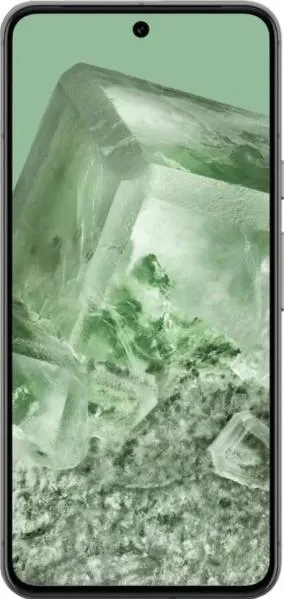
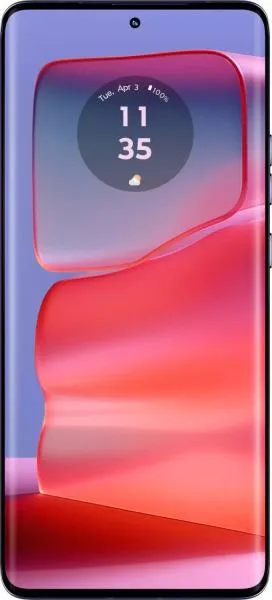
Let's dive into a comparative analysis of the Google Pixel 8 and the Motorola Edge 50 Pro, cutting through the spec sheet to uncover what truly matters for everyday use.
1. Specifications Breakdown
| Feature | Google Pixel 8 | Motorola Edge 50 Pro | Real-World Implications |
|---|---|---|---|
| Design | |||
| Dimensions | 150.5 x 70.8 x 8.9 mm | 161.2 x 72.4 x 8.2 mm | Pixel 8 is noticeably smaller and slightly thicker. Edge 50 Pro might feel less bulky. |
| Weight | 187g | 186g | Negligible weight difference; both feel substantial in hand. |
| Display | |||
| Size | 6.2" | 6.7" | Edge 50 Pro offers a larger screen for more immersive media consumption. |
| Type | OLED, 120Hz | P-OLED, 144Hz | Both offer vibrant colors and smooth scrolling; Edge 50 Pro has a slightly faster refresh rate and potentially deeper blacks. |
| Resolution | 1080 x 2400 | 1220 x 2712 | Edge 50 Pro boasts sharper visuals due to higher resolution. |
| Peak Brightness | 2000 nits | 2000 nits | Both excel in outdoor visibility. |
| Performance | |||
| Chipset | Google Tensor G3 | Snapdragon 7 Gen 3 | Tensor G3 is optimized for AI and machine learning, potentially offering a smoother, more personalized experience. Snapdragon 7 Gen 3 focuses on raw performance and efficiency. |
| CPU | Nona-core | Octa-core | Core count doesn't directly translate to performance; real-world usage will depend on optimization. |
| RAM | 8GB | 12GB | Edge 50 Pro's extra RAM could benefit multitasking and demanding applications. |
| Battery | |||
| Capacity | 4575 mAh | 4500 mAh | Similar battery capacities; real-world battery life will depend on usage patterns and software optimization. |
| Software | |||
| OS | Android 14 | Android 14 | Both run the latest Android version, but Pixel promises longer OS and security updates. |
2. Key Insights
The Pixel 8 shines with its compact design, Tensor G3's AI prowess, and guaranteed software updates. Its strength lies in a refined, integrated experience. The Motorola Edge 50 Pro counters with a larger, sharper display, higher RAM, and potentially superior gaming performance thanks to the Snapdragon 7 Gen 3 and the higher refresh rate.
3. User Profiles and Recommendations
Pixel 8: Ideal for users prioritizing a seamless software experience, compact form factor, and innovative AI features. Excellent for photography enthusiasts and those who value timely updates.
Motorola Edge 50 Pro: Suits users who crave a larger display for media consumption, demanding applications, and potentially longer battery life. Gamers might also prefer the Edge 50 Pro for its raw performance and higher refresh rate display.
4. Buying Decision Framework
- What matters most: software experience or raw performance? Pixel 8 for the former, Edge 50 Pro for the latter.
- Do you prioritize a compact phone or a larger screen? Pixel 8 for portability, Edge 50 Pro for immersive visuals.
- How important are long-term software updates? Pixel 8 offers a significant advantage in this area.
My Choice: Google Pixel 8
While the Motorola Edge 50 Pro boasts impressive specs, I'd choose the Google Pixel 8. The Tensor G3's AI-driven features, combined with Google's commitment to software updates and its cleaner Android experience are compelling. I prioritize a fluid, intelligent user experience, a compact form factor, and the assurance of long-term support. For me, those are more important than raw horsepower or a slightly larger display. The Pixel's focus on computational photography, likely leveraging the Tensor G3, also heavily influences my decision. While we lack camera specifics in this comparison, history suggests the Pixel will deliver a superior photographic experience.
