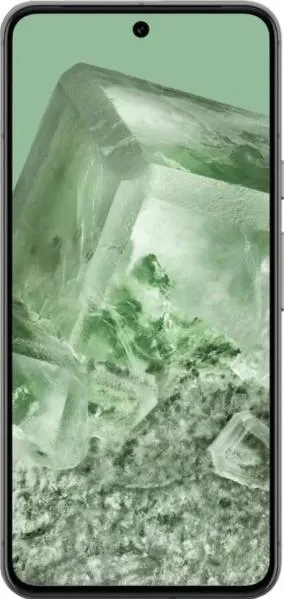
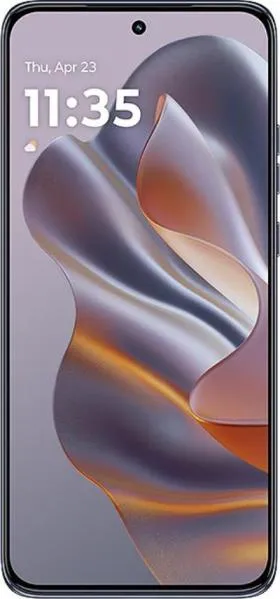
Let's dive into a comparative analysis of the Google Pixel 8 and the Motorola Edge 50 Neo, dissecting their specifications and translating them into real-world implications for you.
1. Specifications Breakdown
| Feature | Google Pixel 8 | Motorola Edge 50 Neo | Real-World Implications |
|---|---|---|---|
| Design | |||
| Dimensions | 150.5x70.8x8.9mm | 154.1x71.2x8.1mm | Pixel 8 is slightly smaller and thinner, potentially offering a more comfortable one-handed grip. |
| Weight | 187g | 171g | Edge 50 Neo is noticeably lighter, reducing hand fatigue during extended use. |
| Display | |||
| Size | 6.2" | 6.4" | Edge 50 Neo provides a slightly larger viewing area for media consumption. |
| Type | OLED, 120Hz | LTPO P-OLED, 120Hz | Both offer smooth scrolling and animations thanks to the 120Hz refresh rate; LTPO on the Edge might offer slightly better battery efficiency |
| Resolution | 1080x2400 | 1256x2760 | Edge 50 Neo boasts a sharper display with higher pixel density (474 ppi vs 428 ppi). |
| Peak Brightness | 2000 nits | 3000 nits | Edge 50 Neo should offer superior visibility in direct sunlight. |
| Performance | |||
| Chipset | Google Tensor G3 | Mediatek Dimensity 7300 | Both are 4nm chips, but Tensor G3 is generally expected to perform better in AI tasks and overall. |
| CPU | Nona-core | Octa-core | Core configuration differences might lead to subtle performance variations in specific applications. |
| GPU | Immortalis-G715s MC10 | Mali-G615 MC2 | Immortalis-G715s MC10 in Pixel 8 will deliver significantly better gaming and graphics performance |
| RAM | 8GB | 12GB | Edge 50 Neo's larger RAM could enable better multitasking and smoother performance with demanding apps. |
| Storage | 256GB | 512GB | Edge 50 Neo offers double the storage, ideal for users who store lots of media or large files. |
| Battery Life | |||
| Capacity | 4575 mAh | 4310 mAh | Pixel 8 has a slightly larger battery. Actual battery life depends on usage patterns and software optimization. |
| Other | |||
| OS | Android 14 | Android 14 | Both run the latest Android version, but Pixel phones typically receive faster and longer updates. |
| USB | USB Type-C 3.2 | USB Type-C 2.0 | Pixel 8 offers faster data transfer speeds. |
2. Key Insights
- Performance: The Pixel 8, powered by the Google Tensor G3, is likely to edge out the Edge 50 Neo in raw processing power, especially in AI-driven tasks and graphics-intensive applications. The Edge 50 Neo compensates with a larger RAM, which could provide a smoother multitasking experience.
- Display: While the Edge 50 Neo boasts a slightly larger and sharper display with a higher peak brightness, the Pixel 8's OLED panel is known for its excellent color accuracy and HDR performance.
- Software and Updates: Pixel phones are renowned for their clean Android experience and guaranteed timely updates directly from Google. This is a significant advantage over the Edge 50 Neo, which may receive slower and fewer OS updates.
3. User Profiles and Recommendations
- Pixel 8: Ideal for users who prioritize performance, a clean Android experience with prompt updates, a compact form factor, and a top-notch camera. Power users, photographers, and those embedded in the Google ecosystem would appreciate the Pixel 8.
- Edge 50 Neo: Best suited for users who value a large, bright, and sharp display, ample RAM and storage for multitasking and media consumption, and a more budget-friendly price point.
4. Buying Decision Framework
- What is your budget? The Edge 50 Neo is likely to be more affordable.
- Do you prioritize performance or battery life? Pixel 8 for performance; both have comparable battery capacities, but real-world usage will vary.
- How important are software updates to you? The Pixel 8 wins hands down in this department.
My Choice: I would choose the Google Pixel 8. While the Motorola Edge 50 Neo offers a tempting combination of a large display, ample RAM, and storage, the Pixel 8's superior performance, especially in the GPU department, cleaner software experience, guaranteed updates, and more compact form factor are more aligned with my priorities. The faster USB standard is a bonus for quicker data transfer. As a tech enthusiast, I value the performance headroom and the assurance of timely software updates, making the Pixel 8 a more compelling choice for me in the long run. I'm also willing to compromise on screen size and peak brightness for the overall package the Pixel 8 provides.
