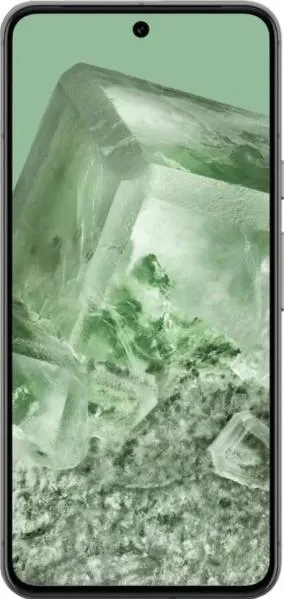
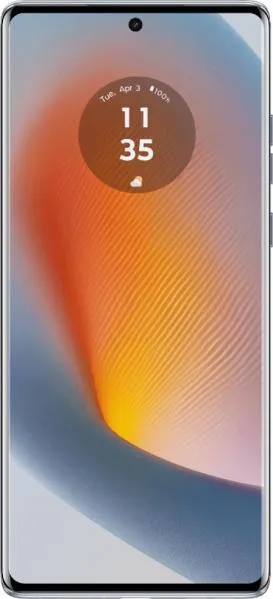
Let's dive into a comparative analysis of the Google Pixel 8 and the Motorola Edge 50 Fusion, dissecting their specifications and translating them into real-world implications for you.
1. Specifications Breakdown
| Feature | Google Pixel 8 | Motorola Edge 50 Fusion | Real-World Implications |
|---|---|---|---|
| Design | |||
| Dimensions | 150.5x70.8x8.9mm | 161.9x73.1x7.9mm | Pixel 8 is noticeably more compact, easier for one-handed use. Fusion is larger, potentially more immersive media consumption. |
| Weight | 187g | 174.9g | Fusion is slightly lighter, reducing hand fatigue during extended use. |
| Display | |||
| Size | 6.2" | 6.7" | Fusion offers a larger screen for media consumption and multitasking. Pixel 8 prioritizes portability. |
| Type | OLED, 120Hz | P-OLED, 120/144Hz | Both offer smooth scrolling and animations. OLED generally provides deeper blacks and better power efficiency. |
| Peak Brightness | 2000 nits | 1600 nits | Pixel 8's screen will be significantly brighter outdoors. |
| Resolution | 1080x2400 | 1080x2400 | Identical resolution; sharpness will be comparable due to Pixel's smaller screen size resulting in higher pixel density. |
| Performance | |||
| Chipset | Google Tensor G3 | Snapdragon 7s Gen 2 | Tensor G3 is Google's custom chip, optimized for AI and machine learning tasks. Snapdragon 7s Gen 2 is a capable mid-range chip. Performance differences will depend on specific tasks and optimizations. |
| CPU | Nona-core | Octa-core | Core configuration differences are less impactful than overall chip architecture and clock speeds for real-world performance. |
| GPU | Immortalis-G715s MC10 | Adreno 710 | Immortalis-G715 MC10 should deliver superior graphics performance for demanding games and applications. |
| RAM | 8GB | 8GB | Identical RAM capacity ensures smooth multitasking on both devices. |
| Battery Life | |||
| Capacity | 4575 mAh | 5000 mAh | Fusion boasts a larger battery, potentially leading to longer usage time. Actual battery life depends heavily on usage patterns. |
| Other | |||
| OS | Android 14 | Android 14 | Both run the latest Android version, ensuring feature parity and security updates. |
| OS Max Version | Android 21 | Android 17 | Pixel is projected to receive longer OS and security updates than the Motorola. |
| Storage | 256GB | 256GB | Both offer ample storage for apps, photos, and videos. |
2. Key Insights
- Performance: The Pixel 8, with its Tensor G3 chip, is likely to excel in AI-driven tasks, computational photography, and overall responsiveness. The Snapdragon 7s Gen 2 in the Fusion is a solid mid-range performer, but may not match the Tensor G3's raw power or specialized capabilities.
- Display: While both phones have similar resolutions, the Pixel 8's OLED display with its superior peak brightness will offer better visibility outdoors. The Fusion's larger display enhances media consumption but may feel less sharp due to lower pixel density.
- Battery Life: The Fusion's 5000 mAh battery suggests longer endurance, but the Pixel 8's more power-efficient Tensor G3 and smaller display could close the gap in real-world usage.
- Software and Updates: Google's commitment to long-term software support gives the Pixel 8 a significant advantage in terms of receiving timely updates and security patches compared to the Edge 50 Fusion. This is a crucial factor for long-term usability and device security.
3. User Profiles and Recommendations
- Pixel 8: Best suited for users who prioritize a compact form factor, cutting-edge AI features, a vibrant display, guaranteed software updates, and a seamless integration with Google services. Ideal for photography enthusiasts, power users, and those seeking a premium Android experience.
- Edge 50 Fusion: A compelling choice for users seeking a larger display for media consumption, a long-lasting battery, and a more budget-friendly option without compromising on core features. Well-suited for casual users, media consumers, and those prioritizing battery life.
4. Buying Decision Framework
- What is your budget and how important are long-term software updates? If budget is a primary concern and long-term OS support isn't critical, the Motorola Edge 50 Fusion offers strong value. If you prioritize software updates and are willing to invest a bit more, the Pixel 8 becomes a compelling option.
- Do you prioritize a compact phone for one-handed use or a larger display for media consumption? The Pixel 8's smaller size makes it incredibly pocketable and easy to use with one hand. If you prefer a larger screen for gaming, movies, and multitasking, the Edge 50 Fusion's 6.7-inch display will be more appealing.
- How important is camera performance and AI-driven features? If you are passionate about photography and value Google's computational photography prowess, the Pixel 8 is the clear winner. The Edge 50 Fusion still offers capable cameras, but likely won't match the Pixel's image quality or feature set.
My Choice: Google Pixel 8
While the Motorola Edge 50 Fusion offers a compelling package with its larger battery and display, I would choose the Google Pixel 8. The deciding factors for me are the superior software experience, guaranteed long-term updates, more powerful Tensor G3 chip, brighter display, and the compact form factor. I value a phone that remains fast, secure, and feature-rich for years to come. The Pixel's consistent performance, innovative camera capabilities, and seamless integration with the Google ecosystem align perfectly with my needs and priorities as a tech enthusiast. The slightly higher price is a worthwhile investment for the long-term benefits and superior user experience the Pixel 8 offers.
