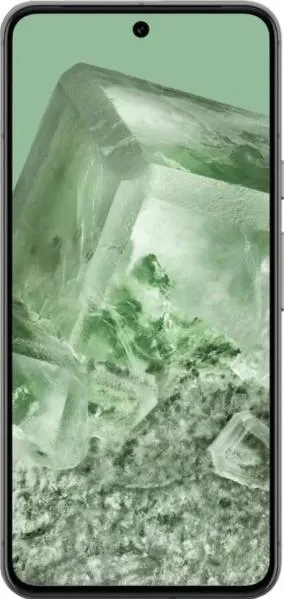
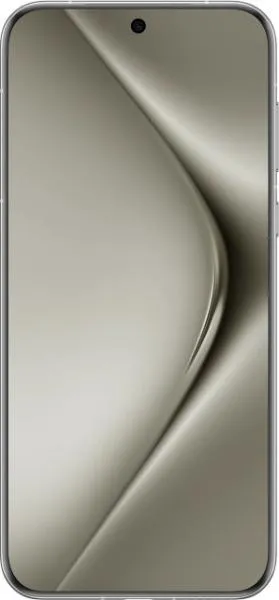
Let's dive into a comparative analysis of the Google Pixel 8 and the Huawei Pura 70 Pro, dissecting their specifications and translating them into real-world implications for you.
1. Specifications Breakdown
| Feature | Google Pixel 8 | Huawei Pura 70 Pro | Real-World Implications |
|---|---|---|---|
| Design | |||
| Dimensions | 150.5 x 70.8 x 8.9 mm | 162.6 x 75.1 x 8.4 mm | Pura 70 Pro is noticeably larger and slightly thinner. Pixel 8 might be more pocketable. |
| Weight | 187g | 220g | Pixel 8 is significantly lighter, reducing hand fatigue during extended use. |
| Display | |||
| Size | 6.2 inches | 6.8 inches | Pura 70 Pro offers a larger screen for more immersive media consumption. |
| Type | OLED, 120Hz | LTPO OLED, 120Hz | Both offer smooth scrolling and animations. LTPO on Pura 70 Pro could mean better battery efficiency. |
| Resolution | 1080 x 2400 | 1260 x 2844 | Pura 70 Pro boasts sharper visuals due to higher resolution. |
| Peak Brightness | 2000 nits | 2500 nits | Pura 70 Pro should offer better visibility in direct sunlight. |
| Performance | |||
| Chipset | Google Tensor G3 (4nm) | Kirin 9010 (7nm) | Tensor G3 is likely more power-efficient due to the smaller process node. |
| CPU | Nona-core | Octa-core | Core configuration differences require real-world benchmarking for accurate performance comparison. |
| GPU | Immortalis-G715s MC10 | 8 | More detailed GPU information is needed for the Pura 70 Pro for meaningful comparison. |
| RAM | 8GB | 12GB | Pura 70 Pro's higher RAM could allow for smoother multitasking. |
| Storage | 256GB | 512GB/1000GB | Pura 70 Pro offers significantly more storage. |
| Battery | |||
| Capacity | 4575 mAh | 5050 mAh | Pura 70 Pro likely offers longer battery life due to larger capacity. |
2. Key Insights
- Performance: While the Kirin 9010's specs seem competitive, the Tensor G3's newer 4nm architecture likely translates to better power efficiency and potentially superior performance per watt in real-world usage. We need more GPU details on the Pura 70 Pro to make a definitive call.
- Display: The Pura 70 Pro's larger, higher-resolution display with a brighter peak luminance will undoubtedly provide a more immersive visual experience. However, the Pixel 8's OLED display with a 120Hz refresh rate should still offer a smooth and vibrant viewing experience.
- Battery Life: The Pura 70 Pro's larger battery suggests longer endurance. However, real-world battery life depends heavily on software optimization, which is where Google excels.
- Software: A significant unknown is the Pura 70 Pro's operating system. Without knowing the OS and its version, it's impossible to evaluate the user experience fully. This lack of information is a major drawback.
3. User Profiles and Recommendations
- Pixel 8: Ideal for users prioritizing a smooth, compact, and lightweight phone with a clean Android experience, strong camera performance (not detailed here but historically a Pixel strength), and timely software updates.
- Pura 70 Pro: Suited for users who value a large, vibrant display, ample storage, and potentially longer battery life. However, the unknown OS situation creates significant uncertainty.
4. Buying Decision Framework
- Which operating system is crucial for you? If you value a pure Android experience with guaranteed updates, the Pixel 8 is the clear winner. The Pura 70 Pro's OS is a mystery, making it a risky proposition.
- How important is portability and one-handed use? The Pixel 8's smaller size and lighter weight make it more comfortable for single-hand operation and pocket carry.
- What's your budget and storage needs? The Pura 70 Pro offers more storage, but pricing details are needed to assess the value proposition of both devices.
My Choice: Based on the available information, I would choose the Google Pixel 8. The combination of a powerful and efficient processor, a smooth display, a clean Android experience, and Google's commitment to software updates makes it a compelling package. The uncertainties surrounding the Pura 70 Pro's operating system, coupled with its larger size and weight, make it less appealing despite its impressive hardware on paper. A known quantity, especially in software, trumps potentially superior specs in my book.
