Google Pixel 8 vs. Huawei Pura 70: A Comparative Analysis
The smartphone landscape is constantly evolving, with new contenders vying for our attention. Today, we'll dissect two intriguing devices: the Google Pixel 8 and the Huawei Pura 70. Both fall into the "medium price" range, but their distinct specifications cater to different needs and preferences. Let's dive into a detailed comparison to uncover which phone might be your perfect match.
1. Specifications Breakdown
| Feature | Google Pixel 8 | Huawei Pura 70 | Real-World Implications |
|---|---|---|---|
| Design | |||
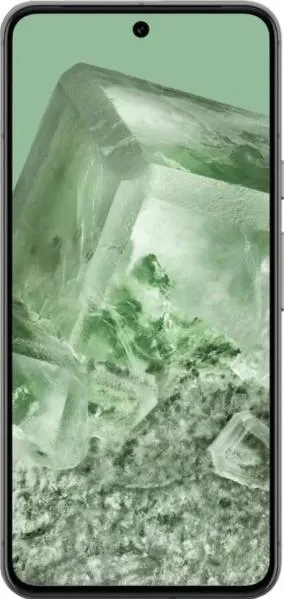
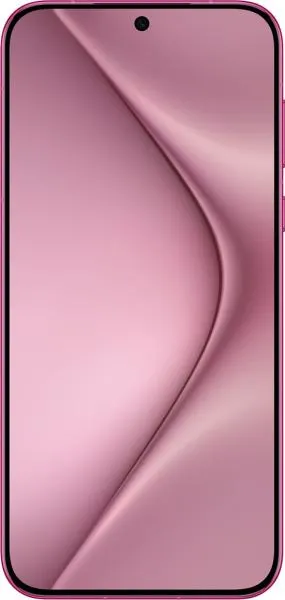
| Dimensions | 150.5x70.8x8.9mm | 157.6x74.3x8mm | Pixel 8 is slightly smaller and thinner, potentially offering a more comfortable one-handed grip. |
| Weight | 187g | 207g | Pixel 8 is noticeably lighter, reducing hand fatigue during extended use. |
| Display | |||
| Size | 6.2" | 6.6" | Pura 70 offers a larger screen for more immersive media consumption. |
| Type | OLED, 120Hz | LTPO OLED, 120Hz | Both boast smooth scrolling and animations thanks to the 120Hz refresh rate. LTPO on Pura 70 can dynamically adjust refresh rate for power saving. |
| Resolution | 1080x2400 | 1256x2760 | Pura 70 has a sharper display due to its higher resolution. |
| Peak Brightness | 2000 nits | 2500 nits | Pura 70 can get brighter, improving outdoor visibility. |
| Performance | |||
| Chipset | Google Tensor G3 | Kirin 9000S1 | Performance comparison requires real-world benchmarks, but both chipsets target high-end performance. |
| CPU | Nona-core | Octa-core | Core count doesn't directly translate to performance; architecture and clock speeds are crucial. |
| GPU | Immortalis-G715s MC10 | 8 | Immortalis-G715s MC10 should offer better gaming performance. |
| RAM | 8GB | 12GB | Pura 70's larger RAM enables better multitasking and app switching. |
| Storage | 256GB | 512GB | Pura 70 provides significantly more storage for apps, photos, and videos. |
| Battery | |||
| Capacity | 4575 mAh | 4900 mAh | Pura 70 has a larger battery, potentially leading to longer battery life. |
| Software | |||
| OS | Android 14 | Unknown | Pixel 8 benefits from timely Android updates and Google's software ecosystem. |
2. Key Insights
- Display: The Pura 70 boasts a larger, sharper, and brighter display, making it ideal for media consumption. The Pixel 8's display is still excellent, especially with its vibrant OLED technology and smooth 120Hz refresh rate.
- Performance: While both phones aim for high-end performance, the specific capabilities of the Kirin 9000S1 are unclear without benchmarks. The Pixel 8's Tensor G3 is known for its AI capabilities and smooth performance in everyday tasks. The Pura 70's 12GB RAM provides a significant advantage in multitasking.
- Battery: The Pura 70's larger battery suggests longer endurance, but real-world usage will determine actual battery life.
- Software: The Pixel 8's advantage lies in its pure Android experience, guaranteeing timely updates and seamless integration with Google services. The Pura 70's unknown OS presents a significant question mark regarding functionality and app availability, particularly given Huawei's current situation with Google Mobile Services.
3. User Profiles and Recommendations
- Pixel 8: Best suited for users prioritizing a clean Android experience, compact design, consistent performance, and timely software updates. Photographers and videographers will also appreciate Google's computational photography prowess (not detailed in the specs but a known Pixel strength).
- Pura 70: Potentially a good fit for users who value a large, vibrant display, ample storage and RAM for multitasking, and long battery life. However, the uncertainty surrounding the operating system and lack of Google services is a major consideration.
4. Buying Decision Framework
- Is a pure Android experience with guaranteed updates a priority? If yes, the Pixel 8 is the clear choice.
- How important is screen size and resolution? If a larger, sharper display is crucial, the Pura 70 has the edge.
- What is your budget and tolerance for uncertainty? The Pura 70's lack of OS details and potential lack of Google services introduces significant uncertainty.
My Choice: I would choose the Google Pixel 8. While the Pura 70 boasts impressive hardware on paper, the unknown OS and potential lack of Google services are dealbreakers for me. I value the seamless integration of Google's ecosystem, the guarantee of timely updates, and the Pixel's consistent performance and excellent camera capabilities (even without specific camera specs provided, this is a known Pixel strength). The slightly smaller size and lighter weight of the Pixel 8 are also appealing for daily use. Finally, while benchmarks are needed to compare the Tensor G3 and Kirin 9000S1 directly, I'd place more trust in a known quantity with a proven track record. The uncertainty surrounding the Pura 70 is simply too great to recommend it over the Pixel 8.
