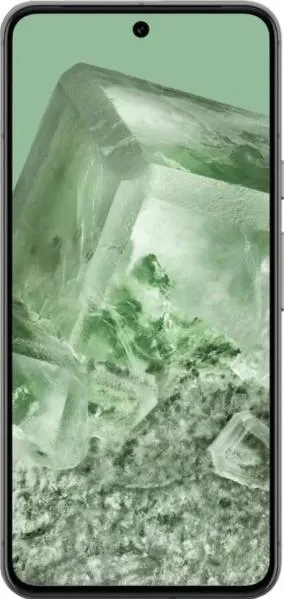
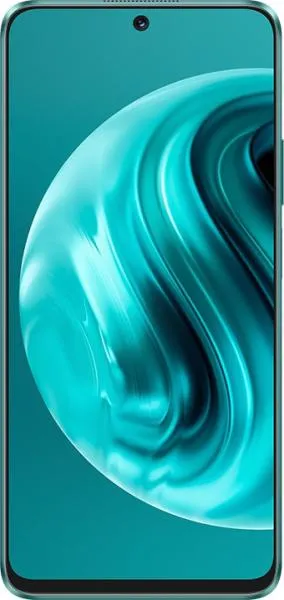
Google Pixel 8 vs. Huawei nova 12i: A Deep Dive for the Discerning User
The mid-range smartphone arena is heating up, with contenders like the Google Pixel 8 and Huawei nova 12i vying for your attention. As a tech journalist with an engineering background, I'm here to dissect these devices, going beyond the spec sheets to reveal what truly matters for your everyday experience.
1. Specifications Breakdown
Let's start with a detailed comparison, translating those cryptic numbers into real-world implications:
| Feature | Google Pixel 8 | Huawei nova 12i | Real-World Implications |
|---|---|---|---|
| Design | |||
| Dimensions | 150.5 x 70.8 x 8.9 mm | 163.3 x 74.7 x 8.4 mm | Pixel 8 is noticeably smaller and potentially easier to handle one-handed. Nova 12i is thinner. |
| Weight | 187g | 199g | Pixel 8 feels lighter in hand, reducing fatigue during extended use. |
| Display | |||
| Display Type | OLED, 120Hz, HDR10+ | IPS LCD, 90Hz | Pixel 8 offers richer blacks, vibrant colors, smoother scrolling, and better outdoor visibility due to OLED technology and higher refresh rate. |
| Resolution | 1080 x 2400 | 1080 x 2388 | Virtually identical sharpness; differences are negligible. |
| Peak Brightness | 2000 nits | Not Specified | Pixel 8's significantly higher brightness ensures excellent legibility even in direct sunlight. |
| Performance | |||
| Chipset | Google Tensor G3 (4nm) | Snapdragon 680 4G (6nm) | Pixel 8 boasts significantly superior processing power and AI capabilities due to Google's custom Tensor chip. Expect faster app launches, smoother multitasking, and enhanced AI-driven features. |
| CPU | Nona-core (Cortex-X3, A715, A510) | Octa-core (Cortex-A73, A53) | Pixel 8's more modern CPU architecture delivers a substantial performance advantage in demanding tasks and gaming. |
| GPU | Immortalis-G715s MC10 | Adreno 610 | Pixel 8's superior GPU translates to smoother graphics and better gaming performance. |
| RAM | 8GB | 8GB | Both offer ample RAM for multitasking, though the Pixel 8's superior processor will better utilize it. |
| Battery | |||
| Capacity | 4575 mAh | 5000 mAh | Nova 12i has a larger battery capacity, potentially offering longer battery life. However, the Pixel 8's more efficient processor could offset this difference. |
| Software | |||
| OS | Android 14 | Not Specified | Pixel 8 runs the latest Android version with guaranteed updates, ensuring access to new features and security patches. The unspecified OS on the Nova 12i raises concerns about long-term support and features. |
| Other | |||
| Video Capabilities | Up to 4K@60fps, 1080p@240fps | 1080p@30fps | Pixel 8 offers significantly better video recording capabilities with higher resolution, frame rates, and stabilization. |
2. Key Insights
The Pixel 8 clearly leads in performance, display quality, and software. Its Tensor G3 chip delivers a substantial advantage in speed, AI capabilities, and overall responsiveness. The vibrant OLED display with a 120Hz refresh rate provides a superior visual experience. Furthermore, the Pixel 8 benefits from Google's commitment to timely software updates.
The Nova 12i's strengths lie primarily in its larger battery capacity and potentially lower price point (although pricing information isn't provided). However, the lack of information regarding its operating system is a major red flag.
3. User Profiles and Recommendations
Pixel 8: Ideal for users who prioritize performance, a premium display, a smooth user experience, consistent software updates, and advanced camera features. This phone excels in demanding tasks, gaming, content creation, and photography.
Nova 12i: Suitable for budget-conscious users who prioritize battery life and basic functionality. However, the lack of OS details makes it difficult to confidently recommend this phone until more information is available.
4. Buying Decision Framework
- How important is performance and a fluid user experience? If speed and responsiveness are paramount, the Pixel 8's Tensor G3 chip is the clear winner.
- Is display quality a top priority? The Pixel 8's OLED display with a 120Hz refresh rate offers a significantly better visual experience than the Nova 12i's IPS LCD.
- How much do you value software updates and the latest features? The Pixel 8 guarantees timely updates, while the Nova 12i's software situation is unclear.
My Choice: Google Pixel 8
Given the available information, I would choose the Google Pixel 8 without hesitation. Its superior performance, stunning display, guaranteed software updates, and advanced camera capabilities outweigh the Nova 12i's potential advantages in battery life and price. The unspecified OS on the Nova 12i raises too many concerns about long-term usability and support. In the fast-paced world of mobile technology, investing in a device with a clear roadmap for the future, like the Pixel 8, is a crucial consideration. For me, the Pixel 8 represents a more future-proof and satisfying user experience.
