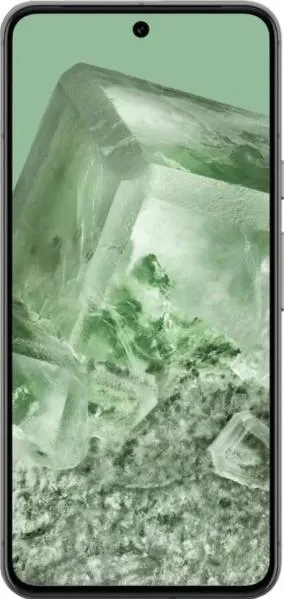
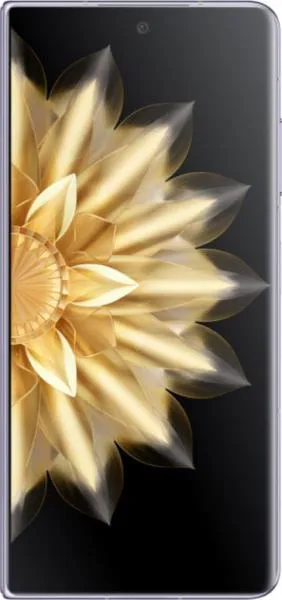
Let's dive into a comparative analysis of the Google Pixel 8 and the Honor Magic V3, dissecting their specifications and translating them into real-world implications for you.
1. Specifications Breakdown
| Feature | Google Pixel 8 | Honor Magic V3 | Real-World Implications |
|---|---|---|---|
| Design | |||
| Dimensions | 150.5 x 70.8 x 8.9 mm | 156.6 x 145.3 x 4.35 mm (folded) | Pixel 8: More pocketable; Magic V3: Compact when folded, expansive screen when unfolded. |
| Weight | 187g | 226g | Pixel 8: Noticeably lighter for one-handed use; Magic V3: Heavier due to the folding mechanism and larger battery. |
| Foldable | No | Yes | Magic V3 offers a larger screen real estate for multitasking and media consumption but with added bulk. |
| Display | |||
| Size | 6.2" | 7.92" (unfolded) | Pixel 8: Comfortable for one-handed use; Magic V3: Tablet-like experience when unfolded. |
| Type | OLED, 120Hz | Foldable LTPO AMOLED, 120Hz | Both offer smooth scrolling and animations thanks to the 120Hz refresh rate; Magic V3's LTPO panel potentially allows for more granular refresh rate control, saving battery. |
| Resolution | 1080 x 2400 | 2156 x 2344 | Magic V3: Sharper, more detailed visuals due to higher resolution and pixel density. |
| Peak Brightness | 2000 nits | 1800 nits | Pixel 8: Slightly brighter for better outdoor visibility; both offer excellent brightness. |
| Performance | |||
| Chipset | Google Tensor G3 | Snapdragon 8 Gen 3 | Both are flagship processors, but the Snapdragon 8 Gen 3 generally benchmarks higher in raw performance. Tensor G3 is optimized for AI and machine learning tasks. |
| CPU | Nona-core | Octa-core | Both offer top-tier processing power; core configuration differences likely translate to minor performance nuances in specific tasks. |
| GPU | Immortalis-G715s MC10 | Adreno 750 | Adreno 750 generally delivers stronger graphics performance for gaming and demanding visual tasks. |
| RAM | 8GB | 12GB/16GB | Magic V3: More RAM enables smoother multitasking and handling of demanding applications. |
| Storage | 256GB | 512GB | Magic V3: Double the storage capacity for more apps, photos, and videos. |
| Battery | |||
| Capacity | 4575 mAh | 5000 mAh | Magic V3: Larger battery capacity likely translates to longer usage time, crucial for powering the larger foldable display. |
2. Key Insights
- Pixel 8: Focuses on a refined, pocketable experience with Google's signature AI-powered software and computational photography prowess. Its Tensor G3 chip might not outperform the Snapdragon 8 Gen 3 in benchmarks, but it excels in tasks like voice recognition, language processing, and on-device AI.
- Magic V3: Offers a groundbreaking foldable design with a larger, more immersive display. Its superior hardware in terms of raw processing power, RAM, and storage makes it a multitasking powerhouse.
3. User Profiles and Recommendations
- Pixel 8: Ideal for users who prioritize a smooth, intuitive software experience, compact form factor, and excellent camera capabilities. Best suited for those embedded in the Google ecosystem.
- Magic V3: Perfect for power users, multitaskers, and content consumers who crave a larger screen and top-of-the-line hardware. The foldable design caters to those who value portability and a large screen for productivity and entertainment on the go.
4. Buying Decision Framework
- What is your budget? The Pixel 8 falls in the medium price range, while the Magic V3 sits in the high price bracket.
- How important is portability versus screen size? Prioritize the Pixel 8 for pocketability and one-handed use. Choose the Magic V3 if a larger, foldable screen is a must-have.
- What is your primary use case? The Pixel 8 excels in everyday tasks, photography, and AI-powered features. The Magic V3 shines in multitasking, media consumption, and demanding applications.
My Choice: While I deeply appreciate the engineering marvel of the Honor Magic V3, I would personally choose the Google Pixel 8. My priorities lie in a seamless software experience, excellent camera performance, and a device that effortlessly fits in my pocket. The Pixel's AI-powered features align with my workflow, and I value the lighter, more compact form factor for daily use. While the Magic V3's larger screen is tempting, the added bulk and higher price point don't outweigh the benefits of the Pixel 8 for my personal needs. I'm also deeply entrenched in the Google ecosystem, which further solidifies my decision.
