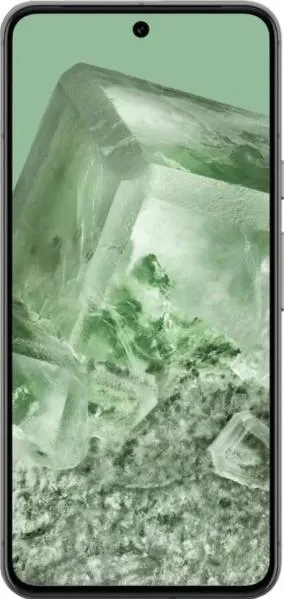
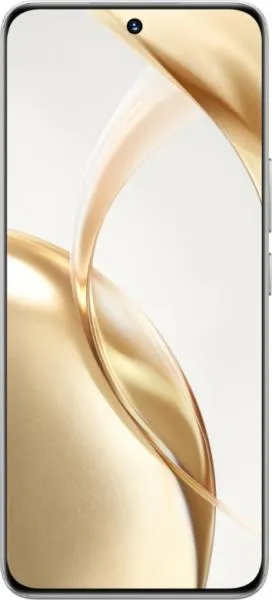
Let's dive into a comparative analysis of the Google Pixel 8 and the Honor 200, dissecting their specifications and translating them into real-world implications for you.
1. Specifications Breakdown
| Feature | Google Pixel 8 | Honor 200 | Real-World Implications |
|---|---|---|---|
| Design | |||
| Dimensions | 150.5 x 70.8 x 8.9 mm | 161.5 x 74.6 x 7.7 mm | Pixel 8 is noticeably smaller and slightly thicker, potentially offering a more comfortable one-handed grip. |
| Weight | 187g | 187g | Identical weight, despite size difference. Suggests denser materials in the Pixel 8. |
| Display | |||
| Size | 6.2" | 6.7" | Honor 200 boasts a larger screen, better for media consumption but potentially less pocketable. |
| Type | OLED, 120Hz | OLED, 120Hz | Both offer smooth scrolling and vibrant colors thanks to OLED technology and high refresh rates. |
| Peak Brightness | 2000 nits | 4000 nits | Honor 200's significantly higher peak brightness ensures superior outdoor visibility. |
| Resolution | 1080 x 2400 | 1200 x 2664 | Honor 200 has a sharper display due to higher resolution, but the difference might be subtle. |
| Performance | |||
| Chipset | Google Tensor G3 | Snapdragon 7 Gen 3 | Tensor G3 is Google's custom silicon, optimized for AI and machine learning tasks. Snapdragon 7 Gen 3 is a solid mid-range performer. |
| CPU | Nona-core | Octa-core | Core count differences are less significant than architectural differences and clock speeds, both of which favor the Tensor G3, though benchmarks would be needed to confirm. |
| GPU | Immortalis-G715s MC10 | Adreno 720 | Immortalis G715 should offer superior graphics performance, particularly in demanding games. |
| RAM | 8GB | 12GB | Honor 200's extra RAM could provide better multitasking and app switching performance. |
| Storage | 256GB | 256/512GB | Honor offers a 512GB option for users needing more storage. |
| Battery Life | |||
| Capacity | 4575 mAh | 5200 mAh | Honor 200 has a significantly larger battery, likely translating to longer usage time. |
| Other | |||
| OS | Android 14 | Android 14 | Both run the latest Android version, offering the newest features and security updates. |
| USB | USB Type-C 3.2 | USB Type-C 2.0 | Pixel 8's faster USB standard allows for quicker data transfer and potentially faster charging. |
| Video | Up to 4K@240fps | Up to 4K@30fps | Pixel offers significantly more robust video recording capabilities, including higher frame rates and slow-motion options. |
2. Key Insights
The Pixel 8 prioritizes a compact, premium feel with its powerful Tensor G3 chip, focusing on AI-powered features and a smooth user experience. Its strengths lie in computational photography, software optimizations, and a clean Android experience.
The Honor 200 emphasizes visual immersion with its larger, brighter display and a longer-lasting battery. It offers a more conventional, yet capable, mid-range experience with ample RAM and storage options.
3. User Profiles and Recommendations
Pixel 8: Ideal for users who value a compact phone with top-tier performance, a clean Android experience, and cutting-edge camera technology. Best for those who prioritize software experience, frequent photography/videography, and a pocket-friendly design.
Honor 200: Suits users who prioritize a large, vibrant display, long battery life, and ample storage. Best for media consumption, multitasking, and users who don't demand the absolute highest processing power.
4. Buying Decision Framework
- What matters most: software experience or screen size/battery? Pixel 8 excels in the former, Honor 200 in the latter.
- Is photography a priority? Pixel 8's computational photography and superior video capabilities make it the clear winner.
- What's your budget? Both are mid-range, but specific pricing will heavily influence the final decision.
My Choice: Google Pixel 8
While the Honor 200 offers a compelling package with its large display and battery, I would choose the Google Pixel 8. The Tensor G3's focus on AI and machine learning, coupled with Google's renowned software expertise, promises a more refined and intelligent user experience. The superior video capabilities and likely faster overall performance, thanks to the more powerful CPU/GPU combination, further solidify its appeal. I prioritize a smooth, responsive phone with a best-in-class camera, and the Pixel 8 seems to deliver precisely that, even with a slightly smaller battery and screen. The faster USB standard is also a significant plus for me. Ultimately, the Pixel's tighter integration of hardware and software, driven by Google's own silicon, is a differentiating factor that I find compelling.
