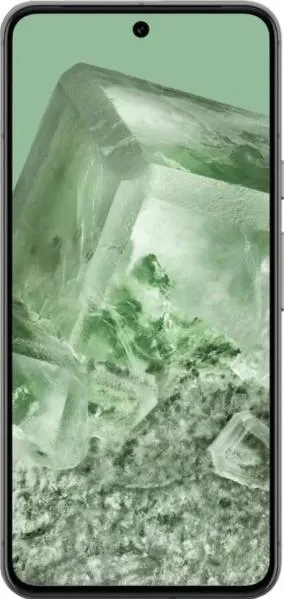
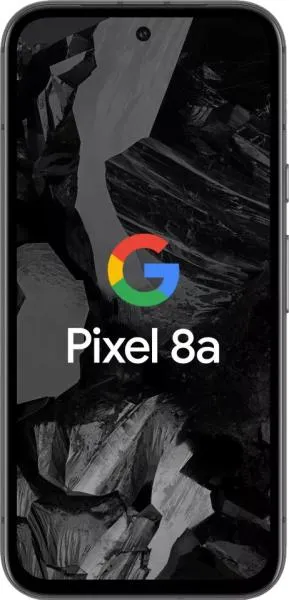
Let's dive into a comparative analysis of the Google Pixel 8 and the Google Pixel 8a, dissecting their specifications and uncovering what they truly mean for the everyday user.
1. Specifications Breakdown
| Feature | Google Pixel 8 | Google Pixel 8a | Real-World Implications |
|---|---|---|---|
| Design | |||
| Dimensions | 150.5x70.8x8.9mm | 152.1x72.7x8.9mm | Pixel 8 is slightly smaller and narrower; 8a is slightly taller and wider. |
| Weight | 187g | 188g | Negligible weight difference; both feel substantial in hand. |
| Display | |||
| Size | 6.2" | 6.1" | Pixel 8 offers marginally more screen real estate. |
| Type | OLED, 120Hz, HDR10+, 1400 nits (HBM), 2000 nits (peak) | OLED, HDR, 120Hz, 2000 nits (peak) | Pixel 8 boasts HDR10+ for better color accuracy and potentially higher sustained brightness. |
| Resolution | 1080x2400 | 1080x2400 | Identical resolution; sharpness is comparable on both devices. |
| Performance | |||
| Chipset | Google Tensor G3 | Google Tensor G3 | Identical processing power; expect similar performance in apps and games. |
| RAM | 8GB | 8GB | Same RAM capacity; multitasking capabilities should be comparable. |
| Storage | 256GB | 256GB | Equal storage capacity for apps, photos, and videos. |
| Camera | |||
| Video Capabilities | More extensive HDR and stabilization options | OIS only | Pixel 8 likely produces superior video quality in various lighting and motion scenarios. |
| Battery Life | |||
| Capacity | 4575mAh | 4492mAh | Pixel 8 has a slightly larger battery, potentially translating to longer usage time. |
2. Key Insights
Both phones share the same powerful Tensor G3 processor and 8GB of RAM, ensuring smooth performance for demanding tasks and gaming. The Pixel 8's slight edge in battery capacity suggests potentially longer usage time, but real-world battery life depends heavily on individual usage patterns.
The most significant differentiators lie in the display and camera. The Pixel 8's HDR10+ support and higher typical brightness could deliver a more vibrant and detailed viewing experience, especially in HDR content. The more comprehensive video stabilization and HDR options on the Pixel 8 point to a clear advantage in video recording quality.
3. User Profiles and Recommendations
Pixel 8: Best suited for users who prioritize a premium display and superior video recording capabilities. Content creators, mobile photographers, and those who consume a lot of HDR video would appreciate the Pixel 8's enhancements.
Pixel 8a: An excellent choice for users seeking flagship-level performance at a potentially more affordable price point. Those who prioritize value and don't require the absolute best display or video recording features might find the 8a a compelling option.
4. Buying Decision Framework
1. Is a top-tier display and HDR content consumption crucial to you? If yes, the Pixel 8's HDR10+ display is the clear winner.
2. How important is video recording quality? If you frequently capture videos, the Pixel 8's advanced stabilization and HDR capabilities will make a noticeable difference.
3. What's your budget? The Pixel 8a, typically positioned as the more affordable option, might offer greater value if display and video recording are not primary concerns.
My Choice: Google Pixel 8
While the Pixel 8a offers incredible value, I would choose the Google Pixel 8. The slightly improved display with HDR10+ is a significant factor for me, as I consume a lot of visual content. Furthermore, the superior video recording capabilities of the Pixel 8 align with my preference for capturing high-quality videos. While the price difference might exist, the enhancements in the display and camera departments justify the investment for my personal needs and usage patterns. The marginally smaller size of the Pixel 8 also appeals to my preference for a more compact phone.
