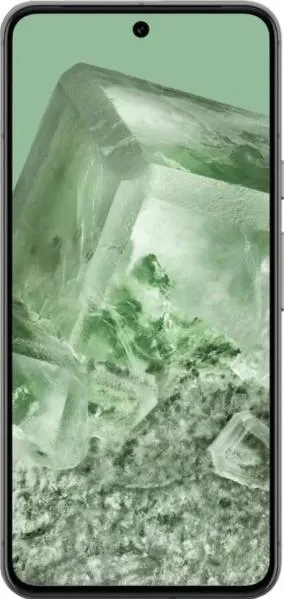
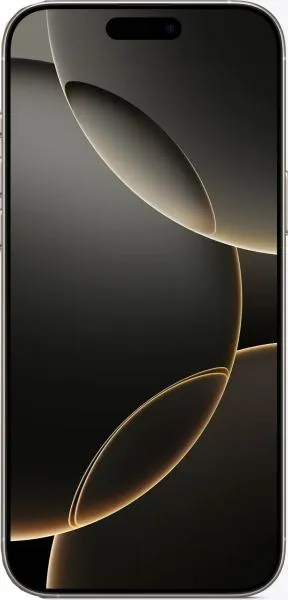
Let's dive into a comparative analysis of the Google Pixel 8 and the Apple iPhone 16 Pro Max, dissecting their specifications and uncovering what they truly offer users in the real world.
1. Specifications Breakdown
| Feature | Google Pixel 8 | Apple iPhone 16 Pro Max | Real-World Implications |
|---|---|---|---|
| Design | |||
| Dimensions | 150.5x70.8x8.9mm | 163x77.6x8.3mm | Pixel 8 is noticeably smaller and lighter, offering better one-handed usability. iPhone 16 Pro Max boasts a slimmer profile. |
| Weight | 187g | 227g | Pixel 8 is significantly lighter, reducing hand fatigue during extended use. |
| Display | |||
| Size | 6.2" | 6.9" | iPhone 16 Pro Max provides a larger canvas for media consumption and multitasking. |
| Type | OLED, 120Hz | LTPO Super Retina XDR OLED, 120Hz | Both offer smooth scrolling and responsiveness. LTPO on the iPhone allows for more granular refresh rate control, potentially saving battery. |
| Resolution | 1080x2400 | 1320x2868 | iPhone 16 Pro Max has a sharper display due to higher resolution and pixel density. |
| Peak Brightness | 2000 nits | 2000 nits | Both excel in outdoor visibility with equally high peak brightness. |
| Performance | |||
| Chipset | Google Tensor G3 | Apple A18 Pro | A18 Pro is expected to deliver superior raw performance, but Tensor G3 excels in AI-powered tasks and computational photography. |
| CPU | Nona-core | Hexa-core | Core count doesn't directly translate to real-world performance; architecture and optimization are key. |
| GPU | Immortalis-G715s MC10 | Apple GPU (6-core) | A18 Pro's GPU likely offers a significant advantage in graphics-intensive tasks and gaming. |
| RAM | 8GB | 8GB | Both phones have ample RAM for smooth multitasking. |
| Battery Life | |||
| Capacity | 4575 mAh | 4685 mAh | iPhone 16 Pro Max has a slightly larger battery, but real-world battery life depends heavily on optimization and usage patterns. |
2. Key Insights
- Performance: The A18 Pro in the iPhone 16 Pro Max will likely outperform the Tensor G3 in benchmarks and demanding games. However, the Pixel 8 will likely excel in AI-driven features, such as voice assistance, real-time translation, and photography.
- Display: While both displays offer vibrant colors and smooth 120Hz refresh rates, the iPhone 16 Pro Max's larger size and slightly higher resolution cater to users who prioritize media consumption and immersive experiences. The Pixel 8's more compact display benefits one-handed usability.
- Software Experience: This boils down to personal preference. iOS is known for its simplicity and tight ecosystem, while Android offers greater customization and flexibility. Pixel phones enjoy the purest Android experience with faster updates.
- Size and Weight: The Pixel 8's compact form factor makes it more pocketable and comfortable for extended use. The iPhone 16 Pro Max, while larger and heavier, feels premium and substantial in hand.
3. User Profiles and Recommendations
- Pixel 8: Ideal for users who prioritize a compact and lightweight phone with a clean Android experience, excellent camera capabilities, and innovative AI features. Its lower price point makes it a strong value proposition.
- iPhone 16 Pro Max: Best suited for users seeking a premium, large-screen experience with top-tier performance, a polished ecosystem, and a longer expected software update cycle. Those heavily invested in the Apple ecosystem will naturally gravitate towards this device.
4. Buying Decision Framework
- What size phone do you prefer? If you value one-handed usability and pocketability, the Pixel 8 is the clear winner. If you crave a large screen for media consumption and multitasking, the iPhone 16 Pro Max is the better choice.
- What operating system do you prefer? Android offers more customization options, while iOS provides a simpler, more streamlined experience.
- What's your budget? The Pixel 8 offers a compelling combination of features at a lower price point than the iPhone 16 Pro Max.
My Choice: Google Pixel 8
While the iPhone 16 Pro Max boasts impressive specs, I would choose the Google Pixel 8. My decision hinges on the following:
- Value Proposition: The Pixel 8 offers a compelling blend of performance, innovative features (particularly in AI and camera technology), and a clean Android experience at a more accessible price point.
- Form Factor: I strongly prefer compact phones for their superior ergonomics and one-handed usability. The Pixel 8's lighter weight is a significant advantage for me.
- Android Ecosystem: I appreciate the flexibility and customization options within the Android ecosystem. The Pixel's pure Android experience and guaranteed timely updates are highly appealing.
While the iPhone 16 Pro Max undoubtedly delivers a premium experience, the Pixel 8 better aligns with my personal priorities and offers a more compelling balance of features, usability, and price. For me, it's the smarter choice.
