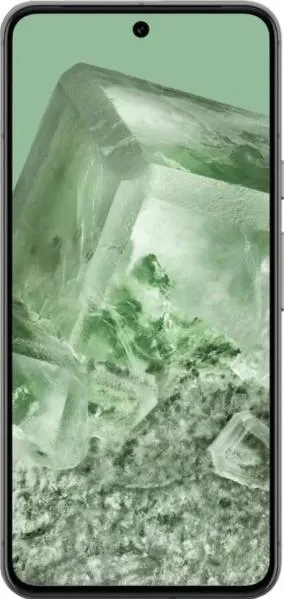
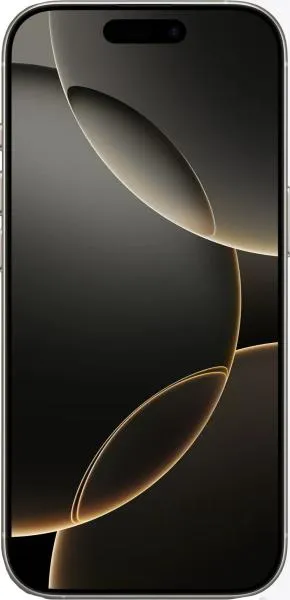
Google Pixel 8 vs. Apple iPhone 16 Pro: A Deep Dive
Let's dissect the Google Pixel 8 and Apple iPhone 16 Pro, going beyond the spec sheet to uncover what these phones truly offer in the real world.
1. Specifications Breakdown
| Feature | Google Pixel 8 | Apple iPhone 16 Pro | Real-World Implications |
|---|---|---|---|
| Design | |||
| Dimensions | 150.5x70.8x8.9mm | 149.6x71.5x8.3mm | iPhone 16 Pro is slightly smaller and thinner. Negligible difference in hand. |
| Weight | 187g | 199g | Pixel 8 is noticeably lighter, reducing hand fatigue during extended use. |
| Build Materials | Aluminum frame, Gorilla Glass Victus | Stainless steel frame, Ceramic Shield front | iPhone 16 Pro boasts potentially higher durability due to materials. |
| Display | |||
| Size | 6.2" | 6.3" | Virtually identical screen real estate. |
| Type | OLED, 120Hz | LTPO Super Retina XDR OLED, 120Hz | Both offer smooth scrolling and responsiveness. iPhone boasts potentially better power efficiency and higher peak brightness in some scenarios. |
| Resolution | 1080x2400 | 1206x2622 | iPhone 16 Pro has a sharper display due to higher pixel density (460 vs 428 ppi). |
| Peak Brightness | 2000 nits | 2000 nits | Both excel in outdoor visibility but implementation (HBM vs typical) may lead to differences. |
| Performance | |||
| Chipset | Google Tensor G3 (4nm) | Apple A18 Pro (3nm) | A18 Pro likely offers a performance advantage due to newer process node and architectural improvements. |
| CPU | Nona-core | Hexa-core | Core count isn't everything; real-world performance depends on architecture and optimization. |
| GPU | Immortalis-G715s MC10 | Apple GPU (6-core) | Apple's custom GPU traditionally excels in graphics performance, but real-world gaming and demanding tasks will determine true capabilities. |
| RAM | 8GB | 8GB | Same RAM capacity. |
| Battery Life | |||
| Capacity | 4575 mAh | 3582 mAh | Pixel 8 has a significantly larger battery, suggesting potentially longer battery life. |
Note: Camera specifications were not provided and therefore not included in this comparison.
2. Key Insights
- Performance: The iPhone 16 Pro, with its A18 Pro chip, likely holds a performance edge, especially in graphics-intensive tasks. However, the Tensor G3 focuses on AI and machine learning, potentially offering a superior experience in areas like photography, voice assistance, and contextual awareness.
- Display: While both displays are excellent, the iPhone 16 Pro boasts a slightly sharper screen due to higher pixel density. The practical difference may be minimal for most users. Real-world brightness levels, especially sustained brightness in HDR content, need further testing to definitively compare.
- Battery Life: The Pixel 8's larger battery capacity suggests a potential advantage in longevity. However, iOS's power efficiency could offset this difference. Real-world usage patterns will heavily influence battery performance.
- Software and Ecosystem: This is a fundamental difference. Android 14 on the Pixel offers customization and flexibility, while iOS 18 prioritizes simplicity and a tightly controlled ecosystem. This choice often comes down to personal preference.
3. User Profiles and Recommendations
- Pixel 8: Ideal for users who prioritize a clean Android experience, value Google's AI-powered features, desire a potentially longer battery life, and prefer a lighter phone. Excellent choice for photography enthusiasts (pending camera details).
- iPhone 16 Pro: Suited for users entrenched in the Apple ecosystem, demanding top-tier performance for gaming or creative tasks, and who prefer the polished and consistent iOS experience.
4. Buying Decision Framework
- Which ecosystem are you invested in? Your existing apps, services, and device preferences (e.g., Apple Watch, AirPods) should heavily influence this decision.
- What are your performance priorities? Gamers and power users might lean towards the iPhone 16 Pro. If you prioritize AI-driven features and a smooth, everyday experience, the Pixel 8 could be a better fit.
- How important is battery life? While real-world testing is needed, the Pixel 8's larger battery suggests an advantage in this area.
My Choice: As a tech journalist who values both performance and a clean software experience, I'd lean towards the Pixel 8. Its larger battery, lighter weight, and pure Android experience, combined with Google's prowess in AI and computational photography (assuming the camera lives up to Pixel standards), are compelling. While the iPhone 16 Pro likely offers a performance advantage, the Pixel 8 seems to provide a more well-rounded package for my daily needs and priorities. Furthermore, I appreciate the potential for longer stretches between charges, given my busy schedule. Finally, the price difference between "medium" and "high" price ranges might be a deciding factor for many, including myself, if real-world performance differences are minimal.
