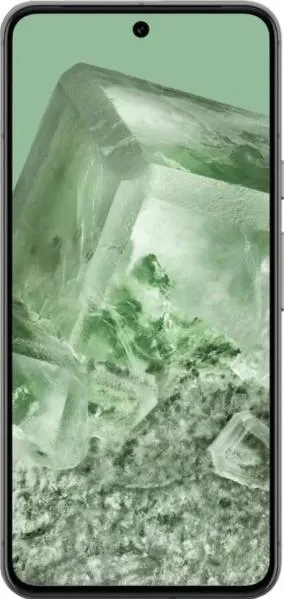
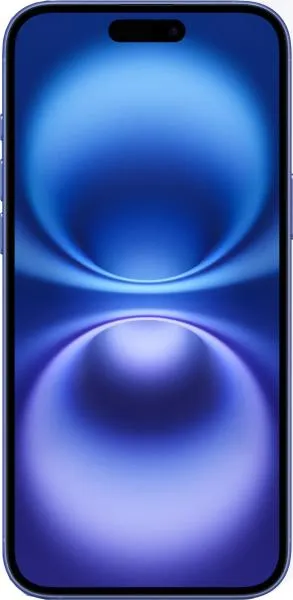
Let's dive into a comparative analysis of the Google Pixel 8 and the Apple iPhone 16 Plus, dissecting their specifications and translating them into real-world implications for you.
1. Specifications Breakdown
| Feature | Google Pixel 8 | Apple iPhone 16 Plus | Real-World Implications |
|---|---|---|---|
| Design | |||
| Dimensions | 150.5x70.8x8.9mm | 160.9x77.8x7.8mm | iPhone 16 Plus is noticeably larger; Pixel 8 is more compact and potentially easier to handle one-handed. |
| Weight | 187g | 199g | Pixel 8 is lighter, reducing hand fatigue during extended use. |
| Build Materials | N/A | N/A | Build quality impacts durability and premium feel; information needed for comprehensive comparison. |
| Display | |||
| Size | 6.2" | 6.7" | iPhone 16 Plus offers a larger screen for immersive content consumption; Pixel 8 prioritizes one-handed usability. |
| Type | OLED, 120Hz | Super Retina XDR OLED | Both use high-quality OLED panels; Pixel 8 has a faster refresh rate for smoother scrolling and animations. |
| Resolution | 1080x2400 | 1290x2796 | iPhone 16 Plus boasts a sharper display due to higher pixel density. |
| Peak Brightness | 2000 nits | 2000 nits | Both offer excellent peak brightness for outdoor visibility. |
| Performance | |||
| Chipset | Google Tensor G3 | Apple A18 | Both are flagship processors, but architectural differences and real-world benchmarks will determine true performance. |
| CPU | Nona-core | Hexa-core | Core count doesn't directly translate to performance; architecture and efficiency are key factors. |
| GPU | Immortalis-G715s MC10 | Apple GPU (5-core) | GPU performance impacts gaming and graphically intensive tasks; real-world testing needed for comparison. |
| RAM | 8GB | 8GB | Both have ample RAM for smooth multitasking. |
| Battery Life | |||
| Capacity | 4575 mAh | 4674 mAh | iPhone 16 Plus has a slightly larger battery, but real-world usage patterns will determine actual battery life. |
| Other | |||
| OS | Android 14 | iOS 18 | Operating system preference is subjective; consider ecosystem, app availability, and user interface differences. |
| Storage | 256GB | 256/512GB | iPhone 16 Plus offers a 512GB option for users needing more storage. |
2. Key Insights
- Display: The iPhone 16 Plus's larger, sharper display caters to media consumption. The Pixel 8's 120Hz refresh rate ensures a smoother user interface.
- Performance: Both phones pack powerful processors. Real-world benchmarks will reveal the A18's potential performance advantage over the Tensor G3. The Tensor G3, however, often excels in AI-driven tasks.
- Software: The biggest differentiator is the operating system. Android 14 offers customization and flexibility, while iOS 18 prioritizes ease of use and a tightly controlled ecosystem.
- Size and Weight: The Pixel 8's smaller form factor makes it more pocketable and comfortable for one-handed use. The iPhone 16 Plus is larger and heavier, but provides a more expansive canvas for content.
3. User Profiles and Recommendations
- Pixel 8: Ideal for users who value a compact phone with a smooth display, the latest Android features, and Google's AI-powered software enhancements. Best for those embedded in the Google ecosystem.
- iPhone 16 Plus: Suited for users who prioritize a large, sharp display for media consumption, prefer the iOS ecosystem, and value Apple's consistent performance and long-term software support.
4. Buying Decision Framework
- What screen size do you prefer? Larger display (iPhone 16 Plus) or a more compact phone (Pixel 8)?
- Which operating system aligns with your needs and preferences? Open and customizable (Android) or streamlined and user-friendly (iOS)?
- What is your budget and storage requirement? The iPhone 16 Plus offers a 512GB option at a higher price point.
My Choice
If I were choosing between these two, I'd lean towards the Pixel 8. While the iPhone 16 Plus boasts a larger, sharper display, I prioritize the Pixel's more compact form factor and the flexibility of Android. The 120Hz display is a major draw for me, as I find it significantly enhances the day-to-day user experience. Furthermore, I appreciate the tighter integration with Google services and the generally faster updates that Pixel phones receive. Ultimately, the Pixel 8 strikes a better balance between size, performance, and features for my personal needs.
