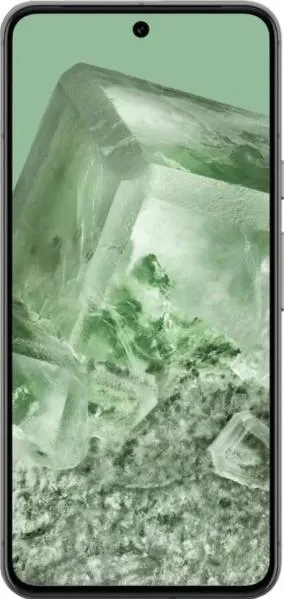
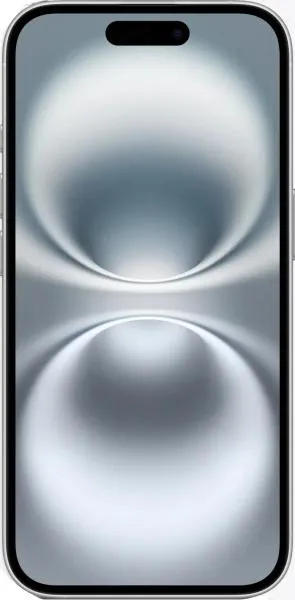
Google Pixel 8 vs. Apple iPhone 16: A Deep Dive
The smartphone landscape is ever-evolving, and 2024 brings us two compelling contenders: the Google Pixel 8 and the Apple iPhone 16. While both devices occupy the "medium price" range, their distinct philosophies and technical specifications cater to different user needs. Let's dissect these devices, translating the raw numbers into real-world experiences to help you decide which phone fits your lifestyle.
1. Specifications Breakdown
| Feature | Google Pixel 8 | Apple iPhone 16 | Real-World Implications |
|---|---|---|---|
| Design | |||
| Dimensions | 150.5x70.8x8.9mm | 147.6x71.6x7.8mm | iPhone 16 is slightly smaller and thinner, potentially more pocketable. |
| Weight | 187g | 170g | iPhone 16 is noticeably lighter, reducing hand fatigue during extended use. |
| Display | |||
| Size | 6.2" | 6.1" | Negligible difference in screen real estate. |
| Type | OLED, 120Hz | OLED | Pixel 8's 120Hz offers smoother scrolling and animations. iPhone's display tech traditionally boasts excellent color accuracy. |
| Resolution | 1080x2400 | 1179x2556 | iPhone 16 has a slightly sharper display due to higher pixel density (460 vs 428 PPI). |
| Peak Brightness | 2000 nits | 2000 nits (HBM) | Both offer excellent outdoor visibility. |
| Performance | |||
| Chipset | Google Tensor G3 | Apple A18 | A18 is likely to offer a performance advantage due to its newer 3nm process. Tensor G3 is expected to excel in AI-powered tasks. |
| CPU | Nona-core | Hexa-core | Core count doesn't directly translate to performance; architecture and efficiency matter more. |
| GPU | Immortalis-G715s MC10 | Apple GPU (5-core) | Apple's GPUs consistently deliver strong graphics performance, but real-world gaming tests will be needed. |
| RAM | 8GB | 8GB | Both offer ample RAM for multitasking. |
| Storage | 256GB | 256/512GB | iPhone 16 offers a higher storage tier for users needing more space. |
| Battery Life | |||
| Capacity | 4575mAh | 3561mAh | Pixel 8 has a significantly larger battery, potentially leading to longer usage time. Real-world battery life depends on optimization. |
| Software | |||
| OS | Android 14 | iOS 18 | Preference for Android or iOS is subjective and impacts app ecosystem, customization, and privacy features. |
2. Key Insights
- Performance: The iPhone 16, with its A18 chip built on a 3nm process, is likely to edge out the Pixel 8 in raw performance and graphics benchmarks. However, the Tensor G3's strength lies in its AI capabilities, potentially delivering a superior experience in areas like photography, voice assistance, and on-device learning.
- Display: While the iPhone 16 boasts slightly higher resolution, the Pixel 8’s 120Hz adaptive refresh rate provides a noticeably smoother user experience, especially when scrolling and gaming. The choice here depends on whether you prioritize sharpness or fluidity.
- Battery Life: The Pixel 8's considerably larger battery capacity suggests a potential advantage in longevity. However, Apple's tight integration of hardware and software often results in impressive battery optimization. Real-world tests will determine the winner.
- Software Ecosystem: The operating system choice hinges on personal preference. Android offers greater customization and openness, while iOS prioritizes simplicity and a tightly controlled ecosystem.
3. User Profiles and Recommendations
- Pixel 8: Ideal for Android enthusiasts, photography buffs, and those who value a smooth, customizable user experience with potentially longer battery life. The Tensor G3's AI prowess makes it compelling for users who rely heavily on voice assistants and appreciate smart features.
- iPhone 16: Best suited for users entrenched in the Apple ecosystem, those prioritizing raw performance and a polished user interface, and individuals who value a slightly more compact and lightweight design.
4. Buying Decision Framework
- Are you prioritizing performance for demanding tasks or AI-powered features for a smarter experience? The A18 chip likely wins on raw power, but the Tensor G3 excels in AI.
- Do you value a buttery smooth display or a slightly sharper one? 120Hz refresh rate feels noticeably smoother, while higher PPI offers more detail.
- How important is battery life? While real-world results are needed, the Pixel 8's larger battery suggests a potential advantage.
My Choice: The Google Pixel 8
While the iPhone 16 undoubtedly offers a compelling package, I would personally choose the Google Pixel 8. My decision is driven by a few key factors: First, I appreciate the fluidity of a 120Hz display, finding it significantly enhances daily interactions. Second, the potential for superior battery life offered by the larger battery in the Pixel 8 aligns with my usage patterns. Finally, I find the open nature of Android and the innovative AI capabilities of the Tensor G3 more compelling for my workflow. The seamless integration of Google's services and the promise of cutting-edge AI features are more valuable to me than the potential performance edge offered by the iPhone 16.
