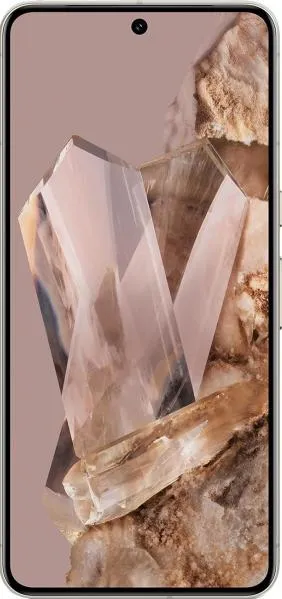

Google Pixel 8 Pro vs. ZTE nubia Z60 Ultra: A Deep Dive
Let's dissect these two intriguing smartphones, the Google Pixel 8 Pro and the ZTE nubia Z60 Ultra, going beyond the spec sheet to understand what they offer in the real world.
1. Specifications Breakdown
| Feature | Google Pixel 8 Pro | ZTE nubia Z60 Ultra | Real-World Implications | |||||
|---|---|---|---|---|---|---|---|---|
| Design | ||||||||
| Dimensions | 162.6 x 76.5 x 8.8 mm | 164 x 76.4 x 8.8 mm | Z60 Ultra slightly taller; both feel substantial in hand due to similar depth and width. | |||||
| Weight | 213g | 246g | Pixel 8 Pro noticeably lighter, reducing hand fatigue during extended use. | |||||
| Display | ||||||||
| Size | 6.7" | 6.8" | Z60 Ultra offers a marginally larger screen. | |||||
| Type | LTPO OLED | AMOLED | Pixel's LTPO panel allows for dynamic refresh rate adjustment, potentially saving battery. | |||||
| Resolution | 1344 x 2992 | 1116 x 2480 | Pixel 8 Pro boasts sharper visuals due to higher pixel density (489 ppi vs. 400 ppi). | |||||
| Peak Brightness | 2400 nits | 1500 nits | Pixel 8 Pro significantly brighter, ensuring better outdoor visibility. | Refresh Rate | 120Hz | 120Hz | Both offer smooth scrolling and animations | |
| Performance | ||||||||
| Chipset | Google Tensor G3 | Snapdragon 8 Gen 3 | Snapdragon generally known for raw power; Tensor G3 optimized for AI and specific Google features. | |||||
| CPU | Nona-core | Octa-core | Core configuration differences likely less noticeable in everyday tasks than GPU and AI prowess. | |||||
| GPU | Immortalis-G715s MC10 | Adreno 750 | Adreno 750 expected to deliver superior gaming performance. | |||||
| RAM | 12GB | 12GB | Both offer ample RAM for multitasking and demanding applications. | |||||
| Storage | 256GB, 512GB, 1TB | 256GB | Pixel offers more storage options for users with large media libraries. | |||||
| Battery Life | ||||||||
| Capacity | 5050 mAh | 6000 mAh | Z60 Ultra has a significantly larger battery, potentially translating to longer usage time. | |||||
| Other | ||||||||
| OS | Android 14 | Android 14 | Both run the latest Android version, but Pixel likely to receive faster updates. | |||||
| Video | Up to 4K@240fps | Up to 8K@30fps | Z60 Ultra offers higher resolution video recording but Pixel boasts higher frame rates at 4K |
2. Key Insights
The Pixel 8 Pro shines with its brilliant display, lighter weight, superior software experience (faster updates, Pixel-exclusive features), and potentially better power efficiency thanks to the LTPO display and Tensor G3's AI optimizations. The Tensor G3, while perhaps not as powerful as the Snapdragon 8 Gen 3 in benchmarks, excels in AI tasks, powering features like advanced photo processing and live translation.
The ZTE nubia Z60 Ultra counters with a larger battery, potentially leading to significantly longer usage between charges. Its Snapdragon 8 Gen 3 promises top-tier gaming performance and overall processing power. The 8K video recording capability caters to content creators seeking the highest resolution.
3. User Profiles and Recommendations
Pixel 8 Pro: Ideal for users prioritizing a polished software experience, a vibrant display, excellent photography, frequent software updates, and all-day battery life. Its lighter weight makes it comfortable for extended use.
ZTE nubia Z60 Ultra: Best suited for power users demanding maximum performance for gaming or other intensive tasks, videographers needing 8K recording, and those who value long battery life above all else.
4. Buying Decision Framework
- What matters most: Software experience or raw performance? Pixel 8 Pro for the former, Z60 Ultra for the latter.
- How important is battery life? The Z60 Ultra's larger battery likely provides a longer runtime.
- Are you a content creator? Z60 Ultra's 8K recording offers a significant advantage for professional video work.
My Choice: Google Pixel 8 Pro
While the ZTE nubia Z60 Ultra boasts impressive specs on paper, I would choose the Google Pixel 8 Pro. The smoother, more intelligent software experience powered by the Tensor G3 and the guarantee of timely updates are crucial for me. The brighter, sharper display enhances everyday use, and the lighter weight contributes to greater comfort. While the Z60 Ultra's battery is tempting, the Pixel 8 Pro's battery life is more than sufficient for my needs. The overall package offered by the Pixel 8 Pro aligns better with my priorities: a seamless blend of performance, intelligence, and user experience.
