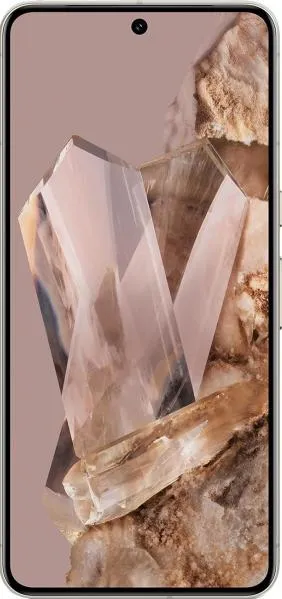
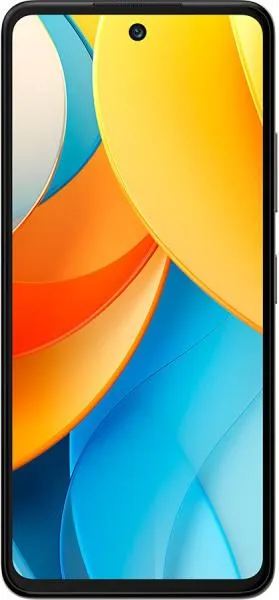
Google Pixel 8 Pro vs. ZTE Blade V60 Design: A Deep Dive
Let's dissect the Google Pixel 8 Pro and the ZTE Blade V60 Design, two smartphones catering to different needs and budgets. My goal is to give you a clear picture of what each phone offers and which might be your perfect fit.
1. Specifications Breakdown
| Feature | Google Pixel 8 Pro | ZTE Blade V60 Design | Real-World Implications | Category |
|---|---|---|---|---|
| Design | ||||
| Dimensions | 162.6 x 76.5 x 8.8mm | 164.2 x 75.3 x 8.6mm | Pixel slightly shorter and wider, negligible difference in hand feel. V60 Design marginally thinner. | Design |
| Weight | 213g | 198g | Pixel noticeably heavier, potentially impacting comfort during extended use. | Design |
| Build Materials | Glass/Aluminum | Plastic | Pixel feels more premium and durable, V60 Design more prone to scratches and flexing. | Design |
| Display | ||||
| Display Type | LTPO OLED | IPS LCD | Pixel's OLED offers deeper blacks, richer colors, and better power efficiency. | Display |
| Display Size | 6.7" | 6.6" | Negligible size difference in real-world usage. | Display |
| Resolution | 1344 x 2992 | 720 x 1612 | Pixel boasts significantly sharper visuals with higher pixel density (489 ppi vs 267 ppi). | Display |
| Refresh Rate | 120Hz | 90Hz | Pixel provides smoother scrolling and animations, enhancing responsiveness. | Display |
| Peak Brightness | 2400 nits | N/A | Pixel's exceptional brightness ensures excellent outdoor visibility. | Display |
| Performance | ||||
| Chipset | Google Tensor G3 | Unisoc T606 | Pixel's Tensor G3 offers significantly faster processing and superior AI capabilities. | Performance |
| CPU | Nona-core (1x3.0 GHz Cortex-X3 & 4x2.45 GHz Cortex-A715 & 4x2.15 GHz Cortex-A510) | Octa-core (2x1.6 GHz Cortex-A75 & 6x1.6 GHz Cortex-A55) | Pixel significantly outperforms in demanding tasks and multitasking. | Performance |
| GPU | Immortalis-G715s MC10 | Mali-G57 MP1 | Pixel handles graphics-intensive applications and games with ease; V60 Design may struggle. | Performance |
| RAM | 12GB | 6GB | Pixel's larger RAM allows for smoother multitasking and app switching. | Performance |
| Storage | 256/512/1000GB | 256GB | Pixel offers more storage options for power users. | Performance |
| Battery Life | ||||
| Battery Capacity | 5050 mAh | 5000 mAh | Similar battery capacities; real-world battery life depends on usage patterns and software optimization. | Battery Life |
2. Key Insights
The Pixel 8 Pro is a flagship device with cutting-edge technology across the board. Its superior display, powerful processor, and ample RAM deliver a premium user experience. The advanced camera system and AI-powered features further solidify its position as a top-tier smartphone.
The ZTE Blade V60 Design, on the other hand, is a budget-friendly option with decent specifications for everyday tasks. While it lacks the raw power and premium features of the Pixel, it offers a large display and a respectable battery life.
3. User Profiles and Recommendations
Pixel 8 Pro: Ideal for power users, photographers, gamers, and anyone who demands top-of-the-line performance and features.
ZTE Blade V60 Design: Suitable for budget-conscious users who prioritize basic functionality, web browsing, social media, and light gaming.
4. Buying Decision Framework
- What is your budget? The Pixel 8 Pro is a premium device with a higher price tag, while the ZTE Blade V60 Design is significantly more affordable.
- What are your primary smartphone needs? If you need a powerful device for demanding tasks, the Pixel 8 Pro is the clear winner. If you primarily use your phone for basic tasks, the ZTE Blade V60 Design is a viable option.
- How important are camera quality and display performance? The Pixel 8 Pro excels in both areas, while the ZTE Blade V60 Design offers a more basic experience.
My Choice: I would choose the Google Pixel 8 Pro. While the price is higher, the significant performance difference, superior display, and advanced camera capabilities are worth the investment for me. As someone who values a smooth, responsive user experience and utilizes demanding applications, the Pixel 8 Pro aligns perfectly with my needs. The longevity offered by the powerful processor and ample RAM ensures the device will remain relevant for years to come. The ZTE Blade V60 Design is a respectable budget option, but the compromises in performance and features wouldn't satisfy my usage patterns.
