
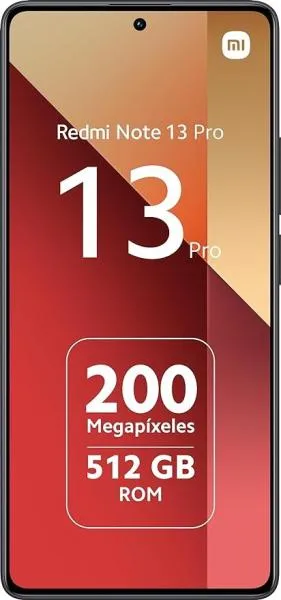
Google Pixel 8 Pro vs. Xiaomi Redmi Note 13 Pro 4G: A Deep Dive
Let's dissect the Google Pixel 8 Pro and the Xiaomi Redmi Note 13 Pro 4G, translating their spec sheets into real-world experiences. My goal is to equip you with the knowledge to decide which phone best fits your needs.
1. Specifications Breakdown
| Feature | Google Pixel 8 Pro | Xiaomi Redmi Note 13 Pro 4G | Real-World Implications |
|---|---|---|---|
| Design | |||
| Dimensions | 162.6 x 76.5 x 8.8 mm | 161.1 x 75 x 8 mm | Pixel 8 Pro slightly larger; negligible difference in hand feel. |
| Weight | 213g | 188g | Redmi noticeably lighter, potentially more comfortable for extended use. |
| Build Materials | Glass/Aluminum | (Unspecified - likely plastic/glass) | Pixel likely feels more premium, potentially more durable. |
| Display | |||
| Display Type | LTPO OLED | AMOLED | Both offer vibrant colors and deep blacks; LTPO allows for more granular refresh rate control on the Pixel, saving battery. |
| Size | 6.7" | 6.67" | Virtually identical screen real estate. |
| Resolution | 1344 x 2992 | 1080 x 2400 | Pixel has significantly sharper display (higher pixel density). |
| Refresh Rate | 120Hz | 120Hz | Both offer smooth scrolling and animations. |
| Peak Brightness | 2400 nits | 1300 nits | Pixel significantly brighter, crucial for outdoor visibility. |
| Performance | |||
| Chipset | Google Tensor G3 | Mediatek Helio G99 Ultra | Tensor G3 significantly more powerful, especially for AI tasks and gaming. |
| CPU | Octa-core (3.0 GHz Cortex-X3...) | Octa-core (2.2 GHz Cortex-A76...) | Pixel offers superior multi-core performance, leading to smoother multitasking and demanding app usage. |
| GPU | Immortalis-G715s MC10 | Mali-G57 MC2 | Pixel's GPU far outperforms Redmi's, resulting in much better gaming and graphics performance. |
| RAM | 12GB | 8GB/12GB | More RAM on Pixel enables better multitasking and app switching. |
| Storage | 256/512/1000GB | 256/512GB | Pixel offers a 1TB option for users needing vast storage. |
| Battery | |||
| Capacity | 5050 mAh | 5000 mAh | Negligible difference in battery capacity. Real-world battery life will depend on optimization. |
| Software | |||
| OS | Android 14 | Android 13 | Pixel on the latest Android version with guaranteed longer updates. |
2. Key Insights
The Pixel 8 Pro demonstrably outperforms the Redmi Note 13 Pro 4G in almost every category. Its Tensor G3 chip, superior display, and brighter screen provide a noticeably premium experience. The Redmi Note 13 Pro 4G's main advantages are its lower weight and potentially lower price point.
Real-World Impact: The Pixel 8 Pro will handle demanding tasks, gaming, and multitasking with ease. Its vibrant display excels in sunlight. The Redmi, while adequate for everyday use, will struggle with demanding applications and its display might be less visible outdoors.
3. User Profiles and Recommendations
Pixel 8 Pro: For users who prioritize performance, a brilliant display, the latest software with long-term updates, and a premium experience. Ideal for power users, gamers, photographers, and content creators.
Redmi Note 13 Pro 4G: Best suited for budget-conscious users who prioritize basic functionality – calling, texting, social media, light browsing – and a lighter device.
4. Buying Decision Framework
- What is your budget? The Pixel 8 Pro sits in a higher price bracket.
- What are your primary smartphone uses? Demanding tasks and gaming favor the Pixel.
- How important are software updates and long-term support? The Pixel excels here.
My Choice: Google Pixel 8 Pro
While lacking specific camera details in the provided data, the Pixel's historically strong camera performance, combined with its圧倒的な performance, stunning display, and the promise of timely Android updates, makes it the clear winner for me. I value a smooth, powerful, and future-proof experience, and the Pixel 8 Pro delivers precisely that. The lighter weight of the Redmi isn't enough to offset the significant performance and feature advantages of the Pixel.
