
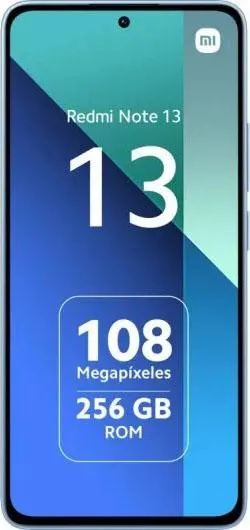
Let's dive into a comparative analysis of the Google Pixel 8 Pro and the Xiaomi Redmi Note 13 4G, dissecting their specifications and translating them into real-world implications for you.
1. Specifications Breakdown
| Feature | Google Pixel 8 Pro | Xiaomi Redmi Note 13 4G | Real-World Implications |
|---|---|---|---|
| Design | |||
| Dimensions | 162.6 x 76.5 x 8.8 mm | 162.3 x 75.6 x 8 mm | Nearly identical in size, both offer a large screen presence. The Pixel 8 Pro might feel slightly heavier due to its 213g vs 188.5g weight. |
| Weight | 213 g | 188.5 g | Pixel 8 Pro feels more substantial, potentially due to premium materials. Redmi Note 13 4G emphasizes portability. |
| Display | |||
| Display Type | LTPO OLED | AMOLED | Pixel's LTPO panel allows for dynamic refresh rate adjustment (1-120Hz), saving battery. Both offer vibrant colors and deep blacks. |
| Refresh Rate | 120Hz | 120Hz | Smooth scrolling and animations on both devices. |
| Peak Brightness | 2400 nits | 1800 nits | Pixel 8 Pro boasts significantly higher peak brightness, ensuring exceptional outdoor visibility even in direct sunlight. |
| Resolution | 1344 x 2992 | 1080 x 2400 | Pixel 8 Pro's higher resolution translates to sharper text and images. Noticeable difference in detail when viewing photos or reading small text. |
| Performance | |||
| Chipset | Google Tensor G3 | Snapdragon 685 | Tensor G3 is a flagship-level chip optimized for AI and machine learning, offering superior performance and unique Pixel features. Snapdragon 685 targets efficiency. |
| CPU | Nona-core | Octa-core | Tensor G3's more advanced architecture provides significantly faster processing speeds for demanding tasks and multitasking. |
| GPU | Immortalis-G715s MC10 | Adreno 610 | Pixel 8 Pro offers a much more powerful GPU, crucial for gaming and graphically intensive applications. Redmi Note 13 4G handles casual gaming. |
| RAM | 12GB | 8GB | Pixel 8 Pro's larger RAM enables smoother multitasking and seamless app switching. |
| Storage | 256/512/1000GB | 128/256GB | Pixel 8 Pro offers more generous storage options for users with large media libraries. |
| Battery | |||
| Capacity | 5050 mAh | 5000 mAh | Negligible difference in battery capacity. Pixel's LTPO display could contribute to longer battery life despite the more powerful processor. |
| Software | |||
| OS | Android 14 | Android 13 | Pixel 8 Pro runs the latest Android version with guaranteed updates for longer. |
2. Key Insights
The Pixel 8 Pro is a clear flagship contender with a cutting-edge processor, stunning display, and the latest software. Its strengths lie in performance, AI-powered features, and a premium user experience. The Redmi Note 13 4G, on the other hand, prioritizes affordability and efficiency.
Real-world differences: The Pixel 8 Pro will excel at demanding tasks like gaming, photo editing, and multitasking. Its superior display offers a more immersive visual experience. The Redmi Note 13 4G is sufficient for everyday use – browsing, social media, and light gaming – but will struggle with more intensive applications.
3. User Profiles and Recommendations
Pixel 8 Pro: Ideal for power users, photographers, gamers, and those who demand the latest technology and a premium experience.
Redmi Note 13 4G: Suitable for budget-conscious users who prioritize basic functionality, long battery life, and reliable performance for everyday tasks.
4. Buying Decision Framework
- What is your budget? The Pixel 8 Pro sits in a higher price bracket.
- What are your primary smartphone uses? Demanding tasks? Casual browsing? Photography?
- How important is software support and future-proofing? The Pixel offers longer OS and security updates.
My Choice
If I were choosing between these two, I'd opt for the Pixel 8 Pro. While the Redmi Note 13 4G offers excellent value, I prioritize performance, a fluid user experience, and the advanced camera capabilities often showcased in Pixel devices. The longer software update cycle and the promise of innovative AI-driven features are also major draws. The price difference is significant, but the Pixel 8 Pro offers a tangible upgrade in almost every aspect of the smartphone experience, justifying the premium for my needs.
