
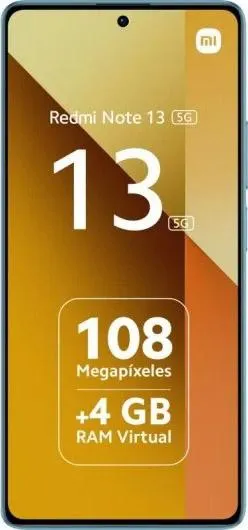
Google Pixel 8 Pro vs. Xiaomi Redmi Note 13: A Deep Dive
Let's dissect the Google Pixel 8 Pro and the Xiaomi Redmi Note 13, translating their spec sheets into real-world experiences. We'll go beyond the numbers to understand what these differences mean for you.
1. Specifications Breakdown
| Feature | Google Pixel 8 Pro | Xiaomi Redmi Note 13 | Real-World Implications |
|---|---|---|---|
| Design | |||
| Dimensions | 162.6 x 76.5 x 8.8 mm | 161.1 x 75 x 7.6 mm | Redmi Note 13 is slightly thinner and lighter, potentially improving one-handed use. |
| Weight | 213g | 174.5g | Noticeable weight difference; Redmi offers better portability. |
| Build Materials | Glass/Aluminum | Not Specified | Pixel's premium materials likely contribute to durability and a more premium feel. |
| Display | |||
| Display Type | LTPO OLED | AMOLED | Pixel's LTPO allows for dynamic refresh rate adjustment, saving battery. Both offer vibrant colors. |
| Size | 6.7" | 6.67" | Negligible size difference; both offer large, immersive screens. |
| Resolution | 1344 x 2992 | 1080 x 2400 | Pixel's higher resolution provides sharper text and images. |
| Refresh Rate | 120Hz | 120Hz | Both offer smooth scrolling and animations. |
| Peak Brightness | 2400 nits | 1000 nits | Pixel's significantly higher brightness ensures excellent outdoor visibility. |
| Performance | |||
| Chipset | Google Tensor G3 | Mediatek Dimensity 6080 | Pixel's Tensor G3, optimized for AI and machine learning, should deliver superior performance, especially in AI-driven tasks. |
| CPU | Octa-core (1x3.0 GHz Cortex-X3 & 4x2.45 GHz Cortex-A715 & 4x2.15 GHz Cortex-A510) | Octa-core (2x2.4 GHz Cortex-A76 & 6x2.0 GHz Cortex-A55) | Pixel's more modern CPU architecture and higher clock speeds suggest a significant performance advantage. |
| GPU | Immortalis-G715s MC10 | Mali-G57 MC2 | Pixel's GPU should provide a smoother gaming and graphics-intensive experience. |
| RAM | 12GB | 8GB/12GB | Pixel's larger RAM ensures smoother multitasking and app switching. Redmi offers a lower RAM variant impacting performance. |
| Storage | 256GB/512GB/1TB | 256GB | Pixel offers more storage options for users with high media consumption. |
| Battery | |||
| Capacity | 5050 mAh | 5000 mAh | Negligible difference in battery capacity. Real-world battery life will depend on usage and optimization. |
| Other | |||
| OS | Android 14 | Android 13 | Pixel launches with the latest Android version and guaranteed updates for longer. |
| Price Range | Medium | Low | Significant price difference, reflecting the Pixel's premium features and performance. |
2. Key Insights
- Performance: The Pixel 8 Pro, powered by the Tensor G3, boasts significantly stronger processing power and AI capabilities compared to the Redmi Note 13. This translates to smoother multitasking, faster app loading, superior gaming, and enhanced AI-driven features like photography.
- Display: The Pixel 8 Pro's LTPO OLED display with higher resolution and peak brightness delivers a more vibrant and detailed visual experience, especially outdoors. While both phones offer a 120Hz refresh rate, the Pixel's dynamic refresh rate adjustment contributes to better battery efficiency.
- Camera: While specific camera details are lacking for the Redmi Note 13, the Pixel line is renowned for its exceptional camera performance. The Pixel 8 Pro is likely to excel in image quality, especially in low-light scenarios, thanks to Google's advanced computational photography.
- Software & Updates: The Pixel 8 Pro benefits from Google's commitment to timely software updates and longer support, ensuring a more secure and feature-rich experience over time.
3. User Profiles and Recommendations
- Pixel 8 Pro: Ideal for power users, photographers, and those who prioritize performance, premium design, the latest software, and a top-tier camera.
- Redmi Note 13: A good option for budget-conscious users who prioritize battery life, a large display, and adequate performance for everyday tasks like browsing and social media.
4. Buying Decision Framework
- What is your budget? The Pixel 8 Pro is a significantly more expensive device.
- What are your performance needs? For demanding tasks and gaming, the Pixel 8 Pro is far superior.
- How important are camera quality and software updates? The Pixel excels in both areas.
My Choice: Google Pixel 8 Pro
While the Redmi Note 13 offers excellent value for its price, I would choose the Google Pixel 8 Pro. The superior performance, stunning display, longer software support, and expected camera prowess are compelling. I prioritize a smooth, responsive experience, future-proof software, and top-tier camera capabilities, making the Pixel 8 Pro the better fit for my needs, even with the higher price tag. The Tensor G3's AI capabilities also intrigue me, as I see significant potential in AI-driven mobile experiences.
