
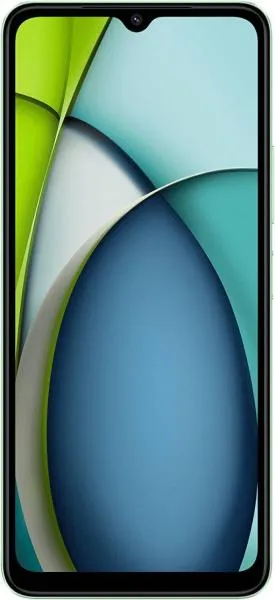
Let's dive into a comprehensive comparison of the Google Pixel 8 Pro and the Xiaomi Redmi A3x. These two smartphones occupy distinct segments of the market, catering to different needs and budgets. My analysis will cut through the technical jargon and empower you to decide which phone best fits your lifestyle.
1. Specifications Breakdown
| Feature | Google Pixel 8 Pro | Xiaomi Redmi A3x | Real-World Implications |
|---|---|---|---|
| Design | |||
| Dimensions | 162.6 x 76.5 x 8.8 mm | 168.4 x 76.3 x 8.3 mm | Pixel slightly smaller, potentially more pocketable. |
| Weight | 213g | 193g | Redmi noticeably lighter, reducing hand fatigue during extended use. |
| Build Materials | Glass/Aluminum | Plastic | Pixel's premium materials offer better durability and a more luxurious feel. |
| Display | |||
| Display Type | LTPO OLED, 120Hz | IPS LCD, 90Hz | Pixel's OLED delivers deeper blacks, vibrant colors, and smoother scrolling thanks to the 120Hz refresh rate. |
| Resolution | 1344 x 2992 | 720 x 1650 | Pixel boasts significantly sharper visuals; Redmi's resolution is noticeably lower. |
| Peak Brightness | 2400 nits | 500 nits | Pixel's display is far brighter, ensuring excellent outdoor visibility. |
| Performance | |||
| Chipset | Google Tensor G3 | Unisoc T603 | Pixel's Tensor G3 offers significantly faster processing and advanced AI capabilities. |
| CPU | Octa-core (3.0 GHz Cortex-X3...) | Octa-core 1.8 GHz | Pixel's CPU architecture is more powerful and efficient, enabling seamless multitasking and demanding applications. |
| RAM | 12GB | 4GB | Pixel's larger RAM allows for smoother multitasking and app switching. Redmi's 4GB may lead to performance hiccups with multiple apps. |
| Storage | 256/512/1000GB | 128GB | Pixel offers significantly more storage options for power users. |
| Camera | Detailed camera specs missing for both; Pixel generally known for exceptional camera performance. | ||
| Battery Life | |||
| Battery Capacity | 5050 mAh | 5000 mAh | Similar battery capacities; real-world battery life will depend on usage and optimization. |
| Other | |||
| OS | Android 14 | Android 14 | Both run the latest Android version; Pixel likely to receive longer software updates. |
| NFC | Yes | No | Pixel supports contactless payments and data transfer via NFC. |
2. Key Insights
The Pixel 8 Pro is a flagship smartphone with cutting-edge technology, a stunning display, and powerful performance. The Redmi A3x, on the other hand, is a budget-friendly device prioritizing affordability. The Pixel's Tensor G3 chip, coupled with 12GB of RAM, will deliver a blazing-fast experience, while the Redmi A3x's Unisoc T603 and 4GB RAM will struggle with demanding tasks and multitasking. The Pixel's OLED display with a 120Hz refresh rate is a visual treat compared to the Redmi's lower-resolution LCD.
3. User Profiles and Recommendations
Pixel 8 Pro: Ideal for users who demand top-tier performance, a premium multimedia experience, and the latest features. Photographers, gamers, and power users will appreciate its capabilities.
Redmi A3x: Suitable for budget-conscious users who prioritize basic functionality for everyday tasks like calling, texting, and web browsing. It's a good option for students or as a secondary device.
4. Buying Decision Framework
- What is your budget? The Pixel 8 Pro is significantly more expensive.
- What are your performance expectations? For demanding tasks, the Pixel is the clear winner.
- How important is display quality? The Pixel's OLED screen offers a superior visual experience.
My Choice: I would choose the Google Pixel 8 Pro. While the price is higher, the significant jump in performance, display quality, camera capabilities (based on Pixel's history), and the promise of longer software updates makes it a worthwhile investment for me. I value a smooth, responsive user experience, and the Pixel 8 Pro delivers that in spades. The Redmi A3x, while a decent budget option, simply doesn't meet my needs for a primary device.
