
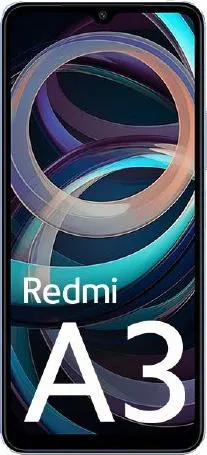
Google Pixel 8 Pro vs. Xiaomi Redmi A3: A Deep Dive
Let's cut through the marketing fluff and get down to brass tacks. We're comparing two phones from different ends of the spectrum: the flagship Google Pixel 8 Pro and the budget-friendly Xiaomi Redmi A3. This isn't just about specs; it's about understanding how these devices perform in the real world and which one best fits your needs.
1. Specifications Breakdown
| Feature | Google Pixel 8 Pro | Xiaomi Redmi A3 | Real-World Implications |
|---|---|---|---|
| Design | |||
| Dimensions | 162.6 x 76.5 x 8.8mm | 168.3 x 76.3 x 8.3mm | Pixel 8 Pro is slightly shorter, narrower, but a hair thicker. Redmi A3 is taller and overall larger. |
| Weight | 213g | 193g | Redmi A3 is noticeably lighter, potentially more comfortable for extended use. |
| Build Materials | Glass/Aluminum | Plastic (Likely) | Pixel 8 Pro offers a more premium feel and potentially better durability. Redmi A3 prioritizes affordability with likely plastic construction. |
| Display | |||
| Display Type | LTPO OLED, 120Hz | IPS LCD, 90Hz | Pixel 8 Pro: Superior contrast, deeper blacks, smoother scrolling. Redmi A3: Decent display for everyday use but lacks the vibrancy of OLED. |
| Resolution | 1344 x 2992 | 720 x 1650 | Pixel 8 Pro: Significantly sharper, more detailed visuals. Redmi A3: Noticeably lower resolution, less crisp images and text. |
| Peak Brightness | 2400 nits | 500 nits | Pixel 8 Pro: Excellent outdoor visibility even in direct sunlight. Redmi A3: Can struggle in bright conditions. |
| Performance | |||
| Chipset | Google Tensor G3 | Mediatek Helio G36 | Pixel 8 Pro: Powerful, AI-focused processor, excellent for demanding tasks and gaming. Redmi A3: Entry-level processor for basic tasks. |
| CPU | Nona-core (3.0 GHz Cortex-X3...) | Octa-core (2.2 GHz Cortex-A53...) | Pixel 8 Pro: Significantly faster and more efficient CPU. Redmi A3: Can handle everyday apps but struggles with multitasking or heavy games. |
| GPU | Immortalis-G715s MC10 | PowerVR GE8320 | Pixel 8 Pro: Superior graphics performance for smooth gaming and demanding visual tasks. Redmi A3: Basic graphics for casual gaming. |
| RAM | 12GB | 4/6GB | Pixel 8 Pro: Ample RAM for seamless multitasking. Redmi A3: Limited RAM, potential for slowdowns with multiple apps open. |
| Storage | 256/512/1000GB | 128GB | Pixel 8 Pro: More storage options for large files and apps. Redmi A3: Basic storage, may require careful management. |
| Battery | |||
| Capacity | 5050 mAh | 5000 mAh | Similar battery capacities, but real-world battery life depends on optimization and usage patterns. |
| Other | |||
| OS | Android 14 | Android 14 | Both run the latest Android version, but Pixel offers faster updates and a cleaner experience. |
| Price Range | Medium | Low | Pixel 8 Pro: Premium price for flagship features. Redmi A3: Budget-friendly option with compromises. |
2. Key Insights
The Pixel 8 Pro excels in every category, offering a premium experience with its cutting-edge processor, stunning display, and advanced camera capabilities (not detailed in provided specs but implied given its flagship status). The Redmi A3 focuses on affordability, providing basic functionality for everyday tasks but compromising on performance, display quality, and overall refinement.
3. User Profiles and Recommendations
- Pixel 8 Pro: Power users, photographers, gamers, anyone who demands top-tier performance and the latest technology.
- Redmi A3: Budget-conscious users who prioritize basic communication, social media, and light web browsing. Students or as a secondary device.
4. Buying Decision Framework
- What is your budget? If price is a major constraint, the Redmi A3 is the more realistic option.
- What are your primary phone uses? For demanding tasks, gaming, or photography, the Pixel 8 Pro is essential. For basic communication and web browsing, the Redmi A3 suffices.
- How important is long-term software support? Pixel phones receive faster and more consistent Android updates.
My Choice: Google Pixel 8 Pro
If I were choosing, it would be the Pixel 8 Pro without hesitation. While the Redmi A3 serves its purpose as an entry-level device, I value the seamless performance, brilliant display, consistent software updates, and overall refined experience that the Pixel 8 Pro offers. The price difference is significant, but for me, the investment in a device that seamlessly integrates into my workflow and provides a future-proof platform is worth it. I appreciate having a phone that can handle anything I throw at it, from demanding mobile gaming to professional photography, without skipping a beat.
