
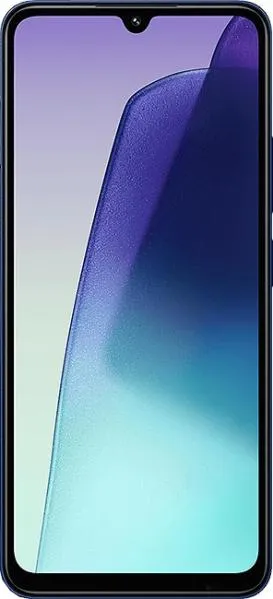
Google Pixel 8 Pro vs. Xiaomi Redmi 14C: A Deep Dive
Let's dissect the Google Pixel 8 Pro and the Xiaomi Redmi 14C, two phones occupying the "medium price" range but offering vastly different experiences. I'll break down the specs, translate them into real-world implications, and help you decide which phone might be your perfect fit.
1. Specifications Breakdown
| Feature | Google Pixel 8 Pro | Xiaomi Redmi 14C | Real-World Implications |
|---|---|---|---|
| Design | |||
| Dimensions | 162.6 x 76.5 x 8.8 mm | 171.9 x 77.8 x 8.2 mm | Pixel 8 Pro is slightly smaller and thinner. Redmi 14C might feel bulkier. |
| Weight | 213g | 211g | Negligible weight difference in real-world usage. |
| Build Materials | Glass/Aluminum | Plastic | Pixel feels more premium; Redmi prioritizes affordability. Durability might be a concern for the Redmi 14C. |
| Display | |||
| Display Type | LTPO OLED, 120Hz | IPS LCD, 120Hz | Pixel's OLED delivers vibrant colors, deeper blacks, and better power efficiency. Redmi's LCD is less impressive but functional. |
| Resolution | 1344 x 2992 | 720 x 1640 | Pixel offers significantly sharper visuals due to much higher resolution. Redmi's display will appear less crisp. |
| Peak Brightness | 2400 nits | 600 nits | Pixel's display is vastly brighter, ensuring excellent outdoor visibility. Redmi's screen might struggle in direct sunlight. |
| Refresh Rate | 120Hz | 120Hz | Both offer smooth scrolling and animations. The Pixel's superior display panel makes this more noticeable |
| Performance | |||
| Chipset | Google Tensor G3 | Helio G81 Ultra | Tensor G3 is significantly more powerful, enabling smoother multitasking, faster app loading, and better gaming performance. |
| CPU | Nona-core (Cortex-X3, A715, A510) | Octa-core (Cortex-A75, A55) | Pixel's CPU architecture is more modern and efficient, resulting in superior overall performance. |
| GPU | Immortalis-G715s MC10 | Mali-G52 MC2 | Pixel's GPU provides a far superior gaming and graphics-intensive task experience. Expect smoother gameplay and faster rendering on the Pixel. |
| RAM | 12GB | 6GB/8GB | Pixel offers significantly more RAM, ensuring smoother multitasking and less frequent app reloading. |
| Storage | 256GB-1TB | 128GB | Pixel provides far more storage for apps, photos, and videos. Redmi's limited storage might necessitate frequent cleanup. |
| Battery | |||
| Capacity | 5050 mAh | 5160 mAh | Redmi has a slightly larger battery, but the Pixel's more efficient processor and display likely result in comparable real-world battery life. |
| Other | |||
| OS | Android 14 | Android 14 | Both run the latest Android version, but Pixel typically receives faster and longer software updates. |
| Camera | [Not provided] | [Not provided] | Cannot compare without detailed camera specifications. |
2. Key Insights
The Pixel 8 Pro significantly outperforms the Redmi 14C in almost every category. The Pixel boasts a superior display, vastly more powerful processor and GPU, more RAM, and generally more advanced technology. The Redmi 14C's strengths lie primarily in its lower price point and slightly larger battery. However, the Pixel's superior efficiency might negate this battery advantage. The build quality also leans heavily in favor of the Pixel.
3. User Profiles and Recommendations
- Pixel 8 Pro: Power users, photographers, gamers, and anyone who values a premium smartphone experience with top-tier performance, a stunning display, and the latest Android features.
- Redmi 14C: Budget-conscious users who prioritize basic functionality and long battery life over performance and premium features. Ideal for light users who primarily use their phones for calling, texting, and social media.
4. Buying Decision Framework
- What is your budget? The Redmi 14C is significantly more affordable.
- What are your primary phone usage patterns? Light users might find the Redmi 14C sufficient. Power users will be frustrated by its limitations.
- How important are performance, display quality, and camera capabilities? If these are priorities, the Pixel 8 Pro is the clear winner.
My Choice: I would choose the Google Pixel 8 Pro without hesitation. As a tech journalist, performance, a stellar display, and frequent software updates are crucial. The Pixel's superior processing power, stunning OLED screen, and Google's commitment to rapid updates align perfectly with my needs. While the Redmi 14C offers a lower price, the compromises in performance and overall user experience are too significant for my workflow and personal preferences. The Pixel 8 Pro is an investment in a smoother, richer, and more future-proof mobile experience.
