
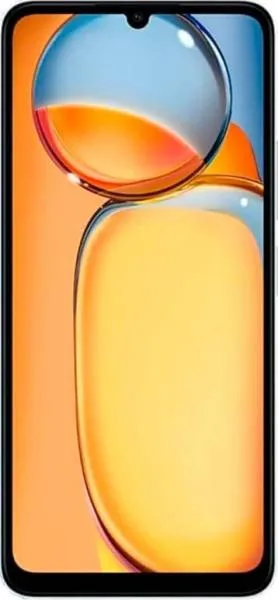
Let's dive into a comparative analysis of the Google Pixel 8 Pro and the Xiaomi Redmi 13C, dissecting their specifications and translating them into real-world implications for you.
1. Specifications Breakdown
| Feature | Google Pixel 8 Pro | Xiaomi Redmi 13C | Real-World Implications |
|---|---|---|---|
| Design | |||
| Dimensions | 162.6 x 76.5 x 8.8 mm | 168 x 78 x 8.1 mm | Pixel 8 Pro is slightly smaller and thinner. Redmi 13C might feel bulkier in hand. |
| Weight | 213g | 192g | Redmi 13C is noticeably lighter, reducing hand fatigue during extended use. |
| Build Materials | Glass/Aluminum | Plastic | Pixel 8 Pro offers a more premium feel and potentially better durability. Redmi 13C prioritizes affordability with a plastic build. |
| Display | |||
| Display Type | LTPO OLED | IPS LCD | Pixel 8 Pro delivers deeper blacks, more vibrant colors, and better power efficiency. Redmi 13C's LCD is less impressive. |
| Size | 6.7" | 6.74" | Negligible size difference; both offer large screens for immersive content consumption. |
| Resolution | 1344 x 2992 | 720 x 1600 | Pixel 8 Pro boasts significantly sharper visuals due to much higher resolution. Redmi 13C might show pixelation. |
| Refresh Rate | 120Hz | 90Hz | Pixel 8 Pro offers smoother scrolling and animations. Noticeable difference in fluidity, though 90Hz is still good. |
| Peak Brightness | 2400 nits | 600 nits | Pixel 8 Pro's display remains visible even in direct sunlight. Redmi 13C might struggle in bright outdoor conditions. |
| Performance | |||
| Chipset | Google Tensor G3 | Helio G85 | Pixel 8 Pro provides significantly faster processing, enabling seamless multitasking and demanding gaming. Redmi 13C is for basic tasks. |
| CPU | Nona-core | Octa-core | Pixel 8 Pro's more advanced CPU architecture delivers superior performance in complex applications. |
| RAM | 12GB | 6GB/8GB | Pixel 8 Pro handles multitasking with ease. Redmi 13C might experience slowdowns with multiple apps open. |
| Storage | 256GB-1TB | 128GB-256GB | Pixel 8 Pro offers more storage options for power users. Redmi 13C caters to average storage needs. |
| Battery | |||
| Capacity | 5050 mAh | 5000 mAh | Comparable battery capacities suggest similar potential battery life, though real-world usage will vary. |
2. Key Insights
The Pixel 8 Pro is a flagship smartphone, showcasing cutting-edge technology in every aspect. Its superior display, powerful processor, and ample RAM deliver a premium user experience. The Redmi 13C, on the other hand, is a budget-friendly device prioritizing affordability over top-tier performance. It offers a large display and decent battery life but compromises on processing power and display quality.
3. User Profiles and Recommendations
Pixel 8 Pro: Ideal for users who demand top-notch performance, a stunning display, and a premium mobile experience. Power users, gamers, photographers, and content creators will appreciate its capabilities.
Redmi 13C: Suitable for budget-conscious users who prioritize essential functionalities like calling, texting, web browsing, and social media. Students, casual users, and those seeking a secondary device would find it a viable option.
4. Buying Decision Framework
- What is your budget? The Pixel 8 Pro is significantly more expensive. If price is a major constraint, the Redmi 13C is a more affordable choice.
- What are your primary use cases? For demanding tasks, gaming, and media consumption, the Pixel 8 Pro excels. For basic communication and light usage, the Redmi 13C suffices.
- How important is display quality and performance? The Pixel 8 Pro boasts a vastly superior display and significantly faster performance. If these are crucial, the Pixel is worth the investment.
My Choice: As a tech journalist with a need for a powerful device for content creation, multitasking, and capturing high-quality photos and videos, I would choose the Pixel 8 Pro. The superior performance, brilliant display, and advanced camera features align perfectly with my needs. While the Redmi 13C offers great value for its price, it doesn't meet the performance and quality standards I require for my work and personal use. The investment in the Pixel 8 Pro would translate to increased productivity, a more enjoyable user experience, and access to cutting-edge mobile technology.
