
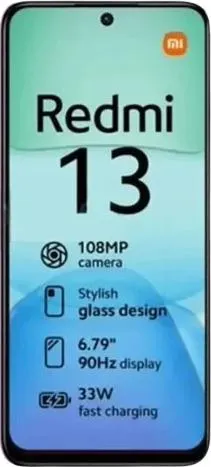
Google Pixel 8 Pro vs. Xiaomi Redmi 13: A Deep Dive
Let's dissect the Google Pixel 8 Pro and the Xiaomi Redmi 13, moving beyond the spec sheet to understand what these phones offer in the real world. My goal is to help you decide which device best fits your needs and budget.
1. Specifications Breakdown
| Feature | Google Pixel 8 Pro | Xiaomi Redmi 13 | Real-World Implications |
|---|---|---|---|
| Design | |||
| Dimensions | 162.6 x 76.5 x 8.8 mm | 168.6 x 76.3 x 8.3 mm | Pixel 8 Pro is slightly smaller and thinner. Redmi 13 is taller. Negligible difference in daily use. |
| Weight | 213g | 205g | Redmi 13 is slightly lighter, but the difference is minimal. |
| Display | |||
| Display Type | LTPO OLED, 120Hz | IPS LCD, 90Hz | Pixel's OLED offers deeper blacks, richer colors, and better power efficiency. 120Hz provides smoother scrolling and animations than Redmi's 90Hz. |
| Resolution | 1344 x 2992 | 1080 x 2460 | Pixel has a sharper, more detailed display. |
| Peak Brightness | 2400 nits | 550 nits | Pixel's display is significantly brighter, crucial for outdoor visibility. |
| Performance | |||
| Chipset | Google Tensor G3 | Mediatek Helio G91 Ultra | Tensor G3 is significantly more powerful, enabling faster app loading, multitasking, and gaming. Built for AI and ML enhancements. |
| CPU | Nona-core (3.0 GHz Cortex-X3...) | Octa-core (2.0 GHz Cortex-A75...) | Pixel's CPU offers superior performance in demanding tasks. |
| GPU | Immortalis-G715s MC10 | Mali-G52 MC2 | Pixel's GPU provides a smoother gaming experience and better graphics rendering. |
| RAM | 12GB | 8GB | Pixel's larger RAM allows for more apps to run in the background without reloading. |
| Storage | 256GB, 512GB, 1TB | 256GB | Pixel offers more storage options for users with large media libraries. |
| Battery Life | |||
| Capacity | 5050 mAh | 5030 mAh | Negligible difference in battery capacity. Real-world battery life depends on usage and optimization. Pixel's more efficient display could benefit it. |
| Other | |||
| OS | Android 14 | Android 14 | Both run the latest Android OS, but Pixel typically receives faster updates and unique features. |
| Sensors | Accelerometer,... Thermometer | Accelerometer,... Fingerprint (side) | Pixel includes more advanced sensors, notably a skin temperature sensor. |
| Video Capabilities | Up to 4K@240fps | 1080p@30fps | Pixel boasts significantly superior video recording capabilities. |
2. Key Insights
- Display Dominance: The Pixel 8 Pro's LTPO OLED display with a 120Hz refresh rate and stunning peak brightness delivers a vastly superior visual experience compared to the Redmi 13's IPS LCD.
- Performance Powerhouse: The Tensor G3 chip, coupled with 12GB of RAM, positions the Pixel 8 Pro as a performance leader, ideal for demanding tasks and gaming. The Redmi 13, while capable for everyday use, will struggle with intensive applications.
- Camera Prowess: While specific camera details are missing from the provided specs, Pixel phones are renowned for their exceptional computational photography capabilities. We can reasonably expect the Pixel 8 Pro to outperform the Redmi 13 in this area.
- Software and Updates: Google's commitment to timely Android updates and Pixel-exclusive features gives the Pixel 8 Pro a long-term advantage in terms of software support and new functionalities.
- Price Considerations: The Redmi 13's "low price" designation signifies a major difference in cost. It aims to deliver value for budget-conscious consumers, while the Pixel 8 Pro targets users prioritizing premium features and performance.
3. User Profiles and Recommendations
- Pixel 8 Pro: For users who demand top-tier performance, a stunning display, the latest software, and cutting-edge camera technology, the Pixel 8 Pro is an excellent choice. Professionals, content creators, and mobile gamers will appreciate its capabilities.
- Redmi 13: Best suited for budget-conscious users who prioritize essential smartphone functionalities like calling, texting, web browsing, and social media. It's a solid option for those seeking reliable performance without breaking the bank.
4. Buying Decision Framework
- What's your budget? If price is a primary concern, the Redmi 13 offers excellent value. If you're willing to invest in a premium experience, the Pixel 8 Pro is the clear winner.
- What are your primary use cases? For demanding tasks, gaming, and content creation, the Pixel's superior performance is essential. For basic communication and light usage, the Redmi 13 is sufficient.
- How important are display quality and camera performance? The Pixel 8 Pro significantly outshines the Redmi 13 in these areas.
My Choice: Google Pixel 8 Pro
If I were choosing between these two devices, I would opt for the Google Pixel 8 Pro. While the Redmi 13 offers great value, the Pixel's superior display, significantly better performance powered by the Tensor G3 chip (crucial for my multitasking and occasional mobile gaming), consistent and rapid software updates, and expected camera excellence align perfectly with my needs as a tech enthusiast and power user. I value a smooth, responsive user experience and the longevity that comes with a flagship device. The price difference is justified by the substantial leap in quality and capabilities.
