
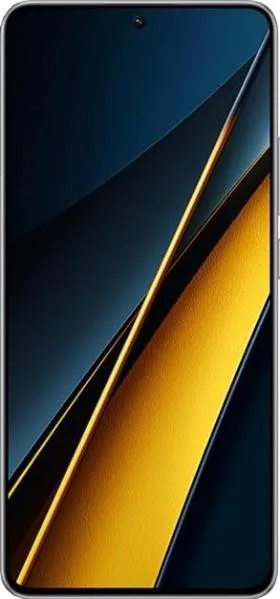
Google Pixel 8 Pro vs. Xiaomi Poco X6 Pro: A Deep Dive
Let's dissect the Google Pixel 8 Pro and the Xiaomi Poco X6 Pro, translating their spec sheets into real-world experiences.
1. Specifications Breakdown
| Feature | Google Pixel 8 Pro | Xiaomi Poco X6 Pro | Real-World Implications |
|---|---|---|---|
| Design | |||
| Dimensions | 162.6 x 76.5 x 8.8 mm | 160.5 x 74.3 x 8.3 mm | Poco X6 Pro is slightly smaller and thinner, potentially offering a more comfortable one-handed grip. |
| Weight | 213g | 186g | Poco X6 Pro is noticeably lighter, reducing hand fatigue during extended use. |
| Display | |||
| Display Type | LTPO OLED | AMOLED | Pixel 8 Pro's LTPO panel allows for more granular refresh rate control, potentially saving battery. |
| Refresh Rate | 120Hz | 120Hz | Both offer smooth scrolling and animations. |
| Peak Brightness | 2400 nits | 1800 nits | Pixel 8 Pro offers significantly higher peak brightness, ensuring better visibility in direct sunlight. |
| Resolution | 1344 x 2992 | 1220 x 2712 | Pixel 8 Pro has a slightly sharper display. |
| Performance | |||
| Chipset | Google Tensor G3 | Dimensity 8300 Ultra | Both are powerful chips, but real-world performance will depend on optimization and specific tasks. |
| CPU | Nona-core | Octa-core | Core configuration differences are less important than overall chip efficiency and software optimization. |
| GPU | Immortalis-G715s MC10 | Mali G615-MC6 | Gaming performance likely favors the Pixel 8 Pro due to its more powerful GPU. |
| RAM | 12GB | 12GB | Both offer ample RAM for multitasking and demanding applications. |
| Battery Life | |||
| Capacity | 5050 mAh | 5000 mAh | Similar battery capacities suggest comparable battery life, but real-world usage will vary. |
| Other | |||
| OS | Android 14 | Android 14 | Both run the latest Android version, but Pixel likely offers faster updates and a cleaner software experience. |
| USB | USB Type-C 3.2 | USB Type-C 2.0 | Pixel 8 Pro offers faster data transfer speeds. |
| Video Capabilities | Up to 4K@240fps | Up to 4K@30fps | Pixel 8 Pro offers significantly more advanced video recording capabilities. |
2. Key Insights
The Pixel 8 Pro excels in display quality, raw performance (especially GPU), software experience, and video recording. Its Tensor G3 chip, coupled with Google's AI prowess, likely translates to a smoother, more intuitive user experience, particularly in areas like photography and voice assistance. The brighter display is a significant advantage for outdoor use.
The Poco X6 Pro shines in its lighter weight and potentially lower price point (although we don't have exact figures). It offers a compelling alternative for users prioritizing portability and value. While its Dimensity 8300 Ultra is a capable processor, it might not match the Tensor G3's peak performance or specialized AI capabilities.
3. User Profiles and Recommendations
Pixel 8 Pro: Ideal for users who demand the best possible display, performance, camera, and software experience. Power users, photographers, videographers, and those who value a premium Android experience will appreciate the Pixel 8 Pro.
Poco X6 Pro: Best suited for budget-conscious users who prioritize portability and value. Casual gamers, social media enthusiasts, and those seeking a solid all-around performer without breaking the bank will find the Poco X6 Pro appealing.
4. Buying Decision Framework
- What is your budget? The Pixel 8 Pro is likely more expensive. If price is a major concern, the Poco X6 Pro offers a compelling alternative.
- What are your primary use cases? If photography, videography, or demanding tasks are priorities, the Pixel 8 Pro's superior hardware and software shine. For everyday tasks and casual gaming, the Poco X6 Pro is sufficient.
- How important is software and long-term support? Pixel phones receive faster and longer software updates directly from Google.
My Choice: Google Pixel 8 Pro
If I were choosing between these two, I'd opt for the Google Pixel 8 Pro. While the Poco X6 Pro offers impressive value, I prioritize the superior display, camera capabilities, faster data transfer speeds, and the cleaner, more frequently updated software experience that the Pixel offers. The performance difference, particularly in the GPU, is also significant for my workflow. While the weight difference is noticeable, the benefits of the Pixel 8 Pro outweigh this minor drawback for me. The advanced video recording features are also a significant draw, as I frequently capture video content. Ultimately, the Pixel 8 Pro better aligns with my needs as a tech enthusiast and content creator who demands top-tier performance and a refined user experience.
