
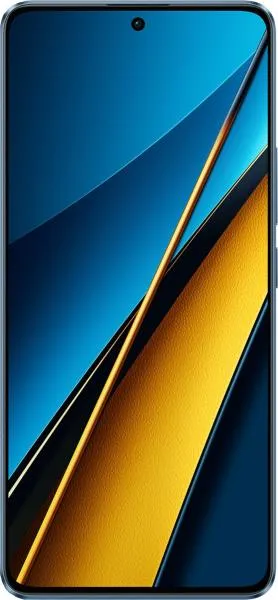
Let's dive into a comparative analysis of the Google Pixel 8 Pro and the Xiaomi Poco X6, dissecting their specifications and uncovering what they truly offer the user.
1. Specifications Breakdown
| Feature | Google Pixel 8 Pro | Xiaomi Poco X6 | Real-World Implications |
|---|---|---|---|
| Design | |||
| Dimensions | 162.6 x 76.5 x 8.8 mm | 161.2 x 74.3 x 8 mm | Pixel 8 Pro is slightly larger; Poco X6 is marginally thinner. Negligible difference in hand feel for most users. |
| Weight | 213g | 181g | Poco X6 is noticeably lighter, reducing hand fatigue during extended use. |
| Build | Glass front (Gorilla Glass Victus 2), aluminum frame | Glass front (Gorilla Glass 5) | Pixel boasts superior scratch and drop resistance. |
| Display | |||
| Type | LTPO OLED | AMOLED | Both offer vibrant colors and deep blacks. LTPO allows for more granular refresh rate control on the Pixel, potentially saving battery. |
| Size | 6.7 inches | 6.67 inches | Virtually identical screen real estate. |
| Resolution | 1344 x 2992 pixels | 1220 x 2712 pixels | Pixel 8 Pro has a sharper display (489 ppi vs. 446 ppi), resulting in crisper text and images. Noticeable difference for detail-oriented users. |
| Refresh Rate | 120Hz | 120Hz | Both offer smooth scrolling and animations. |
| Peak Brightness | 2400 nits | 1800 nits | Pixel 8 Pro gets significantly brighter, ensuring excellent outdoor visibility. |
| Performance | |||
| Chipset | Google Tensor G3 (4nm) | Qualcomm Snapdragon 7s Gen 2 (4nm) | Tensor G3 is Google's flagship chip optimized for AI and machine learning tasks. Snapdragon 7s Gen 2 is a mid-range chip focusing on efficiency and balanced performance. |
| CPU | Octa-core | Octa-core | Pixel's architecture and higher clock speeds give it a performance edge, especially in demanding applications and multitasking. |
| GPU | Immortalis-G715s MC10 | Adreno 710 | Pixel 8 Pro will offer superior graphics performance, benefiting gaming and visually intensive tasks. |
| RAM | 12GB | 12GB | Both offer ample RAM for smooth multitasking. |
| Battery Life | |||
| Capacity | 5050 mAh | 5100 mAh | Poco X6 has a slightly larger battery, but real-world battery life will depend on optimization and usage patterns. Pixel's LTPO could give it an edge. |
2. Key Insights
The Pixel 8 Pro positions itself as a premium flagship, boasting a superior display, more powerful processor (Tensor G3), and the latest Android iteration with Google's signature AI integration. Its strengths lie in its camera capabilities (not detailed in provided specs but generally a Pixel strong point), overall performance, and a polished software experience.
The Poco X6, on the other hand, aims for a balance between performance and affordability. It offers a compelling package with a large AMOLED display, ample RAM, and a respectable battery capacity. Its lighter weight might be attractive to some.
3. User Profiles and Recommendations
Pixel 8 Pro: Best suited for users who prioritize performance, a top-tier display, the latest software features, and a seamless integration with the Google ecosystem. Power users, photographers, and those seeking a premium Android experience will find this phone compelling.
Poco X6: Ideal for budget-conscious users who desire a well-rounded device without breaking the bank. Its ample RAM and decent processor make it suitable for everyday tasks, media consumption, and moderate gaming. Users sensitive to phone weight will appreciate its lightness.
4. Buying Decision Framework
- What is your budget? The Pixel 8 Pro sits in a higher price bracket.
- What are your performance expectations? For demanding tasks and gaming, the Pixel 8 Pro is significantly more powerful.
- How important is software and ecosystem integration? Pixel offers the purest Android experience with faster updates.
My Choice: Google Pixel 8 Pro
While the Poco X6 offers excellent value, I would choose the Pixel 8 Pro. The superior display, significantly faster processor (crucial for long-term performance), the promise of consistent and timely software updates, and Google's deep integration of AI into the user experience are compelling. The slightly higher price is justified by the substantial performance gap and the premium features, especially in the long run. I value a smooth, powerful, and future-proof device, making the Pixel 8 Pro the clear winner for me. The lighter weight of the Poco X6 is tempting, but not a deciding factor given the overall package.
